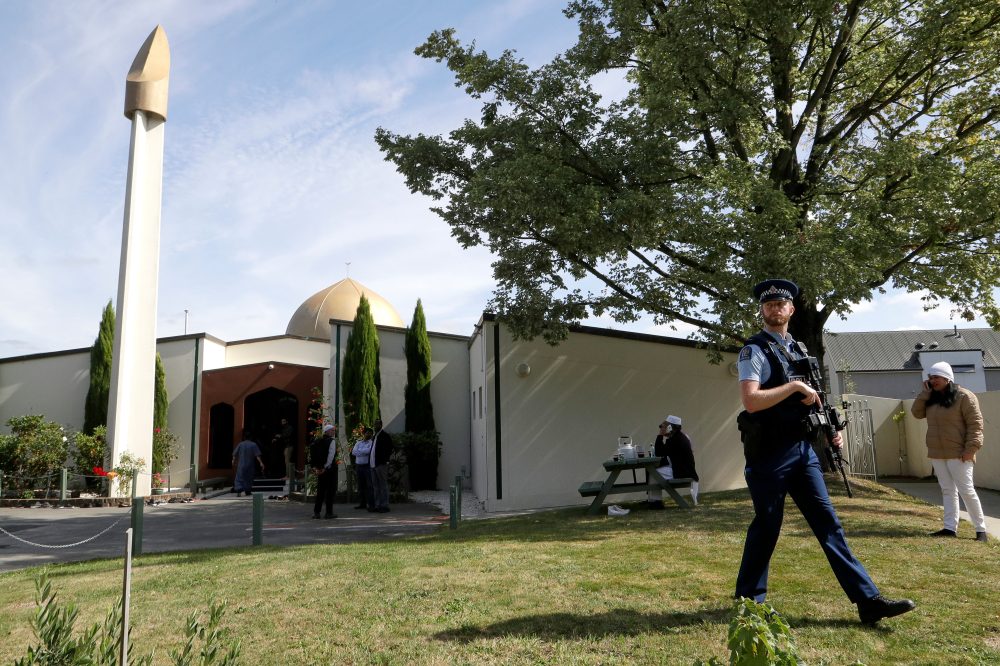

WELLINGTON, New Zealand — A three-judge panel in New Zealand’s Court of Appeal has denied an attempt by the Christchurch mosque shooter to withdraw his admissions of guilt for the 2019 terrorist attack that claimed 51 lives.
Brenton Tarrant, the Australian white supremacist now 35 years old, had argued that severe prison conditions compromised his mental state when he entered guilty pleas to terrorism, murder, and attempted murder charges. The March 2019 massacre occurred when Tarrant traveled to two Christchurch mosques during Friday prayers and unleashed gunfire with semi-automatic rifles, killing 51 worshippers and wounding dozens more.
When Tarrant entered his guilty pleas in March 2020, it provided comfort to grieving families and attack survivors who had been anxious about enduring a prolonged trial where the gunman might promote his extremist ideology. The rejection of his appeal — filed 505 days beyond the required deadline, as the court noted — has once again prevented such a trial from occurring.
During a five-day court proceeding in February, the attacker claimed his guilty pleas resulted from mental instability that temporarily caused him to reject his white supremacist beliefs. However, the judges determined his mental health assertions were contradictory and lacked backing from correctional officers, psychological experts, or his former legal counsel.
“He was not suffering from a mental impairment or any other form of mental incapacity which rendered him unable to voluntarily change his pleas to guilty,” the judges wrote. “He endeavoured to mislead us about his state of mind in a weak attempt to advance an appeal in circumstances where all other evidence demonstrated that he made an informed and totally rational decision to plead guilty.”
The court’s decision also disclosed that Tarrant attempted to withdraw his appeal following the February hearing. The judges denied this request as well, stating the matter was “of significant public interest and should be finally determined.”
The panel suggested Tarrant “began to form the opinion that the hearing was not proceeding in his favour, and as a result decided to file a notice of abandonment after the hearing concluded.” Under New Zealand law, judges are not obligated to permit an appellant to discontinue an appeal once proceedings have begun.
Tarrant, who has dismissed the attorneys who represented him in February, continues serving his sentence at Auckland Prison, where he received a life term without parole possibility in August 2020. The court permitted him to abandon his appeal of that sentence, which had been set for hearing in 2026.
The Australian native relocated to New Zealand in 2017 with intentions to carry out a mass shooting. He collected an arsenal of firearms and conducted surveillance of his intended targets before executing the attack.
The appellate judges noted that Tarrant had acknowledged the factual summary provided by police and the sentencing judge, emphasizing that evidence against him was “overwhelming.” This evidence included video footage the shooter recorded and broadcast live online, showing his face, along with a manifesto detailing his racist ideology that he published under his actual name prior to the attacks.