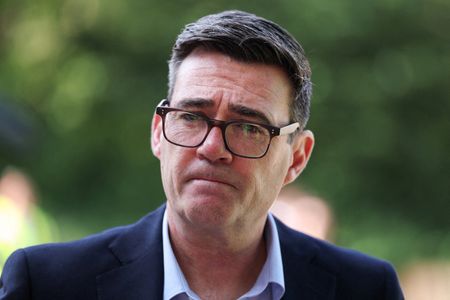

Britain’s new Prime Minister Andy Burnham made clear in his first major interview since taking office that he will prioritize his country’s interests above all else — including when it comes to dealing with U.S. President Donald Trump.
Burnham sat down with BBC journalist Laura Kuenssberg for an interview, portions of which were released Sunday. When she asked whether he was prepared to publicly challenge Trump if he believed it was the right thing to do, Burnham did not hesitate.
“All leaders have to do that. You have to defend your own national interest before anything else. That’s what you’re required to do if you’re to do this job properly,” he said.
Burnham stepped into the role of prime minister on Monday, becoming the seventh person to hold that office in Britain over the past ten years. He succeeded Keir Starmer, who announced last month that he was stepping down. Starmer’s time in office was marked by a difficult relationship with Trump, stemming from disagreements over the U.S.-Israeli war on Iran, immigration policy, energy, and technology regulation.
Trump had initially characterized Burnham as “extremely liberal,” but shifted his tone this week, saying the two had shared a “very good conversation” since Burnham took power.
During the BBC interview, Burnham also addressed the question of when the next national vote might take place, firmly shutting down any speculation about an early election.
“I’m going to rule it out. Yeah, there’s no early general election. I don’t think people want it,” he said.
On the topic of national defense, Burnham expressed strong support for Britain’s commitments to NATO allies, saying he was “absolutely committed” to what had been promised.
“The first challenge facing us both is to ensure that the defence investment plan is fully funded, and that’s the thing that’s right in front of us, and we need to work that through as we go towards the budget later this year,” he said.
The issue of defense spending carries particular weight given that Burnham’s newly appointed Chancellor, John Healey, previously resigned as defence minister in the prior government. Healey had stepped down after arguing that Britain’s safety depended on a commitment to spend three percent of its gross domestic product on defense by 2030.
When pressed on whether he would meet that three-percent target, Burnham acknowledged the challenge ahead.
“We’ve got to work out the way of doing that,” he said.
The complete interview is scheduled to air on the BBC’s Panorama programme on Monday.