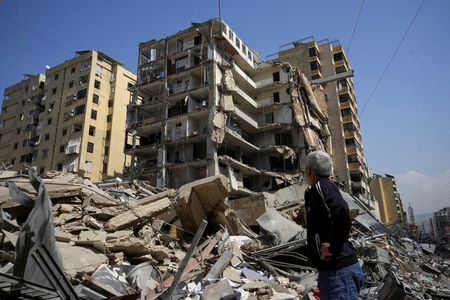

A comprehensive new study from the International Monetary Fund reveals that armed conflicts inflict severe and long-lasting economic damage on nations where battles occur, with economic production falling approximately 7% over five years and financial wounds persisting for more than ten years.
The research, published Wednesday, analyzed active conflicts worldwide – which have reached their highest levels since World War Two ended – and examined how dramatic increases in defense spending affect national economies. The analysis will be part of the IMF’s complete World Economic Outlook report scheduled for release next Tuesday.
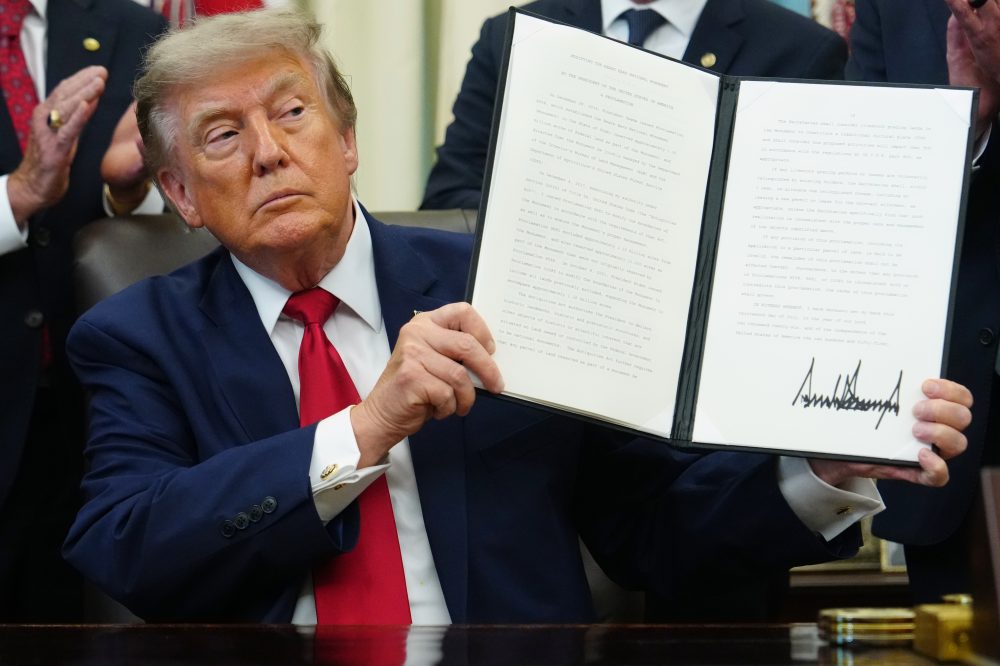
The study reviewed wartime economic data dating back to 1946 and military expenditure information from 164 nations, though it does not cover recent Middle East conflicts or the two-week ceasefire announced Tuesday by President Donald Trump.
According to the most recent available data from 2024, more than 35 nations experienced armed conflict within their borders, affecting approximately 45% of the global population living in conflict-affected countries.
“Beyond their devastating human toll, wars impose large and lasting economic costs, and pose difficult macroeconomic trade-offs, especially for those countries where the fighting is taking place,” the IMF stated in an accompanying blog post.
The research found that nations fighting wars on foreign soil can avoid physical destruction at home and minimize major economic losses, though neighboring countries and important trade partners still experience significant economic shocks.
“Output losses from conflicts persist even after a decade and typically exceed those associated with financial crises or severe natural disasters,” according to the IMF analysis.
IMF Managing Director Kristalina Georgieva told Reuters Monday that the organization plans to reduce its global growth projections and increase inflation forecasts due to the Iran war. World Bank President Ajay Banga echoed these concerns Tuesday, stating the conflict would cause slower growth and higher inflation regardless of how quickly it concludes.
The study found that warfare contributes to sustained currency devaluation, depletion of financial reserves, and rising inflation as growing external imbalances worsen economic stress.
Rising global tensions and more frequent conflicts have triggered substantial increases in military spending, with approximately half of all countries boosting their defense budgets over the past five years. Additional increases are expected as NATO members work toward spending 5% of their GDP on weapons by 2035.
The IMF discovered that arms sales from the world’s largest weapons manufacturers – predominantly U.S.-based companies – have doubled in real terms over the past twenty years.
Researchers identified that major defense spending increases have become more common, particularly in emerging-market and developing nations. These spending surges typically last about 2.5 years and see military expenditures jump by roughly 2.7% of GDP.
Approximately two-thirds of these military buildups were funded through increased government deficits, which could stimulate economic activity in the medium term but also drive up inflation and create future challenges. The IMF emphasized that such buildups require careful coordination with monetary policy.
Government budget deficits typically worsen by about 2.6 percentage points of GDP, while public debt increases by approximately 7 percentage points within three years of beginning a military buildup.
About one-quarter of these buildups were funded by shifting spending priorities, often resulting in sharp cuts to government social programs, explained IMF economist Andresa Lagerborg in a recorded discussion about the research.
The study also found that economic benefits were smaller when weapons were purchased from foreign suppliers. The IMF suggested that focusing on public investment in equipment and infrastructure would expand market size, support economies of scale, and strengthen industrial capacity while reducing dependence on overseas suppliers.
IMF economist Hippolyte Balima, a key author of the research, noted that the data demonstrates peace remains fragile, with about 40% of countries returning to conflict within five years.
Balima emphasized that early steps to stabilize economies, restructure debt, secure international support, and implement domestic reforms are essential for establishing strong recoveries.