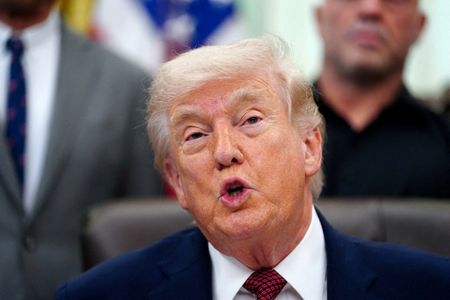

A new national survey reveals that most Americans believe President Donald Trump has failed to provide clear justification for the ongoing military conflict with Iran, according to Reuters/Ipsos polling data released this week.
The nationwide poll, which wrapped up on Monday, found that 66% of respondents feel Trump has not adequately outlined the objectives behind U.S. military engagement in Iran. This sentiment crosses party lines, with roughly one-third of Republican voters and nearly all Democratic voters expressing this view.
The military action commenced on February 28 with coordinated U.S.-Israeli airstrikes and has now stretched beyond two months. While recent weeks have seen decreased hostilities as both nations have proposed potential peace agreements, the conflict has significantly impacted American consumers at the gas pump.
Fuel costs have surged approximately 50% nationwide as Iran successfully blocked the Strait of Hormuz, cutting off one-fifth of global oil supplies. Despite U.S. naval efforts to reopen this crucial shipping lane for oil tankers, Tehran maintains control over the waterway.
The economic impact on American families has been substantial. Survey results show 63% of households report that rising gasoline prices have negatively affected their personal finances, representing an increase from 55% when the same question was asked in mid-March.
Trump’s overall job performance rating has seen a modest uptick to 36%, climbing two points from his term-low of 34% recorded in late April polling. However, this figure remains below his 40% approval rating from before the Iranian conflict began. When Trump took office in January 2025 following his 2024 election victory on a platform promising to reduce costs for Americans, he enjoyed 47% approval.
Public opinion regarding responsibility for escalating fuel prices shows significant concern for the current administration. Three-quarters of those surveyed, including half of Republican respondents, believe Trump’s team bears considerable responsibility for the gas price surge. When asked to assign partisan blame, 65% pointed to Republicans while 27% blamed Democrats.
Looking ahead, four out of five Americans anticipate further increases at the pump. This expectation is already affecting summer plans, with roughly 30% of respondents indicating they may need to modify vacation arrangements if current prices persist. Many are considering trip cancellations or shorter travel distances.
The economic pressures could have significant political implications for Republicans, who currently hold slim majorities in both the House of Representatives and Senate heading into November’s midterm elections. Political analysts suggest the party’s chances of retaining control depend heavily on whether gasoline prices decline before voters head to the polls.
With no resolution visible between Washington and Tehran, the economic and political ramifications continue to unfold. The Reuters/Ipsos survey collected responses from 1,254 American adults through online polling methods, with results carrying a margin of error of three percentage points in either direction.