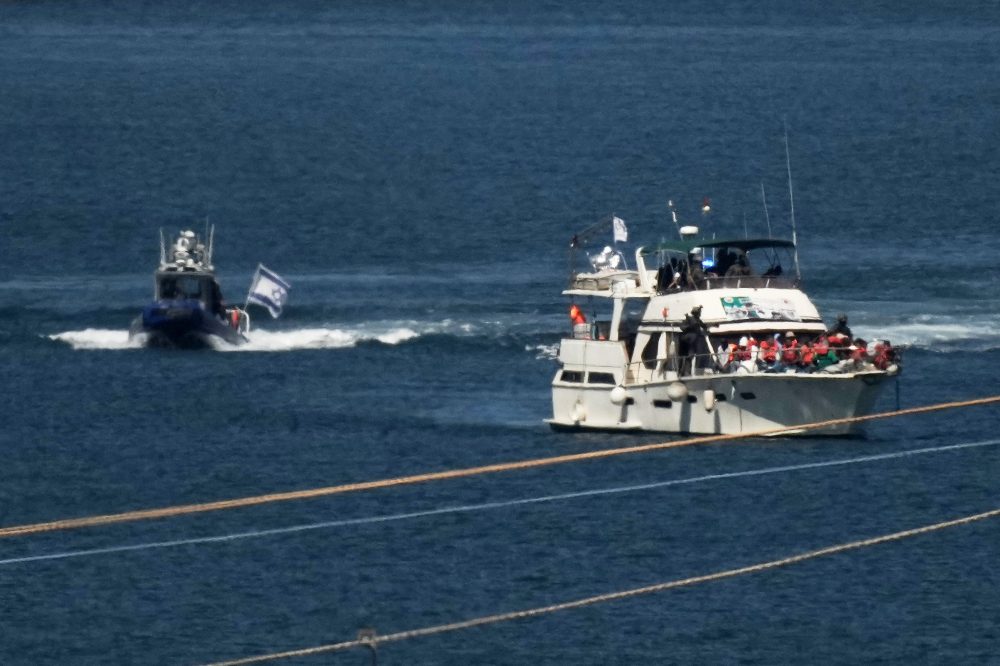

MARMARIS, Turkey — A fleet of more than 50 vessels carrying humanitarian aid and activists set sail Thursday from Turkey’s Mediterranean coastline, marking another effort to challenge Israel’s maritime blockade of Gaza following the recent interception of a similar convoy.
The departure from Marmaris port represents what organizers of the Global Sumud Flotilla called the concluding phase of their mission to reach Gaza’s coastline, with nearly 500 activists from 45 nations participating in the initiative.
The new attempt comes just weeks after Israeli military forces stopped more than 20 boats from an earlier flotilla near the southern Greek island of Crete on April 30, initially detaining approximately 175 activists. The confrontation sparked international criticism and diplomatic protests, while raising legal questions about blockade enforcement in international maritime zones. Israeli officials justified the early intervention by citing the substantial number of vessels involved.
Two activists from the April incident — Spanish-Swedish citizen of Palestinian origin Saif Abukeshek and Brazilian citizen Thiago Ávila — were taken to Israel for questioning and held for multiple days. The detained individuals alleged they suffered torture during their captivity. Both Brazil and Spain denounced Israel for what they termed the “kidnapping” of their nationals. The pair was expelled from Israel on Sunday.
According to organizers, the current mission includes vessels that regrouped following the earlier Israeli intervention, supplemented by additional boats that joined the effort.
The flotilla aims to spotlight the humanitarian situation facing Palestinians in Gaza, an area devastated by the ongoing Israel-Hamas conflict. Gaza’s Health Ministry reports that 72,744 Palestinians have died since the war erupted following the Hamas-led assault on southern Israel on Oct. 7, 2023, which resulted in approximately 1,200 deaths and 251 hostages taken. The ministry, operating under Hamas governance, keeps comprehensive casualty documentation that U.N. agencies and independent analysts consider generally credible, though it doesn’t distinguish between civilian and militant casualties.
A tenuous ceasefire that began six months ago has paused the most severe combat between Israeli troops and Hamas-led fighters. However, roughly 2 million Gaza inhabitants continue living amid destruction with inadequate food and medical supplies, receiving only restricted aid through one Israeli-monitored border crossing.
Both Israel and Egypt have maintained different levels of restrictions on Gaza since Hamas took control from opposing Palestinian factions in 2007. Israel justifies the blockade as necessary to stop Hamas from acquiring weapons, while opponents characterize it as collective punishment against Gaza’s civilian population.
Israeli authorities prevented a comparable effort last year involving approximately 50 boats and some 500 activists, including Swedish climate campaigner Greta Thunberg, Nelson Mandela’s grandson Mandla Mandela and multiple European lawmakers.
Israel detained and subsequently expelled those participants, who alleged mistreatment by Israeli authorities. Israeli officials rejected these claims.
Earlier attempts to breach the maritime restrictions have similarly been unsuccessful. In 2010, Israeli special forces boarded the Turkish vessel Mavi Marmara during an aid convoy’s Gaza mission, resulting in the deaths of nine Turkish nationals and one Turkish-American passenger. The most recent successful activist vessel to reach the territory occurred in 2008.