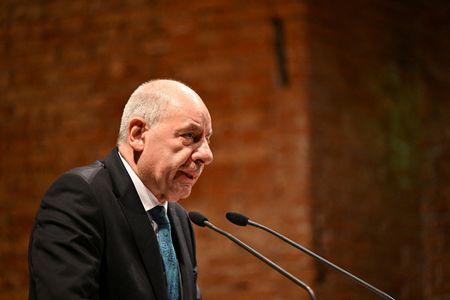

BUDAPEST — Hungarian President Tamas Sulyok put his signature on a constitutional amendment Saturday that brings his own tenure as head of state to an immediate end, according to a statement he released.
The measure was passed by Prime Minister Peter Magyar’s ruling Tisza party, which has been working to dismantle the political infrastructure built by former Prime Minister Viktor Orban. Magyar has said voters gave him a clear mandate to do exactly that after his party removed the right-wing leader in a sweeping April election victory.
The constitutional change ends Sulyok’s presidency right away, pointing to what it describes as a “serious loss of confidence” that society holds toward a leader who was originally elected in early 2024 by lawmakers loyal to Orban’s Fidesz party.
Sulyok, a former Constitutional Court judge, said he felt compelled to sign the legislation because it technically complied with existing law — but he made clear he believes the reform has done real damage to Hungary’s democratic foundations.
“The seventeenth amendment to the Constitution has marked a watershed in Hungary’s constitutional democracy,” Sulyok stated.
He added: “By removing public office holders in a manner that openly violates the rule of law … it sets a negative precedent that inflicts a deep wound on the constitutional values of democracy, the separation of powers, and the rule of law.”
The Tisza party holds a two-thirds supermajority in parliament, giving it the power to alter any law in the country. Parliament will now choose a new president, either until a new constitution takes effect or for up to five years.
The amendment goes further than just removing Sulyok. It also puts a 12-year cap on how long lawmakers can serve and sets a mandatory retirement age of 70 for Constitutional Court judges. That provision will force the court’s current president — considered an ally of Orban — Peter Polt, to step down.
Magyar had repeatedly demanded that Sulyok resign since taking power in April, accusing him of failing to represent the country’s interests and instead acting on behalf of Orban and his allies. Until now, Sulyok had refused to leave voluntarily.