
AMSTERDAM — The Netherlands has officially signed on to the Pax Silica initiative, a U.S.-backed alliance of allied nations aimed at coordinating AI-related supply chains, according to the Dutch foreign ministry, which made the announcement Tuesday.
The Netherlands joining Pax Silica represents a significant achievement for U.S. technology diplomacy, even as tensions remain between Washington and Amsterdam over export restrictions tied to Dutch chip equipment manufacturer ASML.
The announcement comes as Dutch Trade Minister Sjoerd Sjoerdsma traveled to Washington to push back against the proposed U.S. Match Act, a measure that would require allied nations to fall in line with American export controls targeting China.
Both the U.S. and the Netherlands have reached agreement on blocking ASML from shipping its most advanced chip-making tools to China — the kind used to produce circuitry for AI chips. However, the two governments remain divided on whether ASML should be permitted to sell and provide maintenance for certain older, less-advanced equipment to Chinese buyers.
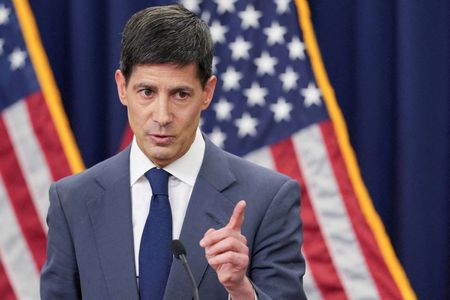
Sjoerdsma and Jacob Helberg, the U.S. undersecretary of state for economic affairs who oversees the Pax Silica initiative, are expected to present the agreement as a step forward for both trade and economic security. The European Union is anticipated to formally join the alliance at some point in the future.
South Korea and Japan have already become members of Pax Silica. Taiwan, which is home to chipmaker TSMC, has expressed support for the group but has not signed on as a full member.