
The Himalayan nation of Nepal is gearing up for a pivotal national election scheduled for March 5, marking the country’s first vote since massive anti-corruption demonstrations led by young people forced the resignation of former Prime Minister K.P. Sharma Oli’s administration in September.
Approximately 19 million citizens out of Nepal’s total population of 30 million are registered to participate in the upcoming election for the 275-seat national assembly. Following last year’s widespread protests that resulted in 77 deaths and over 2,000 injuries, election officials added roughly one million new voters to the rolls, with young people making up the majority of these fresh registrations.
The electoral system will fill 165 positions through direct competition where candidates receiving the highest vote totals will claim victory, while the remaining seats will be distributed using proportional representation based on each party’s overall vote percentage. Election officials report that 65 different political organizations have registered to participate in the contest.
Beyond addressing government corruption, economic concerns dominate the campaign agenda, particularly job creation in a nation where approximately 20 percent of residents live below the poverty line and youth unemployment remains persistently high, according to political observers.
The landlocked country’s relationships with neighboring giants India and China will significantly influence the election outcome as Nepal seeks to maintain diplomatic balance between these regional powers. India currently handles two-thirds of Nepal’s international commerce, while China manages 14 percent and has provided loans exceeding $130 million to the impoverished nation, World Bank data shows.
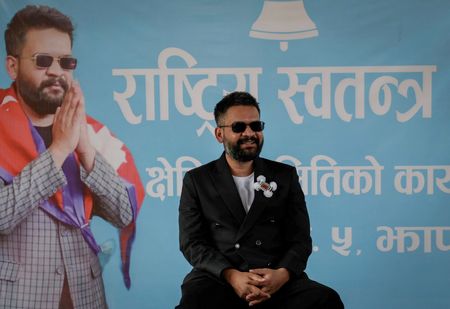
Leading the race for prime minister is 35-year-old Balendra Shah, a former rapper turned politician who previously served as Kathmandu’s mayor and represents the moderate Rastriya Swatantra Party. His main challenger in the Jhapa 5 district is 74-year-old Oli from the Communist Party of Nepal (Unified Marxist–Leninist), who has held the prime minister position four times and seeks to return despite struggling to reconnect with younger voters who removed him from power just six months earlier.
Additional candidates include 49-year-old Gagan Thapa from the centrist Nepali Congress party and 71-year-old Pushpa Kamal Dahal, who has served as prime minister three times and currently heads the Nepali Communist Party. Oli has maintained liberal communist positions since the 1990s, while Dahal previously commanded a violent Maoist rebellion for ten years before transitioning to conventional politics in 2006.