
INDIANAPOLIS — College sports officials announced Wednesday they are examining a potential shift to age-based eligibility requirements that would provide Division I athletes with a five-year competition window beginning right after they complete high school or reach age 19, whichever occurs earlier.
During meetings that wrapped up Wednesday, the Division I Cabinet reviewed this possibility but stopped short of adopting an official stance. Cabinet members endorsed having NCAA personnel continue exploring the concept with various stakeholders to collect input.
According to the Cabinet, this new framework would incorporate potential exemptions for situations including pregnancy, military duty, and religious missions.
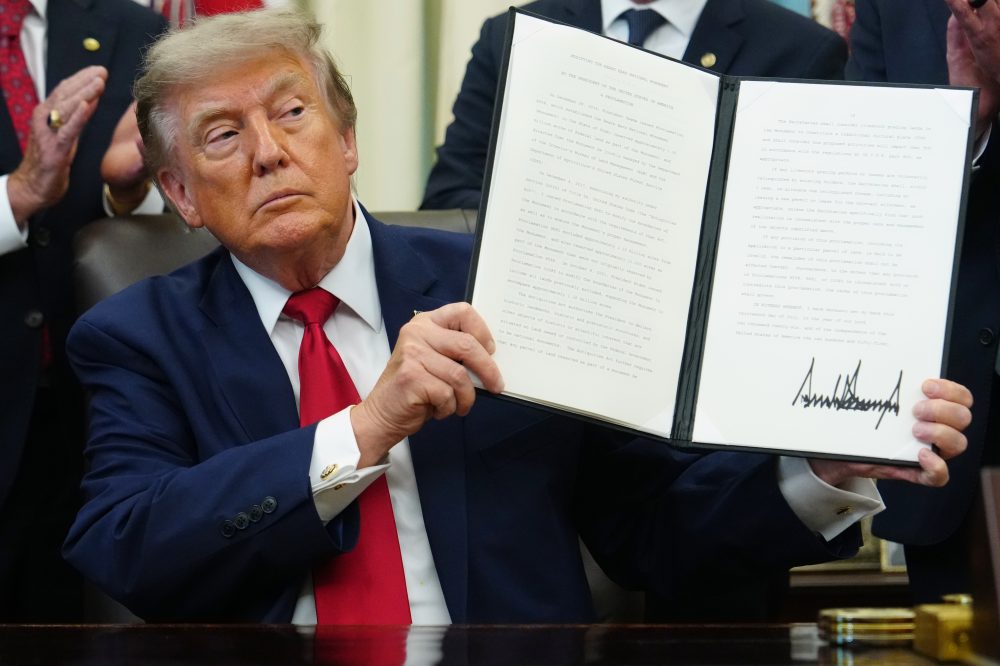
This age-focused approach mirrors a concept featured in an executive order that President Donald Trump signed on April 3.
Under present regulations, student-athletes typically receive four seasons of eligibility spread across five years without any age limitations.
The consideration of age-based requirements follows multiple legal challenges by athletes seeking to extend their collegiate careers and earning opportunities through revenue sharing and name, image and likeness agreements.
At the same meetings, Cabinet members approved modifications to pre-enrollment eligibility standards, including a provision that would prevent athletes who have participated in and stayed in professional sports drafts from competing collegiately.
Among these regulations is a requirement for prospects to remove themselves from opt-in professional league drafts, such as the NBA draft, aligning pre-college enrollment draft policies with post-college enrollment draft policies. Men’s ice hockey and baseball would remain unaffected since athletes don’t opt into those sports’ drafts.
This modification followed the cases of two basketball players, Alabama’s Charles Bediako and Baylor’s James Nnaji, who competed collegiately this season despite having entered the 2023 NBA draft.
Bediako competed for two seasons at Alabama before declaring for the draft. Though undrafted, he spent three years in the G League, the NBA’s developmental league. He appeared in five games this past season before the Alabama Supreme Court confirmed a ruling declaring him ineligible.
Nnaji was chosen by the Detroit Pistons in the second round. Following professional play overseas, he enrolled as a freshman at Baylor in December. He received eligibility approval because he had never executed an NBA contract or competed in the G League. Under the new regulations, he would be ineligible for the 2026-27 season.
Additional changes permit athletes to work with agents before enrollment for purposes beyond name, image and likeness deals and allow them to receive prize money in their sports without affecting eligibility status.