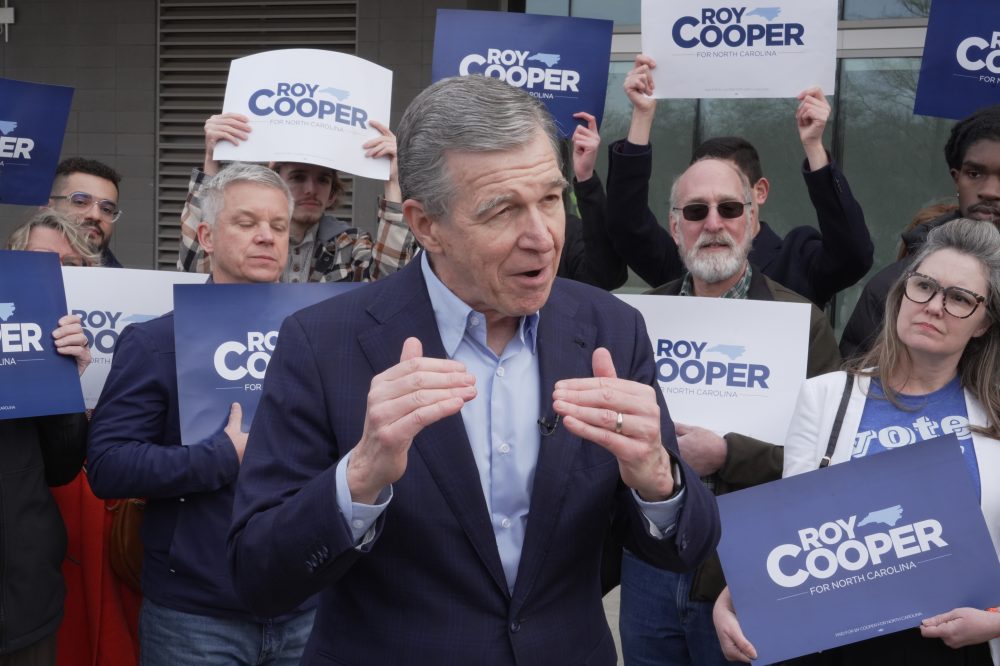

RALEIGH, N.C. — Tuesday’s primary elections in North Carolina will officially launch what’s expected to become one of America’s most watched Senate battles, setting up a likely showdown between ex-Democratic Governor Roy Cooper and former Republican National Committee Chair Michael Whatley.
Both candidates lead their respective party fields and are expected to secure their nominations when voting concludes. The primary ballot also features numerous other contests for House seats, state legislative positions, and judicial offices.
As one of three states beginning this year’s midterm election cycle alongside Texas and Arkansas, North Carolina represents a key battleground where Democrats have maintained the governor’s mansion even while voters supported President Donald Trump. The primary takes place amid ongoing tensions from the U.S. and Israeli military action against Iran.
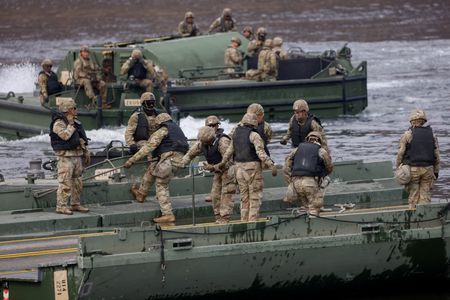
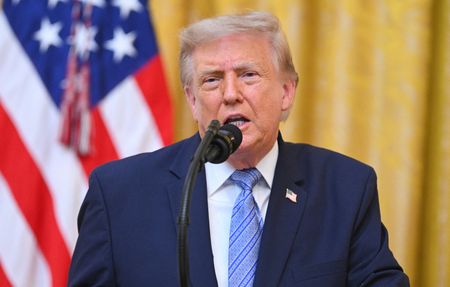
The conflict, which started over the weekend, has resulted in at least six American military deaths, escalated into broader regional warfare as Iran struck back, and caused oil and gas prices to spike. Trump, who ran on “America First” isolationist principles and initiated military action without congressional approval, now faces growing scrutiny about the war’s justification and how it will end.
This North Carolina Senate contest could prove decisive in determining Senate control, with Republicans currently holding the majority. The position became available after Sen. Thom Tillis chose retirement following disputes with President Trump. Political analysts predict a flood of outside spending could make this the costliest Senate campaign in American history, potentially hitting $1 billion.
Democrats view Cooper, who completed two gubernatorial terms and enjoyed decades of statewide political success, as their strongest candidate for victory. To regain Senate control, Democrats must flip four seats, with strategists identifying North Carolina, Maine, Alaska, and Ohio as their most promising targets.
Cooper competes against five lesser-known Democratic challengers on Tuesday. The Republican Senate primary also includes Navy veteran Don Brown and Michele Morrow, who ran as the GOP’s 2024 state education superintendent candidate.
Cooper jumped into the race shortly after Tillis announced his retirement plans last summer, with Whatley following suit. Whatley received Trump’s endorsement after the president’s daughter-in-law Lara Trump chose not to run. Both candidates have spent months campaigning primarily against each other rather than focusing on primary opponents.
Whatley pledges to advance Trump’s legislative priorities if elected, describing an agenda that reduced taxes and government spending while strengthening America’s military capabilities.
“It’s very important for us to have a conservative champion and for President Trump to have an ally in the Senate,” he said while voting early in Gastonia. “We’re going to be fighting for every family and every community in North Carolina.”
Some primary voters believe Congress needs Democratic leadership to balance Trump and policies they view as harmful.
“I think we need to send a message. And I think the more Democrats that show up, and the more independents that show up for this midterm election, and the more seats we can take from the Republicans, the more he might get the message,” said Lisa Frucht, 67, said as she cast a ballot for Cooper at an early voting site north of Raleigh.
Republican voter Gary Grimes, who selected Whatley, suggested Democratic congressional control would trigger additional unsuccessful impeachment attempts against Trump.
“It’ll be a repeat of what they did to Trump in the first term,” said Grimes, 71, “And they can’t see anything except getting Trump, at any cost.”
No Democrat has captured a North Carolina Senate seat since 2008. Cooper, 68, maintains an undefeated record in North Carolina elections dating to his initial state House campaign in the mid-1980s, including 16 years as attorney general and eight years as governor through 2024.
Whatley, 57, previously served in President George W. Bush’s administration, worked for former North Carolina Senator Elizabeth Dole, and operated as an energy industry lobbyist.
Cooper and his supporters have focused their campaign criticism on Whatley’s loyalty to Trump and his policy positions, arguing he supports increased tariffs and Medicaid cuts while bearing responsibility for delayed Hurricane Helene recovery assistance.
Speaking to reporters after voting in Raleigh recently, Cooper said he wants to “make sure that I’m a strong, independent senator who can work with this president when I can, stand up to him when I need to and recognize that people are struggling right now.”
Whatley, Trump, and fellow Republicans have attacked Cooper’s criminal justice record, claiming he implemented lenient crime policies during his gubernatorial tenure. They have repeatedly referenced last August’s fatal stabbing of Ukrainian refugee Iryna Zarutska on a Charlotte light-rail system. Trump acknowledged Zarutska’s mother as a guest at last week’s State of the Union address.
Cooper recently told reporters that his career centers on “prosecuting violent criminals and keeping thousands of them behind bars.”
Tuesday’s elections also feature primary contests in all North Carolina House districts except one. These include a five-way Republican primary in the northeastern 1st Congressional District, currently held by Democratic Representative Don Davis, who ran unopposed in his primary.
The Republican-led General Assembly redrew the 1st District last fall to create more conservative-leaning boundaries, part of Trump’s nationwide redistricting effort before the 2026 elections to maintain House control. Davis won his 2024 race by fewer than 2 percentage points.