
SALT LAKE CITY — The widow and parents of conservative activist Charlie Kirk are expected to be present in a Utah courtroom this week as prosecutors begin laying out their case for why the man accused of killing Kirk should face a murder trial.
The preliminary hearing, which runs five days beginning Monday, marks the first time Kirk’s family members will be in the same courtroom as the defendant, Tyler Robinson. The proceedings will be available via livestream.
Robinson surrendered to authorities following the shooting. According to prosecutors, he also sent a text message to his romantic partner confessing to the act and left behind a written note stating he had an opportunity to kill one of the country’s top conservative voices “and I’m going to take it.”
Robinson has not yet entered a plea in the case. His attorneys have declined to comment on whether he is guilty or innocent.
Robinson, 23, faces a charge of aggravated murder in connection with the September 10 killing of Kirk, who was speaking before a crowd of thousands at Utah Valley University. Prosecutors are seeking the death penalty.
In the months leading up to this hearing, legal disputes focused mainly on media access to the proceedings. Now the focus shifts to two key questions: whether sufficient evidence exists to take the case to trial, and whether the death penalty is appropriate. Paul Cassell, a law professor at the University of Utah and former federal judge, said the publicly available evidence already points to a strong prosecution.
“This seems like the proverbial slam dunk at this stage of the case, where the only issue is whether there is a sound basis for moving forward with a trial on the merits,” Cassell said, adding that the evidence made public so far suggests prosecutors have “an overwhelming case.”
Under Utah law, a death sentence is only possible when a crime involves aggravating circumstances. Prosecutors plan to argue that the shooting put other people in the crowd at risk, which would satisfy that requirement.
The hearing is expected to resemble a condensed version of a trial. Prosecutors intend to present DNA evidence connecting Robinson to the suspected murder weapon, testimony from investigators, autopsy results, statements from witnesses, and video footage of the killing. They are not obligated to present their entire body of evidence and may rely on secondhand accounts, known legally as hearsay.
Once the hearing wraps up, state District Judge Tony Graf will decide whether the case moves forward to trial.
Graf previously denied a defense request to limit public and media access, meaning reporters and members of the public will be permitted in the courtroom.
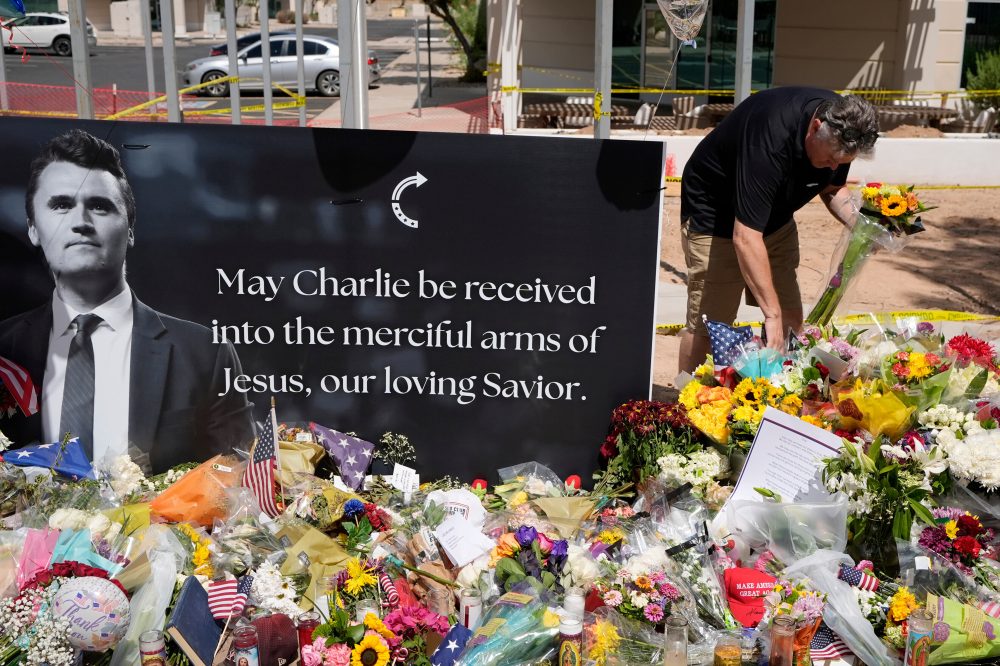
Kirk’s death sparked strong reactions from his Republican allies, including President Donald Trump, who first announced Robinson’s arrest during a September 12 interview on Fox News and stated, “I hope he gets the death penalty.”
During this week’s hearing, prosecutors only need to show there are reasonable grounds to believe Robinson committed the killing — a lower bar than the “beyond a reasonable doubt” standard required at trial.
Investigators say DNA matching Robinson’s profile was found on the trigger of the rifle used in the killing, as well as on the fired cartridge casing, two unfired cartridges, and a towel that had been used to wrap the weapon.
After authorities released a surveillance photo of the suspect along with details about the rifle, Robinson’s parents confronted him. They persuaded him to meet with a family acquaintance — a retired sheriff’s deputy — who reportedly helped arrange his surrender to authorities.
Prosecutors say Robinson left a note for his roommate, who was also his romantic partner, reading, “I had the opportunity to take out Charlie Kirk and I’m going to take it.” He also reportedly sent a text message about Kirk saying, “I had enough of his hatred. Some hate can’t be negotiated out.”
Defense attorneys attempted to block prosecutors from using recorded statements from Robinson’s roommate during the hearing, arguing Robinson should have the right to challenge the witness in person. Judge Graf ruled that the time for challenging witnesses would come at a later stage. The defense effort was unsuccessful.
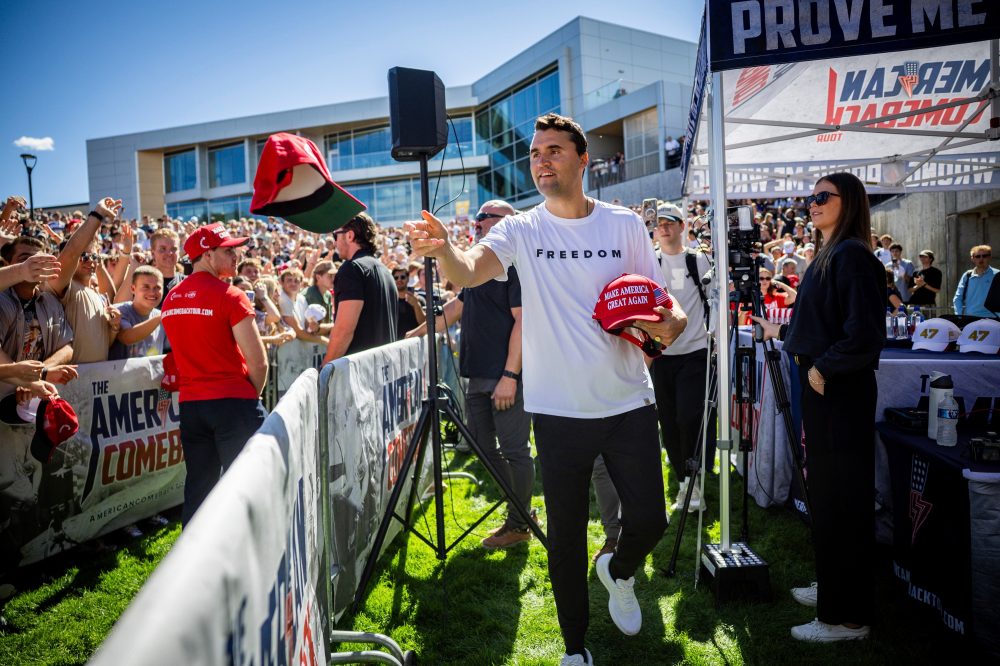
Before his death, Kirk and the organization he co-founded, Turning Point USA, played a significant role in energizing conservative young voters during the campaign that led to Trump’s second term.
Kirk’s widow, Erika Kirk, took over leadership of the organization following his death. She had previously pushed back against defense efforts to ban cameras from the courtroom, advocating for public access to the proceedings. At her husband’s memorial service, she publicly forgave Robinson.
Erika Kirk is expected to be present in court throughout the week, along with Kirk’s parents, Robert and Kathryn Kirk, according to a source familiar with the situation who requested anonymity because they were not authorized to speak publicly.