
A leading cinema industry organization is raising concerns about a massive Hollywood merger, warning it could hurt moviegoers and theater businesses nationwide.
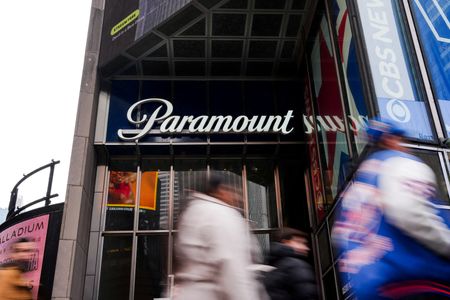
The head of Cinema United spoke out Tuesday against the planned $110 billion acquisition of Warner Bros Discovery by David Ellison’s Paramount Skydance. The deal was finalized in March after streaming giant Netflix withdrew from the bidding process.
Speaking to thousands of movie theater operators gathered at the CinemaCon convention in Las Vegas, Cinema United President and CEO Michael O’Leary expressed strong opposition to combining these entertainment powerhouses.
“We believe this transaction will be harmful to exhibition, consumers and the entire entertainment ecosystem,” O’Leary told the industry gathering.
The proposed merger would unite Warner Bros, the studio responsible for beloved franchises like “Harry Potter” and “Superman,” with Paramount Pictures, which produces the “Mission: Impossible,” “Star Trek” and “Top Gun” series.
Theater operators fear this consolidation will lead to reduced competition and ultimately fewer movie releases for cinemas. While Ellison has promised the merged company will distribute 30 films annually to theaters, industry veterans remain doubtful.
O’Leary pointed to Disney’s 2019 acquisition of Fox’s film division as evidence of their concerns. Before that merger, both studios combined released 26 new movies to over 2,000 theaters across the United States and Canada. Following the consolidation, that number dropped to just 14 wide releases last year.
“Unfortunately, history shows us that consolidation results in fewer films being produced for movie theaters,” O’Leary stated.
The cinema executive also warned that the merger could impact movie release schedules and the exclusive theatrical “windows” that give theaters first access to new films before they move to streaming platforms.
“Further concentrating marketplace power in the hands of a smaller group of distributors that dictate the terms, windows, scheduling, screen placement of movies, and access to historic film catalogs will have a real and lasting impact on Main Street and millions of movie fans around the world,” O’Leary explained.
Cinema United plans to continue pushing federal, state and international regulatory agencies to prevent the deal from moving forward.
Paramount representatives have not yet responded to requests for comment on the theater industry’s opposition. Ellison has previously stated that both studio operations would remain separate after the merger, potentially preserving or even creating additional jobs.
The theater industry isn’t alone in its opposition. More than 1,000 Hollywood actors and filmmakers have also signed a letter this week expressing their concerns about the proposed merger.
Paramount is scheduled to showcase its upcoming movie slate to theater owners at the CinemaCon event on Thursday.