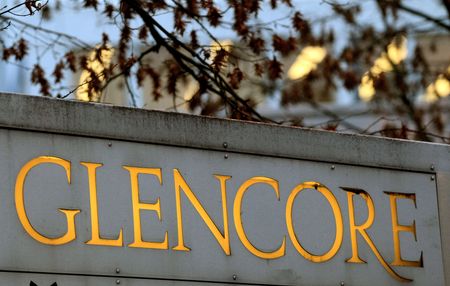

The head of mining giant Glencore remains optimistic about rekindling merger discussions with Rio Tinto, banking on rising coal prices to strengthen his company’s negotiating position, according to three investors who met with executives from both firms in Australia this week.
Gary Nagle, Glencore’s chief executive, believes recent market shifts could pave the way for renewed talks aimed at forming what would become the world’s largest mining operation, the investors revealed in private discussions.
The two mining powerhouses had been negotiating earlier this year to create a massive $240 billion enterprise that would combine Glencore’s marketing operations and copper holdings with Rio Tinto’s mining expertise to meet surging demand for copper.
Those negotiations collapsed in February when the companies couldn’t agree on valuation terms. British regulations now prevent Rio Tinto from restarting discussions with Glencore for six months.
Despite the setback, Nagle expressed confidence about future opportunities to strike a deal, according to the three investors who requested anonymity due to the sensitive nature of the conversations.
“This is definitely not going away, unfortunately,” commented one investor who opposes the potential merger.
Both Glencore and Rio Tinto refused to provide comment when contacted.
Rio Tinto CEO Simon Trott had explained the breakdown during a February media briefing, stating: “Ultimately we formed the view that we couldn’t stand up a value case, and that’s where it stands.”
Market performance has shifted in Glencore’s favor since the talks ended. The Switzerland-based commodity trading and mining company’s stock has outpaced Rio Tinto’s this year, potentially giving Glencore grounds to demand a larger portion of any merged entity.
According to the sources, Glencore took issue with Rio Tinto’s valuation method, which relied on commodity spot prices from January 7 – the day before merger talks became public knowledge.
Nagle argued for incorporating future price projections rather than relying solely on that snapshot, the investors reported.
Market movements since January 7 have favored Glencore significantly. Coal prices and Glencore shares have surged 26%, while Rio Tinto’s stock has gained only 9% as declining iron ore prices limited its growth.
These shifts have increased Glencore’s share of the combined market value to approximately 35% from the previous 31.5%, moving closer to the 40% stake Glencore had sought in the rejected proposal.
Glencore expects Rio Tinto’s core iron ore business to face challenges as the market moves toward oversupply, sources indicated. Nagle believes this trend will continue shifting the companies’ relative values, making a future deal more feasible.
Some Australian investors questioned the logic of Rio Tinto reacquiring coal assets after previously selling them to enhance its environmental profile. Nagle reportedly told investors that Australia lagged behind Europe, where environmental concerns about coal were “no longer an issue,” according to one source.
While valuation remained the primary obstacle, five Australian investment funds sent a joint letter to Rio Tinto’s board on January 20 raising additional concerns about governance, particularly citing ongoing corruption investigations into Glencore’s business practices.
Glencore dismissed the Australian opposition as representing roughly 4% of total shareholders – a small but vocal minority.
However, sources emphasized that more than half of Rio Tinto’s profits originate from Australian operations, meaning any merger could significantly impact the country and would require government approval. Additionally, the deal would need support from 50% of Australian stock exchange shareholders present and voting, plus 75% of all votes cast.
One investor noted that Glencore had underestimated Australian resistance, though the company’s investor outreach efforts were showing results. This investor viewed Glencore as a viable investment if it listed on the Australian exchange but saw no meaningful operational benefits from the proposed merger.
Another investor suggested that short-term stock gains wouldn’t be enough to change Rio Tinto’s position. During January discussions, the companies disagreed on valuing Glencore’s undeveloped copper projects in Argentina.
“I don’t see how Rio can change their mind in six months just because coal has gone up and iron ore has gone down,” the investor concluded.