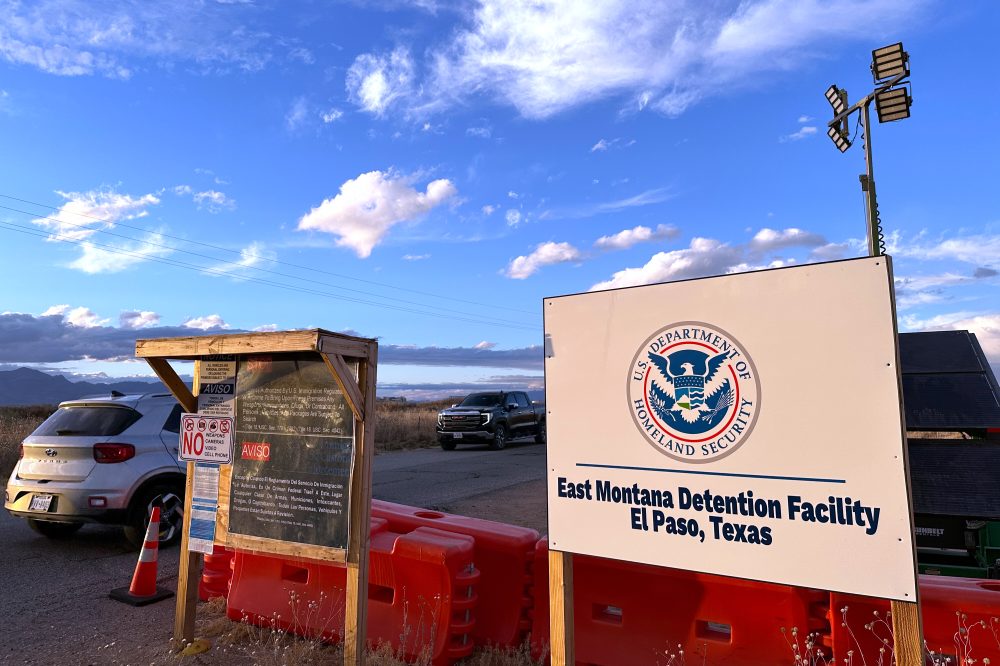

FORT HANCOCK, Texas — Congressional representatives revealed Thursday that military forces deployed laser technology to destroy a Customs and Border Protection surveillance drone, leading federal aviation officials to expand airspace restrictions near El Paso, Texas.
The reason behind the laser deployment remains unclear, marking the second such incident in the region over a two-week period.
The previous laser activation occurred near Fort Bliss, approximately 50 miles northwest, when CBP personnel fired the weapon without hitting any target. That earlier event forced the FAA to temporarily halt all air traffic at El Paso’s airport and surrounding airspace. Thursday’s incident resulted in a more limited closure that did not disrupt commercial aviation.
Congressman Rick Larsen, along with other senior Democrats on the House Transportation and Infrastructure committee, expressed shock upon learning of the most recent event.
“Our heads are exploding over the news,” the legislators stated collectively. They condemned the Trump administration for “sidestepping” bipartisan legislation designed to enhance drone operator training and strengthen coordination between the Pentagon, FAA, and Department of Homeland Security.
“Now, we’re seeing the result of its incompetence,” they declared.
Both the Defense and Transportation departments directed inquiries to the FAA, which issued a concise statement confirming the expanded airspace closure around Fort Hancock. Border Protection officials have not yet provided responses to media questions.
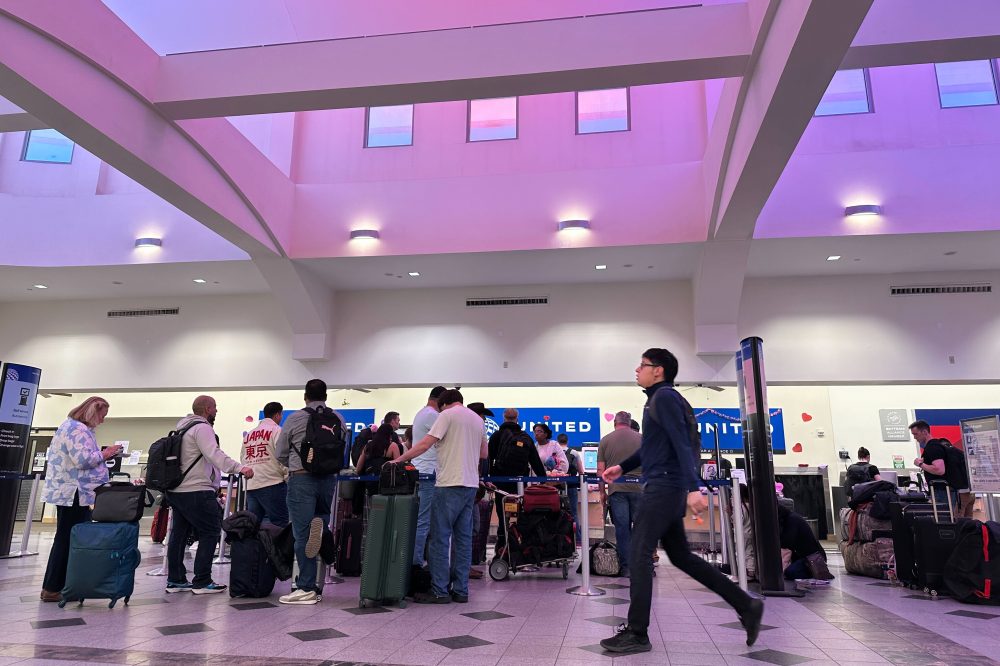
The El Paso airport shutdown two weeks earlier lasted several hours but caused significant concern and resulted in multiple flight cancellations in the border city of nearly 700,000 residents.
During that previous incident, CBP deployed anti-drone laser technology near Fort Bliss without coordinating with aviation authorities, prompting the FAA to close El Paso airspace as a safety precaution, according to sources with knowledge of the situation who were not authorized to speak publicly.
Following that event, congressional members characterized it as another instance of government dysfunction, with various agencies failing to maintain proper coordination.
Transportation Secretary Sean Duffy announced plans to brief Congress members this week regarding the incidents. Speaking at an unrelated press conference last Friday, Duffy defended the FAA’s decision to close El Paso airspace and dismissed suggestions that communication failures contributed to the problems.
The investigation into last year’s fatal midair collision near Washington, D.C., which killed 67 people when an airliner struck an Army helicopter, revealed ongoing coordination challenges between the FAA and Pentagon.
The National Transportation Safety Board determined that both the FAA and Army failed to share critical safety information about the concerning frequency of near-miss incidents around Reagan National Airport and did not adequately address associated risks.