
International stability hangs in the balance Monday following the U.S. military’s capture of an Iranian cargo vessel that attempted to breach an American naval blockade, with Tehran threatening swift retaliation for what it calls “armed piracy.”
The incident has cast serious doubt over whether a temporary ceasefire between Washington and Iran will survive past its Tuesday expiration date. Diplomatic efforts toward lasting regional stability have also suffered a major setback, as Iranian officials announced they will boycott a second round of peace negotiations the United States had planned to launch before the truce ends.
American forces currently enforce a naval blockade around Iranian ports, while Iran has repeatedly imposed and lifted restrictions on shipping through the strategically vital Strait of Hormuz, a waterway that normally carries approximately 20 percent of global oil shipments.
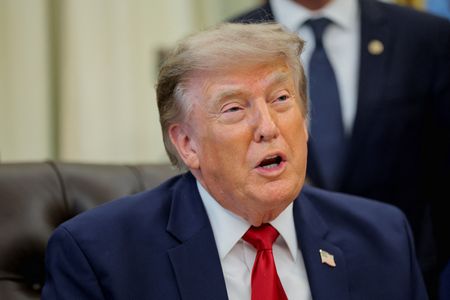
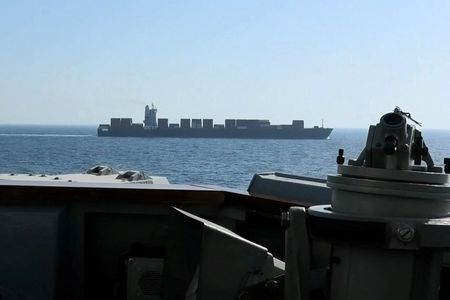
According to U.S. military officials, American forces opened fire Sunday on the Iranian-flagged vessel as it approached Iran’s Bandar Abbas port. “We have full custody of their ship, and are seeing what’s on board!” President Trump posted on social media platforms.
Iranian military sources confirmed the cargo ship had been traveling from China when intercepted. “We warn that the armed forces of the Islamic Republic of Iran will soon respond and retaliate against this armed piracy by the U.S. military,” a military spokesperson declared through state-controlled media outlets.
Global markets reacted sharply to the escalating crisis, with oil prices surging and stock exchanges showing volatility as investors considered the possibility of continued minimal Gulf shipping activity.
TEHRAN ABANDONS DIPLOMATIC EFFORTS
Iranian state television reported that government officials had declined to participate in renewed peace negotiations, pointing to the continuing naval blockade, aggressive language from Washington, and what they described as America’s inconsistent positions and “excessive demands.”
“One cannot restrict Iran’s oil exports while expecting free security for others,” Iran’s First Vice President Mohammadreza Aref posted on social media. “The choice is clear: either a free oil market for all, or the risk of significant costs for everyone.”
President Trump has escalated his rhetoric toward Iran, warning that American forces would target every bridge and power facility in the country should Tehran reject his proposed terms, following a recent pattern of such aggressive statements.
Iranian leadership has responded that any American assault on civilian infrastructure would trigger retaliatory strikes against power facilities and water treatment plants belonging to Gulf Arab nations allied with the United States.
DIPLOMATIC MISSION PROCEEDS DESPITE UNCERTAINTY
Trump announced that his diplomatic team would reach Islamabad Monday night, just 24 hours before the two-week ceasefire concludes.
A White House source confirmed to Reuters that Vice President JD Vance would lead the American delegation, having previously overseen initial peace discussions one week earlier. The team would also include Trump’s special envoy Steve Witkoff and son-in-law Jared Kushner. However, Trump later told ABC News and MS Now that Vance would not make the trip.
Pakistan, serving as the primary intermediary between the warring parties, appeared to be making preparations for the diplomatic meetings. Two massive U.S. C-17 transport aircraft touched down at a Pakistani air base Sunday afternoon, delivering security equipment and armored vehicles ahead of the American delegation’s expected arrival, according to two Pakistani security officials.
Islamabad city officials suspended public transportation and commercial truck traffic throughout the capital. Workers installed razor wire barriers near the Serena Hotel, the venue for last week’s negotiations. Hotel management ordered all current guests to vacate the premises.
The conflict has now entered its eighth week, creating what experts describe as the most devastating disruption to worldwide energy supplies in recorded history. Oil prices have skyrocketed due to the effective shutdown of the strait.
Casualty figures have reached into the thousands from combined U.S.-Israeli military operations targeting Iran and an Israeli ground invasion of Lebanon that began simultaneously when hostilities erupted on February 28. Iran has responded with missile and drone attacks against Israeli territory and neighboring Arab nations that provide bases for American military forces.
Mohammad Baqer Qalibaf, Iran’s parliament speaker who has represented Tehran in the negotiations, previously indicated that both sides had achieved some progress but remained significantly divided on nuclear weapons issues and control of the Strait of Hormuz.
European allies, who have faced repeated criticism from Trump for their limited participation in the military campaign, express concern that Washington’s negotiating approach prioritizes a rapid but superficial agreement that would necessitate months or years of complex technical discussions to implement.