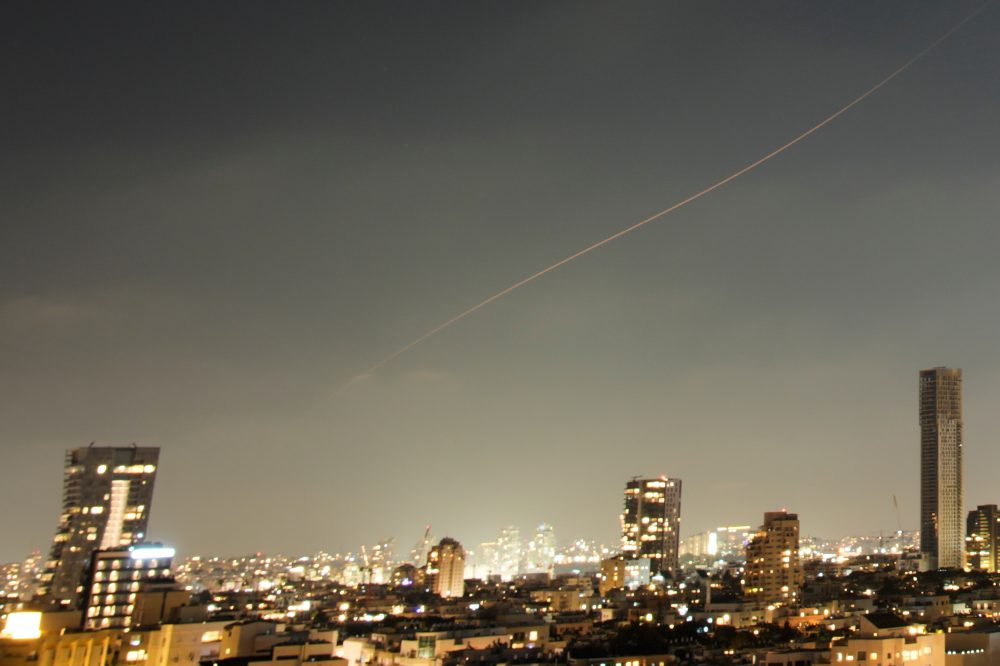

JERUSALEM (AP) — The Middle East finds itself on the brink of renewed warfare as Iran launched a missile attack against Israel late Sunday, marking the first bombardment of its kind in two months following a ceasefire agreement.
An April truce between Iran and other parties has failed to extend into Lebanon, where Israeli forces continue combat operations against Hezbollah militants backed by Iran. Israeli officials maintain they are protecting northern border communities from ongoing drone and rocket attacks launched by Hezbollah.
Iranian leadership views Israel’s ground offensive, involving thousands of soldiers, along with aerial bombardments in Lebanon as violations of ceasefire terms. Tehran maintains that any agreement with the United States must include an end to Lebanese hostilities. Israeli officials reject this position.
The following timeline outlines major developments:
Initial conflict erupted when the United States and Israel launched attacks against Iran, beginning the current war.
Hezbollah joined the fighting by launching rocket attacks against Israel, prompting Israeli counterstrikes.
Officials announced a temporary ceasefire in the Iran conflict, with ongoing negotiations planned. Israel was excluded from these discussions.
Israeli forces conducted intensive bombing of Lebanon’s capital city, Beirut, resulting in more than 300 deaths during a 10-minute assault.
Direct diplomatic discussions between Lebanon and Israel took place in Washington, representing their first such talks in decades.
A temporary ceasefire between Israel and Lebanon was declared, though Hezbollah was not involved in the agreement. Combat operations quickly resumed on both sides.
Israeli ground forces launched their deepest penetration into Lebanon in more than 25 years.
Israeli Prime Minister Benjamin Netanyahu issued warnings of strikes against Beirut unless Hezbollah ceased its attacks. U.S. President Donald Trump announced that Israel and Hezbollah had agreed to reduce fighting.
Israeli drone operations in Lebanon resulted in 11 fatalities.
Both Israel and Lebanon announced agreement to restore the temporary ceasefire and establish security areas excluding Hezbollah presence.
Hezbollah’s leadership refused the ceasefire terms and called for complete Israeli withdrawal from Lebanon.
Iran’s paramilitary Revolutionary Guard declared “there will be no calm in the region” unless Israel withdraws its forces.
Israeli air operations targeting southern Lebanon killed three Lebanese military personnel.
Hezbollah resumed attacks on Israel, prompting Israeli strikes on Beirut’s southern areas, followed by Iranian missile attacks on Israel.