
American producers of liquefied natural gas experienced a dramatic surge in Asian sales during April, as ongoing Middle Eastern conflicts disrupted regional supply chains and created new market opportunities for US exporters, according to shipping data released by financial analytics firm LSEG.
Asian destinations received approximately 25% of all American LNG shipments last month, representing a significant jump from levels seen before regional tensions escalated in late February. This increase highlights America’s expanding role as a flexible supplier during periods of global energy market stress.
The numbers tell a striking story of rapid growth. US deliveries to Asian markets climbed from roughly 970,000 metric tons in February to 1.99 million metric tons in March, then reached 2.71 million metric tons by April – an increase exceeding 175% since US and Israeli military actions against Iran began.
Energy pricing reflected the market tensions, with Asian spot LNG costs staying high throughout the period. The Japan Korea Marker benchmark reached an average of $17.92 per million British thermal units during April, declining slightly from March’s $18.27 but remaining about 17% higher than European prices. Europe’s TTF benchmark averaged $15.34 per mmBtu in April, dropping from $17.99 the previous month.
Despite the Asian export boom, America’s total LNG shipments actually decreased from March’s record levels, falling to 10.97 million metric tons in April compared to 11.7 million metric tons in March. This decline resulted primarily from April having fewer days than March, plus some cargo loading delays at terminals.
Natural gas flowing into US export facilities hit a new record of 18.8 billion cubic feet daily during April, surpassing February’s previous high of 18.7 billion cubic feet per day, LSEG reported.
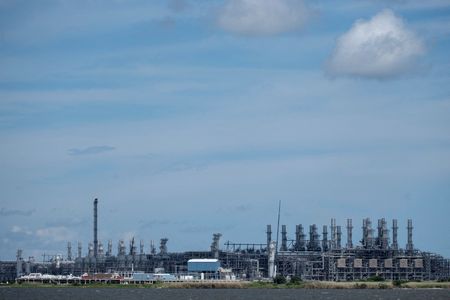
April marked a milestone for the Golden Pass terminal, which shipped its inaugural LNG cargo to Belgium. The facility – operated jointly by QatarEnergy and Exxon Mobil – processed nearly 300 million cubic feet of gas daily but managed only one export shipment, potentially explaining the gap between record gas intake and lower overall export volumes.
European markets continued dominating US LNG destinations, receiving 6.14 million metric tons representing just under 56% of April’s total exports. Egypt emerged as another significant buyer, importing approximately 710,000 metric tons of American LNG – exceeding the combined 500,000 metric tons sent to all Latin American countries.
In an unusual development, one shipment reached South Africa, a rarely-served destination for US LNG. Ship tracking revealed nine LNG vessels that departed American ports in April were still searching for buyers, including two anchored near the Suez Canal awaiting purchase agreements.