
Markets across Asia celebrated Thursday as stock indices climbed to unprecedented levels amid growing optimism about potential peace negotiations in the Middle East, though significant challenges remain unresolved.
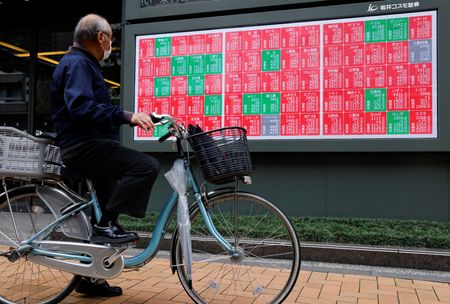
Japan’s Nikkei index made a dramatic return from an extended holiday break, surpassing 62,000 points for the first time ever. The surge helped Japanese markets catch up with an artificial intelligence-driven boom that has already pushed South Korean and Taiwan exchanges to record territory following strong corporate earnings reports.
The broader MSCI Asia-Pacific index, excluding Japan, gained 1% to reach another milestone high. This week alone, the benchmark has climbed 7%.
Kyle Rodda, a senior financial analyst with Capital.com, acknowledged the market enthusiasm while urging caution about the developments.
“But we’ve seen this story before, and the rug could get pulled out of the market pretty quickly too. Ultimately, if we keep seeing progress in talks, Asian markets will keep rallying,” Rodda explained.
Iranian officials confirmed they are examining a peace framework that, according to sources familiar with the matter, would officially conclude the military conflict. However, the proposal reportedly leaves major American demands unaddressed, including Iran’s nuclear activities and the reopening of the strategically vital Strait of Hormuz, whose blockade has contributed to soaring energy costs.
The war’s potential conclusion, which began in late February, triggered Wednesday’s dramatic 8% plunge in oil markets. By Thursday morning in Asia, Brent crude had recovered slightly to trade at $102.11 per barrel.
Despite recent declines, petroleum prices remain approximately 40% above pre-conflict levels, while 10-year Treasury bond yields have increased by roughly 40 basis points, highlighting the economic strain from elevated energy costs and inflationary pressures.
“Even if the strait reopens in coming weeks, oil is likely to stay elevated and slow to ease given damage to energy infrastructure and precautionary stockpiling,” OCBC analysts noted in their research.
Federal Reserve policymakers have expressed concern that the ongoing conflict increases risks of persistent inflation, citing sustained high oil prices and emerging global supply chain disruptions.
Currency markets reflected the shifting sentiment, with the euro maintaining overnight gains of about 0.5% to trade at $1.1747. The British pound reached $1.3591 following Wednesday’s 0.4% advance. The dollar index, tracking the American currency against six major counterparts, stood at 98.032.
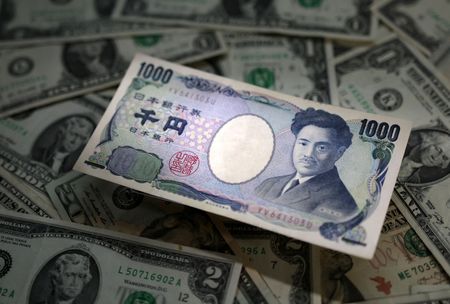
Japan’s yen continued attracting attention after recent volatile sessions sparked speculation about possible government intervention to support the struggling currency. The yen traded at 156.29 against the dollar with minimal daily change, after reaching a 10-week peak of 155 in the previous session during a sudden rally.
OCBC analysts questioned whether Japan’s Ministry of Finance will maintain its currency defense efforts or consider its intervention sufficient.
“Intervention alone is unlikely to shift the broader trend unless backed by stronger policy support like a more assertive BOJ hiking cycle or better alignment with external drivers such as lower oil prices and U.S. yields,” the analysts wrote, maintaining their year-end projection of 155.
Soaring energy prices had battered global markets in March, but a tentative ceasefire and peace negotiations have fueled a risk-positive rally since April, further boosted by impressive technology sector earnings.
American markets joined the celebration Wednesday evening, with both the S&P 500 and Nasdaq reaching record closing levels on strong corporate results. S&P 500 companies are positioned for their most robust profit expansion in over four years.
Market participants are now focused on Friday’s employment report, with economists surveyed by Reuters predicting 62,000 new jobs in April following March’s rebound of 178,000 positions.