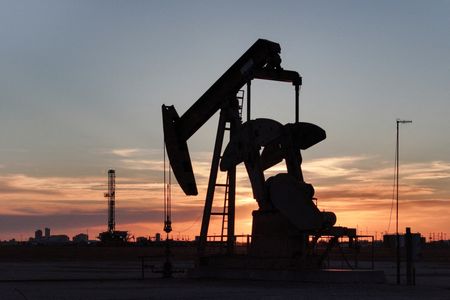

Ongoing tensions involving Iran have driven American Gulf Coast crude oil prices to their highest point in nearly four years, as Middle Eastern production disruptions force international buyers to seek U.S. alternatives.
Mars sour crude, a key oil variety extracted from Gulf of Mexico wells and popular with refineries worldwide, reached an $11 premium over the West Texas Intermediate benchmark on Friday, according to industry brokers. This represents the steepest price since April 2020 and marks a $4 jump from Thursday’s levels.
The dramatic increase becomes even more striking when compared to just one week earlier, when Mars crude commanded only a $1.50 premium.
Additional heavy oil varieties including Heavy Louisiana Sweet and West Texas Sour have similarly experienced price increases.
Global benchmark oil prices have climbed steadily following last week’s initial hostilities, with Brent crude closing Friday at $92.69 per barrel – the highest price point since October 2023.
The practical shutdown of the Strait of Hormuz has compelled multiple nations, including Iraq, to reduce their oil output. This strategic waterway serves as a crucial passage for medium and heavy crude from Persian Gulf nations, and those shipments have been largely halted. Kuwait’s announcement of additional production reductions on Friday further contributed to rising Mars prices, according to one trader.
“Refiners that rely on these grades will need to find similar, or roughly similar, alternatives to replace the lost barrels, so Mars and other U.S. Gulf sour heavies and mediums are natural substitutes and are getting bid up aggressively,” stated Matt Smith, Kpler’s lead Americas oil analyst. He noted that purchasers, particularly in Asia, are urgently seeking additional supplies of these medium and heavy crude varieties.
“This time of year also marks the shift from winter into driving season, when demand typically rises across all crude grades,” explained Tim Snyder, chief economist at Matador Economics. He emphasized that the supply disruption caused by warfare remains the primary price driver.
“In the short term we will continue to see these grades rise until we see the Strait of Hormuz open up,” Snyder predicted.