
RAMALLAH, West Bank (AP) — The fragile peace established in the Middle East following the October 7th attacks hangs by a thread, held together only by temporary ceasefires and ongoing threats between opposing forces.
While Iran has taken significant hits, the damage hasn’t been substantial enough to alter its stance in negotiations. The country’s regional partners, Hezbollah in Lebanon and Hamas in Gaza, remain weakened yet operational as Israeli forces continue conducting regular strikes against both organizations. Israeli Prime Minister Benjamin Netanyahu faces increasing pressure to convert battlefield successes into concrete political gains before this year’s elections.
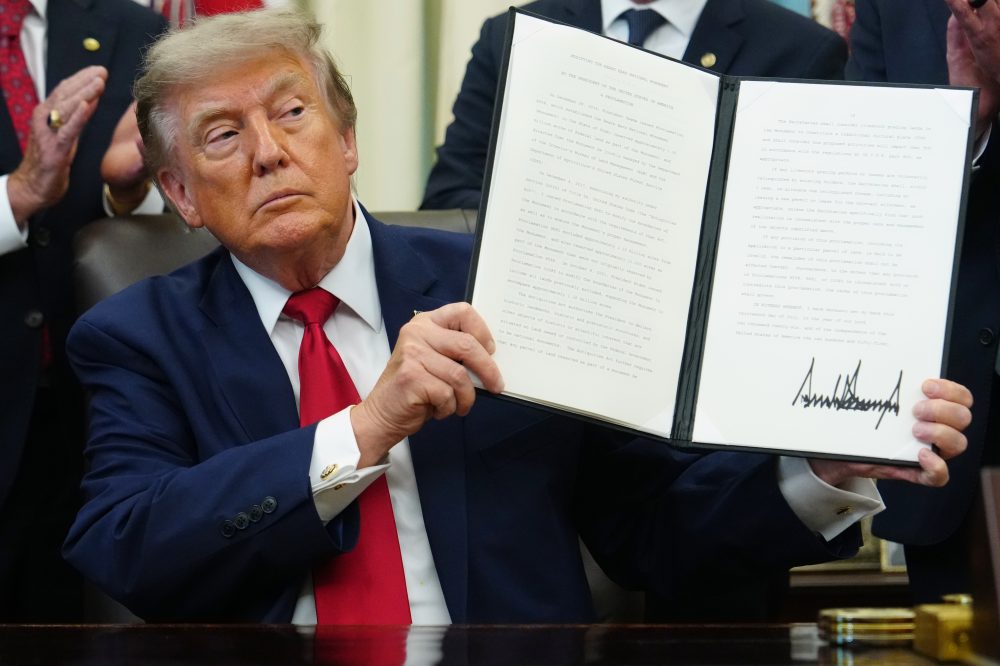
President Donald Trump, who frequently highlights his diplomatic capabilities, continues pursuing a nuclear agreement with Iran alongside broader Middle Eastern peace initiatives. However, negotiations have yielded no concrete outcomes, and both nations remain locked in an intensifying confrontation over the Strait of Hormuz.
While large-scale military campaigns have ceased, the fundamental issues that existed long before Hamas launched its October 7, 2023 assault remain unresolved. Millions continue living in displacement, with widespread concerns that hostilities could resume without warning.
According to Michael Ratney, former U.S. ambassador to Saudi Arabia, ceasefires “don’t fix anything — they just stop things from getting worse.” He explained, “It’s part of an answer to an immediate political problem, which is (Trump) needs to get out of war and can’t figure out how do that.”
Trump has spent recent weeks alternating between threatening devastating strikes on Iranian infrastructure — at one point warning he could destroy “a whole civilization” — and pursuing diplomatic solutions for Iran’s nuclear program and other longstanding disputes.
Earlier this week, the president extended an existing ceasefire while maintaining America’s naval blockade of Iranian ports. On Wednesday, he promised to target Iranian fast boats operating in the Strait of Hormuz, which Tehran has effectively sealed since fighting began, creating a global energy crisis.
Iran has shown no public willingness to compromise on its nuclear activities, ballistic missile development, or backing of regional allies. Iranian officials state the strait will remain blocked until America ends its blockade and Israel stops attacking Iran-supported groups including Hezbollah.
Both nations appear reluctant to engage in full-scale warfare, with new ceasefire discussions scheduled for Saturday in Pakistan.
Iranian leadership, based on their social media communications, appears convinced they can endure the blockade longer than Trump can tolerate rising fuel costs and an unpopular conflict, particularly with U.S. midterm elections approaching.
Jon Alterman, who chairs Global Security and Geostrategy at the Washington-based Center for Strategic and International Studies, noted Trump’s history suggests he favors generating media attention and declaring rapid victories.
“The most visible part of the fighting has stopped, but the less visible efforts are roaring ahead,” Alterman observed. “Ceasefires can seem comfortable but lock in unsustainable patterns, with one side feeling it has lost the urgency to resolve the underlying conflict.”
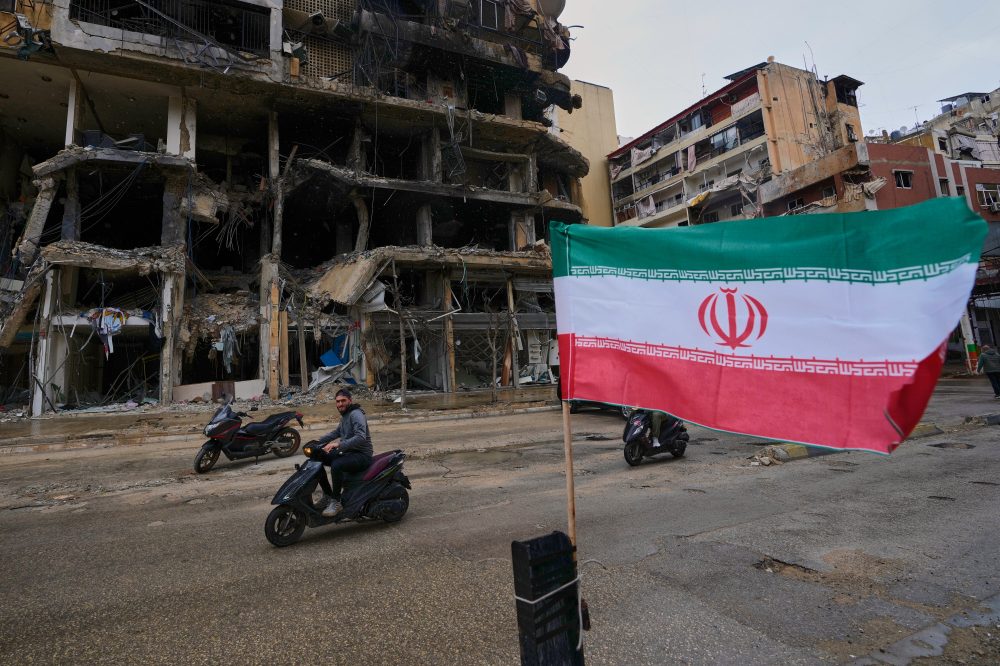
A Lebanese ceasefire established last week has generally held except in border regions where combat continues. Israel has signaled intentions to maintain control over portions of southern Lebanon indefinitely. Iran-backed Hezbollah, which isn’t formally bound by the ceasefire agreement, insists Israel must withdraw.
Following White House meetings between Israeli and Lebanese representatives, Trump announced a three-week ceasefire extension on Thursday.
American and Israeli officials have insisted Lebanon’s government must take responsibility for dismantling Hezbollah. Beirut attempted implementing portions of such a plan before the current fighting erupted. However, Lebanese leadership acknowledged their limited capabilities, and their efforts produced minimal results as Hezbollah maintained its capacity to launch thousands of missiles and drones toward northern Israel over recent months.
Given Beirut’s reluctance to risk civil conflict by directly confronting the militants — particularly while Israeli forces occupy Lebanese territory — the ceasefire provides temporary relief.
Similar to Gaza, Israeli forces have established a “yellow line” in southern Lebanon, destroying homes they claim Hezbollah used, preventing resident returns, and announcing strikes against individuals they identify as militants attempting to cross. Many Lebanese fear a repeat of Israel’s 1982-2000 southern occupation, which concluded after years of deadly Hezbollah attacks on Israeli soldiers.
Wednesday, one day before Washington talks, Israeli strikes killed a prominent Lebanese journalist reporting from southern Lebanon and injured another reporter. Health officials reported Israeli forces fired on ambulance crews attempting to rescue journalist Amal Khalil, forcing them to retreat. Israel denied targeting journalists or rescue personnel.
A U.S.-mediated ceasefire reached in October resulted in the release of remaining Hamas-held hostages and ended major military operations. However, Israel continues conducting regular strikes against what it identifies as militant targets. Gaza health officials, considered generally reliable by U.N. agencies and independent experts, report over 790 Palestinian deaths since last year’s ceasefire, including approximately 225 children. Israeli forces have also faced occasional attacks.
Israel links its withdrawal from Gaza territories under its control, the return of hundreds of thousands of displaced residents, establishing new political authority, and urgently needed reconstruction to Hamas disarmament — something the militant organization shows no indication of accepting.
Hamas claims it has presented proposals to surrender weapons while seeking additional Israeli concessions and accusing Israel of ceasefire violations.
This situation leaves the vast majority of Gaza’s more than 2 million residents trapped in extensive tent settlements or their destroyed homes, with no visible end to their hardship.
Israel maintains its right to respond to ceasefire breaches or movement across another “yellow line” established there. Health officials report dozens of civilians have died in these strikes.
A committee of Palestinian technocrats has been formed to temporarily govern Gaza, but Israel has prevented their entry from Egypt, while Hamas continues controlling half the territory.