
Tensions from the Middle East conflict are expected to complicate a gathering of foreign ministers from BRICS nations beginning Thursday in New Delhi, potentially hampering the economic bloc’s efforts to issue a unified statement.
The alliance, which started with Brazil, Russia, India, China, and South Africa, has grown to include Egypt, Ethiopia, Indonesia, Iran and the United Arab Emirates in recent years.
Tehran has pressed India, which holds the BRICS chairmanship for 2026, to leverage the organization’s platform in building support for condemnation of U.S. and Israeli military actions in the Gulf region.
The most significant disagreements have surfaced between Iran and the United Arab Emirates, nations positioned on opposite sides of a conflict that began February 28 with U.S. and Israeli military operations.
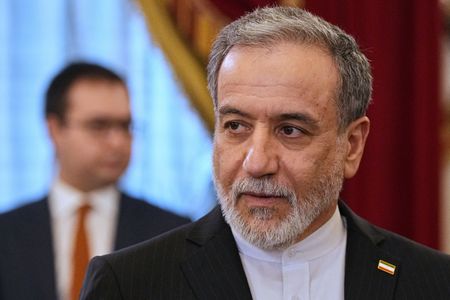
Iranian Foreign Minister Abbas Araqchi plans to arrive Wednesday evening for the two-day conference running through May 15, with Russian Foreign Minister Sergey Lavrov also scheduled to participate.
UAE representation at the gathering remains unclear. Recent tensions have escalated following reports of military strikes by UAE and Saudi Arabian forces against Iran in response to Iranian attacks.
Indian Foreign Ministry spokesperson Randhir Jaiswal noted in March that direct involvement of certain BRICS members in the conflict had made it “difficult for us to forge a consensus.”
A separate ministry official expressed optimism to Reuters about achieving a joint declaration following the ministerial discussions.
“Glad that the foreign ministers from all the BRICS countries, except China who is otherwise tied up, are coming. This is a good sign on efforts to build a BRICS coalition around a matter of interest to emerging economies and the global south,” commented former Indian diplomat Manjeev Singh Puri.
“Of course political solutions are difficult but the fact that they are meeting is positive and hopefully it will lead to a way forward.”
Rising energy costs from the conflict have forced several BRICS countries, including India, to implement emergency economic protection measures for their markets and citizens.
Beijing has maintained a relatively neutral position thus far, reflecting its strong relationships with both Iran and Arab nations with Sunni majorities.
Chinese Ambassador to India Xu Feihong will attend in place of Foreign Minister Wang Yi, who cannot travel due to U.S. President Donald Trump’s visit to Beijing this week.