
A significant military conflict in the Middle East is creating massive disruptions across global energy markets and supply chains, with impacts that financial experts say could rival those seen during the COVID-19 pandemic.
The crisis began last Saturday when joint U.S.-Israeli military operations targeted Iran, resulting in the death of Iranian Supreme Leader Ayatollah Ali Khamenei. Iran responded with widespread retaliatory strikes throughout the region, escalating tensions dramatically.
Energy markets are experiencing their most dramatic price swings since Russia’s 2022 invasion of Ukraine. Brent crude oil has surged past $87 per barrel while West Texas Intermediate has climbed above $84, marking weekly increases exceeding 20% and 25% respectively. Year-to-date, both benchmarks have spiked more than 40%.
The scale of energy disruption is unprecedented. The strategically crucial Strait of Hormuz has been effectively shut down, stranding hundreds of oil tankers. Qatar has halted its liquefied natural gas operations, Saudi Arabia suspended production at a major refinery, and Iraq has completely stopped crude oil production.
Asian markets are bearing the brunt of the crisis, with refineries in the region dependent on Middle Eastern sources for nearly 60% of their crude supply now scrambling for alternatives. Several facilities have already scaled back operations, and Asian jet fuel prices skyrocketed more than 70% on Wednesday alone, reaching record highs. European natural gas prices have also surged.
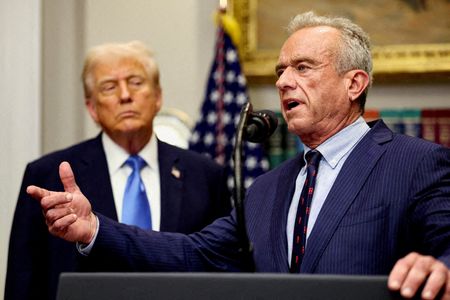
President Donald Trump addressed the energy situation Thursday, saying regarding rising gasoline costs, “They’ll drop very rapidly when this is over, and if they rise, they rise.”
The administration is taking some measures to address the crisis. The U.S. has temporarily relaxed restrictions on Indian purchases of Russian oil to help ease pressure on India’s refineries. While the Treasury Department considered intervening in oil futures markets to control prices, officials have reportedly decided against that approach for now.
Earlier this week, Trump announced the U.S. would provide insurance coverage and naval escorts to help reopen the blocked Strait of Hormuz, though analysts suggest this initiative may be insufficient given the current situation.
Stock markets worldwide are showing mixed reactions to the crisis. Asian equity markets, particularly those in countries heavily dependent on Middle Eastern energy imports, have suffered significant losses. South Korea’s Kospi index, which had been among the top performers in early 2024, is heading toward its worst weekly decline in six years at approximately 10.5%.
European stock markets have also weakened since the conflict began, though less severely than their Asian counterparts. U.S. equities have performed relatively better, benefiting from America’s position as the world’s largest energy producer and a rebound in technology stocks.
The U.S. dollar has emerged as one of the major beneficiaries during the conflict, rising roughly 1.5% this week, though this may not be solely due to safe-haven demand. Treasury yields have increased as concerns about potential inflation from the energy crisis have outweighed investors’ typical flight to safety.
Interestingly, gold prices, despite being up Friday, are actually down for the week overall. This could indicate investors are selling the precious metal to cover losses elsewhere, or it might reflect the speculative nature that has driven gold’s massive gains over the past year.
Financial markets may briefly shift attention today with the release of February U.S. employment data, amid ongoing concerns about artificial intelligence’s impact on jobs. However, focus is expected to return quickly to Middle Eastern developments.
Regardless of how or when this conflict concludes, experts believe it has the potential to fundamentally alter global perspectives on defense strategy, energy security, and resource nationalism. This shift comes at a particularly critical time when the artificial intelligence revolution is driving unprecedented demand for energy, metals, and minerals.
The crisis highlights the vulnerability of global supply chains and the interconnected nature of modern energy markets, with effects rippling far beyond the immediate region of conflict.