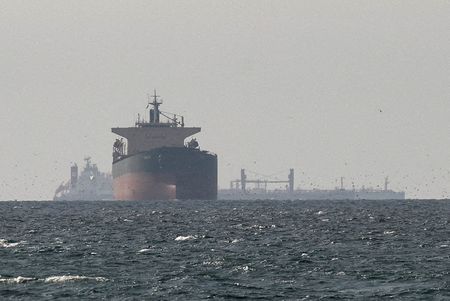

The conflict involving Iran has transformed routine international shipping into a costly logistical nightmare, with cargo vessels forced to navigate complex detours that are driving up prices for consumers worldwide.
What was once a straightforward 45-day journey for Austrian spruce lumber destined for Qatar’s construction industry has become an expensive odyssey involving multiple ports, overland trucking, and vessel transfers.
Before the current crisis, these construction-grade timber pieces – commonly called 2x4s in the building industry – followed a predictable path from Austria to Dubai’s Jebel Ali port, then onward to Qatar’s Hamad Port via smaller cargo ships.
Now these same shipments must be unloaded at alternative ports, transported by truck across land, and reloaded onto different vessels, creating additional expenses in the thousands of dollars and extending delivery schedules by months.
The disruption affects far more than just wooden construction beams. Medical supplies, food products, and the white wood spruce lumber used extensively in building projects are all experiencing significant delays and cost increases.
These two-inch by four-inch timber pieces, available in multiple lengths, may not represent critical strategic materials, but any supply shortage threatens to slow construction projects while inflating building costs across the region.
One Qatar-based building materials distributor, speaking anonymously to Reuters, described how the February 28 U.S.-Israeli military strikes against Iran disrupted his business operations. At that time, he had 17 shipping containers of white wood timber in transit.
Each shipping container carries approximately 2,850 individual Austrian spruce beams, representing roughly 15,000 euros ($17,702) in value.
His cargo departed Croatia’s Rijeka port according to schedule, but instead of proceeding to Jebel Ali as planned, the shipment was redirected to Khor Fakkan on the UAE’s eastern coastline to avoid passing through the now-dangerous Strait of Hormuz passage required to reach Jebel Ali.
Following this port change, the timber was loaded onto trucks for transport to Abu Dhabi, where it was transferred again to smaller cargo vessels heading toward Doha. This complicated rerouting process added approximately $3,600 in extra charges per container, though some shipping companies quoted surcharges as high as $5,000 per container – more than tripling the typical cost of transporting a 40-foot container of lumber from Europe to Qatar.
Despite these expensive adjustments, the cargo still hasn’t reached Qatar, with delivery now expected to require an additional one to two months.
Meanwhile, several containers of plywood ordered by the same supplier were loaded onto feeder vessels at Jebel Ali but spent weeks at sea before being returned to port, demonstrating how importers lose oversight of their shipments once vessels depart.
The financial impact on consumers has been substantial. Previously, the supplier sold standard 2×4 pieces for approximately QAR 23-25 ($6.30-$6.90) each. The additional expenses from rerouting and extended transit times have pushed his selling prices to QAR 35-37 ($9.60-$10.20) per piece.
Future shipments may prove even more expensive. Routing timber through Saudi Arabia’s Red Sea port of Jeddah represents one alternative under consideration, but would involve higher shipping fees and trucking materials 1,500 kilometers across the Arabian Peninsula to Qatar, further increasing per-unit costs.
Similar disruptions are affecting numerous other supply chains throughout the region.
Logistics company Geodis had originally planned to transport medicine from the UK to Dubai in approximately four days by air. That same journey now requires about 40 days using combined land and sea transportation.
For containers of onions traveling from India’s western coast to Dubai warehouses, what was previously a week-long voyage has become a three-week journey costing twice as much, according to Ravi Punjabi, Managing Director at Avalon General Land Transport, a UAE-based logistics firm.
Dubai and the broader United Arab Emirates benefit from having built their economies around serving as regional centers for tourism and trade, with the strategic advantage of ports like Fujairah and Khor Fakkan located on the Arabian Sea outside the Persian Gulf.
Other regional countries face more severe challenges, particularly Qatar, Bahrain and Kuwait, which rely heavily on Gulf shipping routes and passage through the Strait of Hormuz.
Gulf governments have attempted to coordinate responses to ease these transportation bottlenecks.
During a recent meeting with regional counterparts, Saudi Arabia’s Transport Minister Saleh bin Nasser Al-Jasser announced new measures, including permission for empty refrigerated trucks from other Gulf nations to enter Saudi Arabia and the creation of shared storage and redistribution facilities at King Abdulaziz Port in Dammam.
Dubai has also established what officials describe as a green corridor arrangement with Oman, enabling goods diverted to Omani ports to be trucked directly to the UAE with expedited customs processing and facilitating UAE exports to global markets through Omani ports.
However, these solutions remain imperfect, and transportation industry executives predict that cargo flows into Dubai and onward to other Gulf capitals will likely continue operating at reduced speeds and higher costs.
Prices for food items, personal care products and industrial supplies have already increased by 5% to 10% across parts of the region since late February, with additional price increases possible if shipping disruptions continue.
Geodis executive Eric Martin-Neuville noted that certain items, including some medications and food requiring refrigeration, face particular vulnerability.
“You have only so many plugs for electricity, so you can only accommodate so many containers in the port,” he explained.
This uncertainty compounds existing challenges for businesses that have already experienced prolonged disruption.
While 45 days represented standard shipping time for white wood from Europe before February, there was a period before Red Sea Houthi attacks began in 2023 when shipments took only about a month. Although those attacks have diminished, most shipping companies continue detouring around the Cape of Good Hope.
In Qatar, the building materials supplier reported having sufficient white wood inventory for several months, but must soon place new orders without knowing which shipping routes will be available or their associated costs.