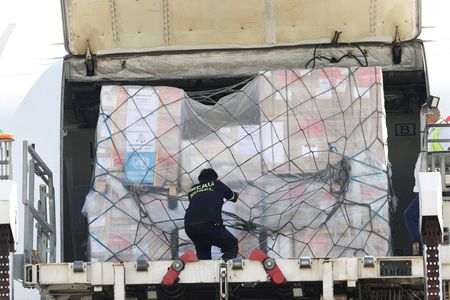

GENEVA, March 26 – The ongoing conflict involving Iran has forced the World Health Organization to drastically alter how it delivers critical medical supplies worldwide, with officials warning that escalating fuel prices could create serious shortages in developing nations.
Medical aid shipments from the WHO’s distribution center in Dubai were initially completely halted when the Iran conflict erupted on February 28 following U.S.-Israeli airstrikes. The disruption affected air, maritime, and ground transportation corridors throughout the region.
The conflict expanded when Iran launched drone and missile attacks targeting energy facilities and infrastructure throughout the Gulf region. Lebanon was drawn into the broader regional conflict after Hezbollah began launching attacks against Israel in solidarity with Iran.
To address the transportation crisis, the United Arab Emirates has funded alternative delivery methods, including trucking essential supplies such as insulin and emergency medical kits to Lebanon through Saudi Arabia, Jordan, and Syria. The UAE has also financed charter flights to deliver aid to crisis zones including Kabul, Afghanistan, according to WHO officials.
Lebanon has been particularly affected, with more than 3,000 people requiring medical treatment due to the ongoing violence.
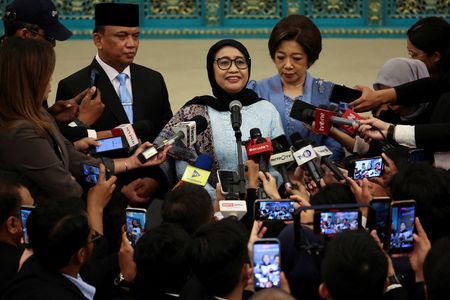
Paul Molinaro, WHO’s head of Operations, Support and Logistics, explained the challenges during a Thursday interview with Reuters. “What you’re getting is cost increases and lead time increases as we do the workarounds,” Molinaro stated. UAE officials have confirmed their support for partner organizations during this crisis.
Despite progress in finding alternative routes, Molinaro noted that some medical shipments remain stuck in Dubai, though two shipping companies have agreed to waive additional insurance fees.
The International Federation of Red Cross and Red Crescent Societies reported plans to transport ambulances destined for Lebanon overland from Dubai, but noted that ground transportation costs have increased by approximately 30 percent, with additional delays at border crossings.
When asked about potential medication shortages, Molinaro expressed greater concern about rising oil prices leading to fuel shortages in economically disadvantaged countries, which could strand aid supplies.
“You could be seeing serious issues 6 to 8 weeks down the line,” Molinaro warned. “I think we’re going to feel that quicker than shortages of drugs and of plastics and of equipment.”