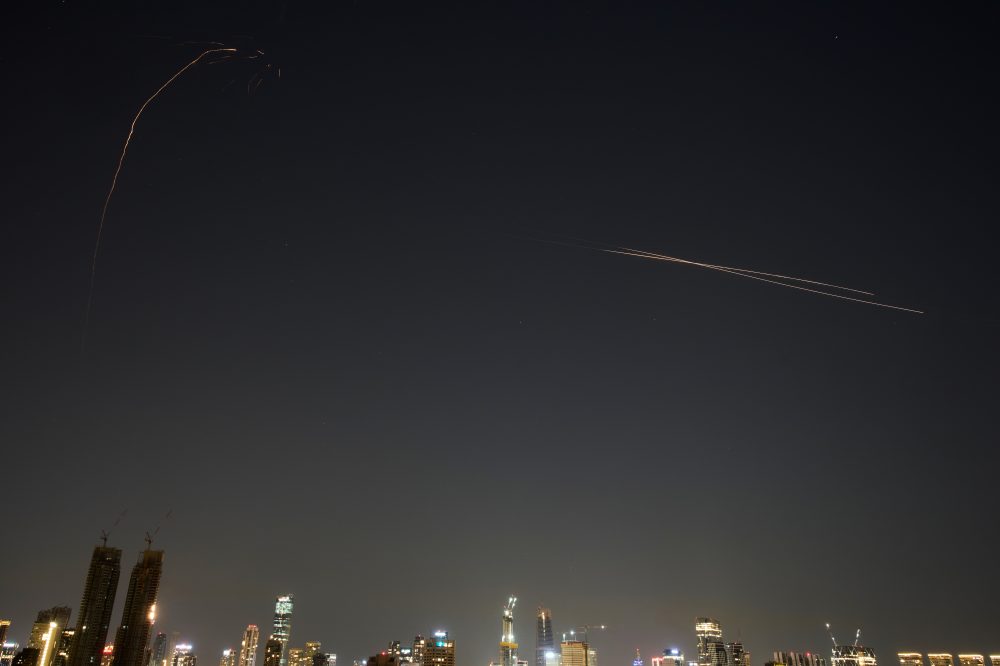

WASHINGTON — Military strikes involving Iran and Israel are injecting fresh economic uncertainty into an already challenging landscape for American consumers, with Delaware drivers potentially facing higher costs at the gas pump in the coming days.
The Middle East conflict has already pushed oil prices upward and threatens to compound existing economic pressures from trade disputes, sluggish job creation, and persistent price increases that have strained household budgets.
Economic experts warn that while a brief conflict lasting just weeks would have minimal lasting impact, an extended war driving oil beyond $100 per barrel could reignite inflation concerns and dampen economic expansion, further frustrating Americans already dealing with high costs for basic necessities.
Following nearly five years of climbing prices, affordability concerns have damaged President Donald Trump’s approval ratings and helped Democratic candidates in recent electoral contests.
On Monday, benchmark U.S. crude oil prices surged 6.3% to close at $71.23 per barrel, while Brent crude, the global benchmark, jumped 6.7% to $77.74. However, economists suggest this level of increase, even if maintained, would have limited inflationary impact.
“While cost-conscious Americans who are dealing with an affordability crisis will not take this increase lightly, such an increase will not materially affect economic growth,” said Joe Brusuelas, an economist at RSM consulting firm.
Stock markets recovered from early losses to post modest gains Monday, suggesting investor confidence that hostilities may be brief.
However, a prolonged conflict that disrupts shipping through the Strait of Hormuz — a critical waterway handling approximately 25% of global oil transport — could drive crude prices above $100 per barrel. This scenario might push U.S. gasoline prices to $3.50 per gallon, up from Monday’s national average just below $3.00.
Such price increases would accelerate U.S. inflation while hampering economic growth, according to analysts.
“Markets are right now really under-pricing the tail risk of a sustained engagement and an operation that does not wrap up quickly, restore travel through the Strait of Hormuz and get everything back to de-escalation and normal in a timely manner,” said Alex Jacquez, chief of policy and advocacy at the Groundwork Collaborative and former economic adviser to the Biden White House.
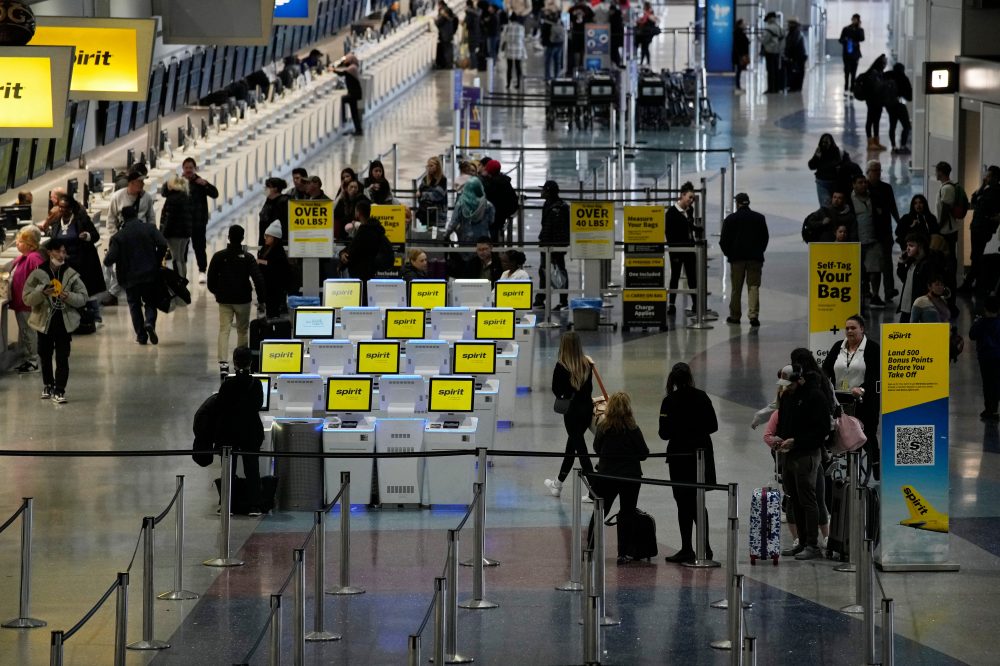
The conflict’s economic ripple effects could extend beyond gasoline. Rising fuel costs typically translate to higher airfares as airlines face increased expenses, while shipping costs could climb, potentially affecting grocery prices for Delaware families.
Natural gas prices also spiked Monday, as roughly 20% of global gas supplies pass through the Strait of Hormuz and a liquefied natural gas facility in Qatar ceased operations. This development could increase heating costs for Delaware residents, adding to the 10% price increase natural gas has already experienced over the past year, partly due to surging energy demand from artificial intelligence data centers.
Nevertheless, economists note that today’s U.S. economy relies less heavily on oil than in previous decades, with most workers now employed in service industries rather than manufacturing.
Additional factors may help contain oil price increases. Rory Johnston, founder of oil analytics firm Commodity Context, noted that oil stockpiles were substantial before the conflict began, helping moderate price movements. This contrasts sharply with winter 2022, when post-pandemic supply chain disruptions had already elevated oil costs before Russia’s Ukraine invasion triggered much larger price spikes.
“Monday’s increase is a very minor spike relative to” what occurred after Russia’s invasion, Johnston observed.
Should the Iran conflict persist for months, it could also undermine business confidence, potentially leading companies to reduce investment and hiring, according to Kathy Bostjancic, chief economist at Nationwide Financial.
“When there is an injection of new uncertainty into the business environment … that’s a hit to confidence,” she explained.
The outcome might mirror the impact of Trump’s tariffs, which didn’t increase prices as dramatically as many economists predicted but appeared to slow job creation. Employment growth in 2025 has been the weakest outside of a recession since 2002.
Even without significant inflation increases, Trump faces the risk that Americans will grow dissatisfied with his economic stewardship.
Polling data shows Americans maintain pessimistic economic views, largely due to lingering effects from price increases over the past five years. Trump’s efforts to characterize the U.S. as experiencing a “golden age” have failed to shift these perceptions.
An extended Iranian conflict that raises gasoline prices would likely worsen public sentiment, Jacquez suggested.
“People generally don’t think that President Trump is focused on the things that they are focused on,” Jacquez added, “and what they want him to be focused on is the price of groceries. What they think he’s focused on are things like tariffs and foreign policy.”