
Excitement is building among Chesapeake Bay fishing enthusiasts as new regulations take effect this Friday, May 1st, allowing anglers to harvest striped bass within specific size limits for the first time this season.
Fishermen will be permitted to keep one striped bass daily that measures between 19 and 24 inches in designated Bay waters stretching from the Brewerton Channel south to the Virginia border. The harvest zone excludes most bays, tributaries, creeks and rivers, with exceptions for Tangier and Pocomoke Sounds and Potomac River tributaries below the Nice Memorial Bridge on U.S. 301. Spawning rivers remain completely closed to striped bass fishing.
Trolling restrictions remain in place, limiting anglers to six lines with barbless hooks and prohibiting stinger hooks.
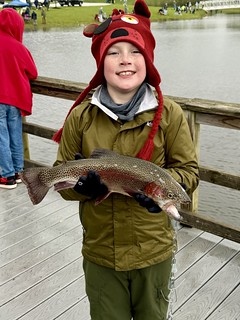
Meanwhile, freshwater fishing continues to provide excellent opportunities, with trout fishing remaining strong and both largemouth and smallmouth bass offering good action. Young anglers are particularly enjoying family fishing outings during the current fishing rodeo season.
Water Conditions for April 29 – May 5:
Bay surface temperatures and river mouth readings are steady around 60 degrees, according to monitoring buoys. Smaller waterways are also maintaining temperatures in the 60s, though shallow areas and downwind locations can reach the upper 60s on sunny days. These warmer zones in low-salinity areas remain prime spots for hickory shad, which prefer temperatures between 55-65 degrees during their spawning period over the next few weeks.
Most Maryland rivers and streams are running below normal levels. Bay and river clarity remains average throughout most Maryland waters. Strong tidal currents are expected all week due to the full moon on May 1st.
Upper Chesapeake Bay Conditions
The striped bass spawning season near the Susquehanna River mouth is wrapping up, with post-spawn fish beginning their journey toward New England waters. Once these fish move south of the line between Abbey and Worton points, catch-and-release fishing becomes available. Starting May 1st, anglers south of the Brewerton Channel may harvest one striped bass daily within the 19-24 inch range.
Trolling and jigging along the main channel are proving effective this week. Light tackle enthusiasts are finding success in shallow Bay shoreline waters using paddletails, jerkbaits and glide baits.
Hickory shad continue offering catch-and-release opportunities in the lower Susquehanna River, Octoraro Creek, and near Deer Creek’s mouth, though numbers remain well below historical levels. Colorful flies, shad darts, and small gold and silver spoons are working well under various conditions.
Largemouth bass fishing remains strong at the Susquehanna Flats grass beds and area tidal rivers, with Chesapeake Channa (northern snakehead) also active in these waters.
White perch are entering the lower Susquehanna River, with larger females now arriving. Small jig heads tipped with grass shrimp or minnow pieces are effective, as are bottom rigs baited with grass shrimp or bloodworm pieces.
Blue catfish action is outstanding in upper Bay tidal rivers this week, with some of the largest specimens coming from the Conowingo Dam pool and open Bay waters. The Chester River holds particularly high blue catfish populations. Cut bait and scented baits work well whether fishing from boats or shore.
Middle Bay Report
Post-spawn striped bass are moving down from upper Bay spawning areas, while fish have been leaving the Choptank River for weeks. Middle Bay temperatures are holding at or slightly above 60 degrees.
Light-tackle anglers are enjoying excellent catch-and-release fishing in Bay shallows and will soon be able to harvest slot-sized fish. Exceptionally clear water conditions due to limited rainfall are creating ideal sight fishing opportunities. Topwater lures provide the most excitement, while paddletails remain another top choice.
Channel edge trolling will become popular once harvest season begins, but anglers must remember the six-line limit with barbless hooks and no stingers. When using bait, non-offset circle hooks are required and eels are banned.
White perch are moving into lower tidal river sections and transitioning to summer habitat. In deeper waters, small jigs with grass shrimp or minnows work well, along with bottom rigs using bloodworm pieces. Around structure like docks, points, jetties and oyster bars, simple bottom rigs with grass shrimp or bloodworms are popular.
The Choptank River holds good blue catfish numbers, with all regional tidal rivers and creeks supporting populations to varying degrees. The area between Choptank town and Denton typically holds the highest concentrations due to optimal salinity levels.
Lower Bay Fishing
While many larger post-spawn striped bass from the Potomac, Patuxent and Nanticoke rivers have moved through, smaller males continue lingering in the area. Light-tackle casting with topwater and paddletail lures works well in shallow Bay waters, while jigging succeeds in deeper channels.
Traditional striped bass locations include the steep channel edge on the Bay’s east side from Buoy 76R to 72B, plus Cove Point, Cedar Point, Point Lookout and Smith Point on the western shore. In the Potomac, the steep edge from St. Georges Island to Piney Point consistently produces fish, as does the Route 4 Bridge area on the Patuxent River.
White perch are present in lower tidal river sections and steadily moving toward summer areas. Black drum are being caught in Tangier Sound using peeler or soft crab baits.
Hickory shad and American shad spawning runs in the Potomac River near Washington D.C. have been hampered by extremely low water levels this month. Anglers are finding better catch-and-release action near the Cain Bridge, while Fletchers Landing pool waters have been unproductive. Expected rainfall later this week may improve this fishery significantly.
Blue catfish are providing excellent action in the Potomac River from the Route 301 Bridge to Wilson Bridge, with better fishing typically found upriver due to higher salinity levels. The Patuxent River above Benedict to Jug Bay and the Sharpstown area on the Nanticoke offer good blue catfish opportunities.
Freshwater Opportunities
Trout fishing continues benefiting from weekly stockings in put-and-take and special regulation waters. As temperatures warm, stockings will become less frequent and focus on the cooler western regions. Low stream flows due to limited rainfall are creating challenging trout conditions.
Largemouth bass are beginning to spawn statewide, though western areas typically start later due to cooler conditions. The catch-and-release season continues until June 16th, when harvest season opens for both tidal and non-tidal waters with a 12-inch minimum and five-fish daily limit. Targeting larger females in transition waters outside shallow spawning areas often proves more productive than focusing on males near spawning beds.
Chesapeake Channa remain active in areas where tidal largemouth bass are found. White paddletails excel when fishing near grass or structure. Developing grass beds will provide summer cover, while fishing large minnows under bobbers or popping corks in open water works well during spring.
Smallmouth bass have been spawning in the upper Potomac River and Deep Creek Lake for several weeks. The upper Potomac continues experiencing low flows with clear water, requiring long casts with light line toward emerging grass beds, current breaks and deep pools. Tubes, swimbaits, crankbaits and craw jigs all prove effective.
Crappie completed spawning in late March and early April and now hold near structure. Marina docks, fallen trees, bridge piers, sunken wood and brush attract crappie in both tidal and non-tidal waters. Small minnows under slip bobbers remain popular, though marabou jigs also work well.
Youth fishing rodeo events continue providing excellent opportunities for young anglers to find success in safe, family-friendly environments.
Atlantic Ocean and Coastal Areas
Surf anglers are experiencing a strong black drum run along Assateague and Ocean City beaches this week, with sand fleas and clams serving as preferred baits. Large striped bass and bluefish are also moving along beaches during their northward migration. Cut menhaden, particularly the head section, resists damage from clearnose skates and dogfish better than other baits.
At Ocean City Inlet and Route 50 Bridge areas, anglers are catching and releasing large striped bass by drifting cut bait during evening and nighttime hours. Smaller striped bass are being caught during early morning and evening using paddletails and soft plastic jigs. Tautog are active near jetty rocks, bulkheads and bridge piers, taking sand flea baits. Flounder continue moving through the inlet toward back bay waters.
Channels leading from the inlet are producing the best flounder action this week. Striped bass continue providing excellent catch-and-release opportunities during morning and evening hours near the Verrazzano and Route 90 Bridge piers, with paddletails and soft plastic jigs being the preferred methods.
Charter and private boats fishing inshore and offshore wreck and reef sites are finding good numbers of tautog and flounder, with crab pieces being the most effective bait.