
Maryland’s Board of Public Works has signed off on more than $1.2 million in grants from the state Department of Natural Resources, directing the money toward parkland acquisition, trail improvements, and new recreational communication boards in Prince George’s, Somerset, and St. Mary’s counties.
The funding, distributed through the Program Open Space – Local program, covers two main projects. One involves purchasing 8 acres of new parkland to expand Prince George’s County’s Patuxent River Park. The other focuses on trail improvements and kayak launch sites on Smith Island in Somerset County.
An additional $8,760 was approved to install recreational communication boards at three locations in St. Mary’s County: Cecil Park, St. Clements Shores, and Leonard Hall Childcare Center. The boards use photos, symbols, and illustrations to help people with limited language skills communicate while using play areas, improving overall accessibility.
Beyond the local grants, the board also approved six Program Open Space – Stateside projects totaling $9.73 million to acquire and protect approximately 1,146 acres across the state. Those projects include:
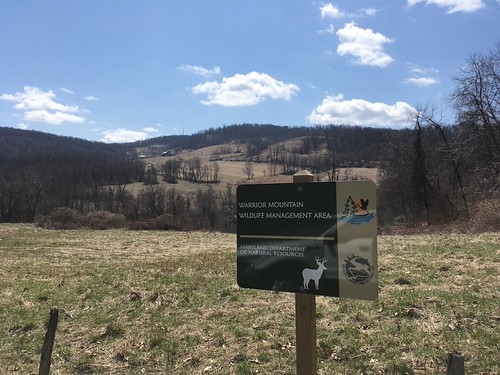
Adding 18.86 acres to Chesapeake Forest Lands in Worcester County, to be managed as working forestland; acquiring a 367.73-acre conservation easement in Talbot County’s Lower Choptank River watershed, which will include public trail access; and adding 204.43 acres to the Warrior Mountain Wildlife Management Area in Allegany County to expand public recreation opportunities.
Additional acquisitions include a 144-acre property near Assateague State Park in Worcester County for passive recreation; a 20.6-acre forest near St. Mary’s River State Park to protect bird habitat; and 390.43 acres in St. Mary’s County to be managed by the Maryland Forest Service as working forestland with public recreation access.
The three-member Board of Public Works consists of Governor Wes Moore, Treasurer Dereck E. Davis, and Comptroller Brooke E. Lierman.
Program Open Space – Local has been in operation since 1969 and is funded through a property transfer tax. It provides money to county and municipal governments for planning, acquiring, and developing recreational land and facilities, with each county receiving an annual allocation.