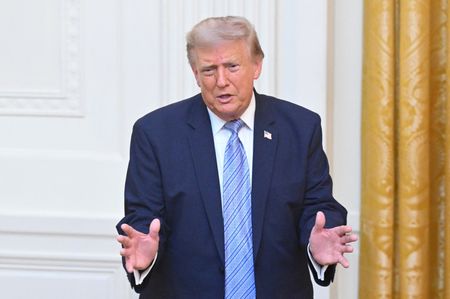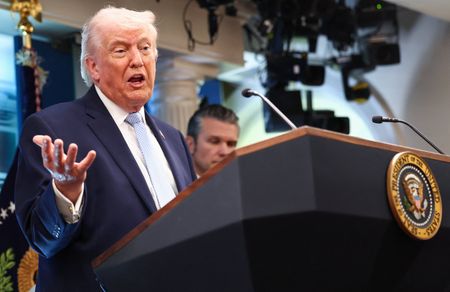

Financial markets experienced significant movement on Tuesday following President Donald Trump’s announcement of a temporary two-week ceasefire agreement with Iran, made just under two hours before his ultimatum deadline requiring Tehran to reopen the Strait of Hormuz or face extensive strikes on civilian infrastructure.
The ceasefire news triggered a sharp decline in oil prices while government bonds gained strength and stock markets climbed, as investors viewed the development as potentially opening doors to sustained peace and the restoration of oil and gas shipments from the Gulf region.
Financial experts and market analysts shared their perspectives on the development:
Andrew Lilley, who serves as Chief Rates Strategist at Barrenjoey in Sydney, expressed concerns about market recovery. “We still have a long way to get back to where we were before this began. The worry now is the markets are unsure of the extent to which the oil price is going to get back to $75,” Lilley stated.
He continued, “This little precipice where actually oil is flowing, no one has a shortage, but it stays at an equilibrium price of $90, that is actually where you remove the tail risk that central banks are cutting. It’s kind of the scenario that results in permanently high yields because we’re going to have damaged infrastructure and a sticky high oil price for months to come, which means that we are going to get higher inflation.”
George Boubouras, Head of Research at K2 Asset Management in Melbourne, emphasized the importance of energy supply restoration. “Restocking energy supplies is the key over the next week as the conflict can reignite very quickly. This decreases the probability of a recession particularly if more oil, gas, fertiliser can flow in the next week or so. Markets are always pragmatic and not complacent as they are looking through the conflict and valuations remain compelling on a one-year view,” Boubouras commented.
Martin Whetton, Head of Financial Markets Strategy at Westpac in Sydney, remained skeptical about lasting market changes. “This is what happens all the time. Does it mean people are going to take new risks? No, it doesn’t,” Whetton noted. “It would have to actually be a lasting peace (to change things). People aren’t actually taking risk. This is algos doing stuff.”
Brian Jacobsen, Chief Economist at Annex Wealth Management in Menomonee Falls, Wisconsin, offered a cautiously optimistic view. “President Trump said he agreed to a two-week ceasefire. That’s enough to keep hopes alive that not only will an entire civilization NOT be destroyed, but we could see oil start flowing through the Strait of Hormuz,” Jacobsen said.
He added, “Is it just kicking the can down the road, moving the goal posts, TACO Tuesday, or whatever metaphor we’d like, to only to have tempers flare and bombs drop again? Who knows? But it’s good enough for now to elicit a positive response from the markets.”