
WASHINGTON — A dramatic surge in gasoline costs triggered the most significant inflation increase in almost four years during March, presenting new obstacles for Federal Reserve policymakers and creating political headaches for the current administration as Americans face higher living expenses.
The Labor Department reported Friday that consumer prices climbed 3.3% in March compared to the same month last year, a notable jump from February’s 2.4% rate and the highest annual increase recorded since May 2024. Month-to-month, prices advanced 0.9% from February to March, representing the steepest such rise in nearly four years.
This marks the initial inflation data reflecting the economic impact of the Iran conflict.
When removing fluctuating food and energy costs, core inflation increased 2.6% annually in March, rising from February’s 2.5%. However, core prices grew just 0.2% for the month, indicating that escalating fuel costs haven’t yet affected numerous other sectors.
The petroleum price surge resulting from the Iran conflict has altered inflation’s path, transforming a steady, gradual decrease into a sharp upturn that moves further from the Federal Reserve’s 2% goal. Consequently, the central bank will likely delay any interest rate reductions for several months, with many Fed officials indicating rate increases might be necessary if inflation fails to moderate. Gasoline costs remain highly visible expenses that significantly influence consumer confidence and political opinions.
Rising fuel expenses reduce consumers’ purchasing power for other products and services, potentially slowing economic expansion. In the immediate term, most Americans have limited options to modify their driving patterns, which depend largely on residential, shopping, and employment locations. Therefore, most individuals will absorb higher gasoline costs and possibly reduce spending elsewhere.
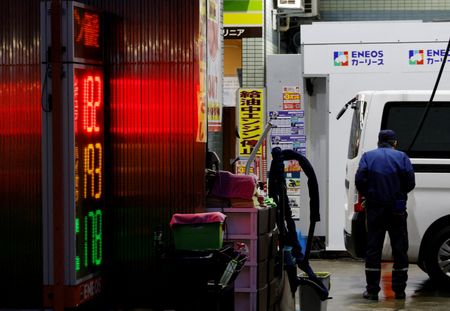
Gasoline averaged $4.15 per gallon nationally on Friday, climbing from $2.98 the day before hostilities commenced, according to AAA data.
The crucial question for consumers and the economy involves whether the oil and gas price surge will generate sustained, widespread inflation pressure, resembling events following the pandemic in 2021-2022. Inflation peaked at 9.1% in June 2022, as COVID-19 disrupted supply networks and multiple stimulus payments boosted consumer demand. Costs skyrocketed for food, furniture, dining, and numerous other products and services.
Currently, economists note that employment markets and consumer spending show less strength, with no substantial government stimulus payments being distributed to stimulate demand. While unemployment remains low at 4.3%, companies aren’t urgently hiring as they did when the economy recovered from the pandemic, which prompted many businesses to offer significant wage increases to attract and retain employees.
Quick salary improvements and steady income growth helped consumers manage higher costs resulting from pandemic supply chain problems, and fueled demand spikes that encouraged many companies to increase prices further.
“That’s where this really differs, is that we aren’t seeing anywhere near the strength of demand,” said Alan Detmeister, a UBS economist. During 2021 and 2022, income growth “was increasing really strongly. We aren’t seeing that now,” he explained.
Detmeister believes a more accurate comparison might be 1990-91, when elevated oil and gas prices from Iraq’s Kuwait invasion contributed to recession but didn’t trigger inflation increases, partly due to reduced consumer spending.
The fuel price spike’s inflation impact resembles President Donald Trump’s tariffs in some respects, as effects will depend mainly on the magnitude and length of increases.
For the present, economists anticipate March and April impacts will primarily affect energy-dependent sectors like airlines, shipping companies, and mass transit. Overall, the American economy relies much less on oil and gas than in previous decades.
Nevertheless, the substantial inflation jump — almost certain to persist for several months — has already changed Federal Reserve discussions. The central bank started the year expecting to reduce its benchmark interest rate at least twice. However, increasing numbers of Fed officials now consider raising rates if core inflation doesn’t decline meaningfully.
Most officials will likely support maintaining the Fed’s key rate unchanged in coming months at approximately 3.6% while evaluating economic developments. Investors currently don’t anticipate Fed rate cuts until late 2027.
Elevated gasoline prices present Fed challenges because they can also slow growth by reducing consumer spending, potentially causing job losses. The Fed typically lowers rates to encourage spending when unemployment increases, while raising rates to fight inflation.
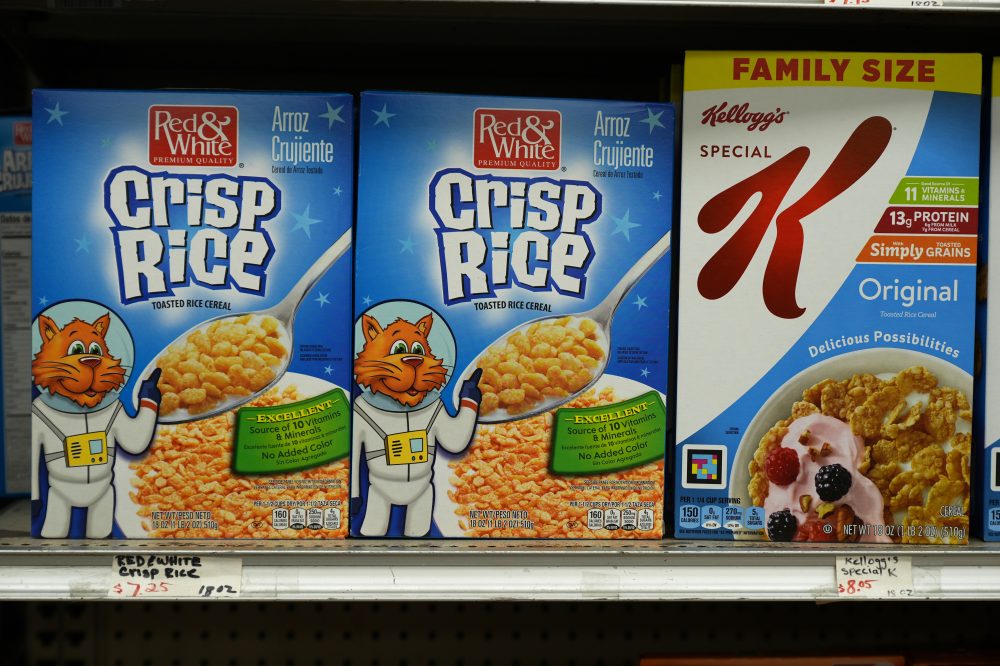
Costlier oil and gas will probably increase grocery prices, creating additional hardship for consumers who have already experienced roughly 25% higher food costs since the pandemic. Nearly all groceries arrive via diesel-powered trucks, and diesel prices have risen more than regular gasoline. Still, analysts don’t expect food price acceleration for another month or two.