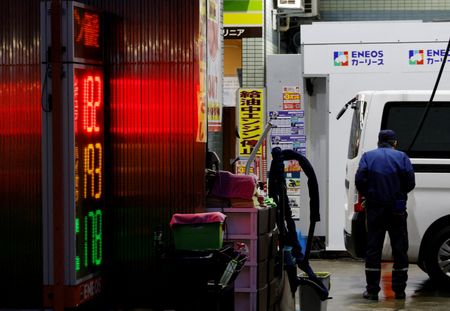

Japan’s core consumer prices increased 1.6% in June compared to a year ago, remaining below the central bank’s 2% target for the fifth month in a row. Fuel subsidies provided by the government helped cushion the impact of rising raw material costs linked to the ongoing Middle East conflict.
The core consumer price index, which leaves out the cost of volatile fresh food items, came in exactly where analysts had expected. It follows a 1.4% increase recorded in May.
A separate measure that excludes both fresh food and fuel — one that the Bank of Japan watches closely as a more reliable indicator of underlying inflation trends — rose 1.7% in June on a year-over-year basis, a slight dip from the 1.8% rise seen in May.
Central bank officials will take this latest inflation data into account when they meet next week for a policy review. At that meeting, the Bank of Japan is widely anticipated to hold interest rates where they are and release updated quarterly economic projections.
The Bank of Japan raised interest rates to their highest level in 31 years back in June, a significant move in its effort to normalize monetary policy. Officials signaled a willingness to tighten further as they work to manage the price pressures created by the energy shock stemming from the U.S.-Israeli war on Iran.