
WASHINGTON — Rising fuel costs are anticipated to drive consumer price increases to their highest level in almost four years when federal officials release March inflation data on Friday, potentially complicating monetary policy decisions and creating additional economic headaches for the current administration.
Economic analysts predict consumer prices climbed 3.4% in March when compared to the same period last year, representing a significant jump from February’s 2.4% annual increase. Month-over-month, economists surveyed by FactSet anticipate prices advanced 0.9% from February to March, which would mark the steepest monthly climb since 2022.
Prior to this development, inflation had shown modest signs of cooling since autumn. A 3.4% reading would represent the highest level in nearly 24 months and remains well above the Federal Reserve’s 2% objective.
“There is going to be a headline sticker shock here,” said Michael Metcalfe, head of macro strategy at State Street, which produces PriceStats, a measure of inflation culled from millions of online prices. Their data suggests inflation could leap by 1.5% just in March from February.
When removing volatile food and energy sectors, core consumer prices are projected to have increased 2.7% in March compared to one year prior, climbing from February’s 2.5%. Monthly core price growth is expected at 0.3% from February to March, exceeding the pace needed to meet the Fed’s inflation goals.
Fuel costs jumped approximately 20% during March, a development that reduces consumers’ purchasing power for other products and services while potentially dampening overall economic expansion. Many Americans have limited flexibility to alter their driving patterns in the near term, as these are largely dictated by residential, shopping, and employment locations. Consequently, most people will absorb higher fuel expenses and potentially reduce spending elsewhere.
Thursday’s national gas price average reached $4.17 per gallon, climbing 69 cents from the previous month.
The critical concern for consumers and the broader economy involves whether the oil and gas price surge will trigger sustained, widespread inflation similar to the post-pandemic period of 2021-2022. Consumer prices peaked at 9.1% in June 2022, as COVID-19 disrupted supply networks and multiple stimulus payments boosted consumer demand. Costs escalated for food, furniture, dining, and numerous other products and services.
Currently, economists note the employment market and consumer spending show less strength, with no substantial government stimulus payments driving demand. While unemployment remains low at 4.3%, companies aren’t aggressively hiring as they did during the post-pandemic recovery, when many businesses offered significant wage increases to attract and retain employees.
Strong wage growth and steady income increases previously helped consumers manage higher costs resulting from pandemic supply chain problems, while also fueling demand spikes that prompted many businesses to raise prices further.
“That’s where this really differs, is that we aren’t seeing anywhere near the strength of demand,” Alan Detmeister, an economist at UBS, said. In 2021 and 2022, income growth “was increasing really strongly. We aren’t seeing that now,” he added.
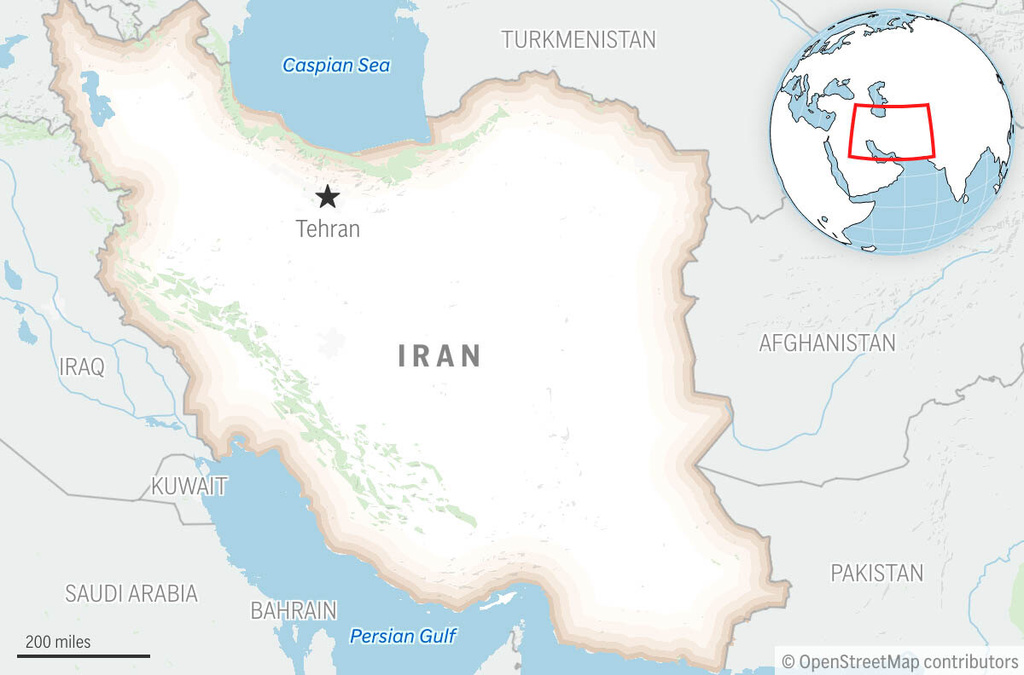
Detmeister believes a more appropriate comparison may be 1990-91, when elevated oil and gas prices following Iraq’s Kuwait invasion contributed to economic recession without triggering inflation increases, partly due to reduced consumer spending.
The fuel price surge’s inflation impact resembles former President Donald Trump’s tariff policies, with effects depending primarily on the magnitude and length of the increases.
Currently, economists anticipate March and April impacts will primarily affect energy-dependent sectors including airlines, shipping companies, and mass transit. The American economy relies far less on oil and gas than in previous decades.
Nevertheless, the substantial inflation increase — almost certainly continuing for multiple months — has already altered Federal Reserve discussions. The central bank started the year anticipating several interest rate reductions, but increasing numbers of Fed officials now consider rate increases if core inflation doesn’t decline meaningfully.
Most officials will likely support maintaining the Fed’s benchmark interest rate at approximately 3.6% in coming months while assessing economic developments. Investors currently don’t anticipate Fed rate cuts until late 2027.
Rising fuel costs present challenges for the Fed because they can simultaneously slow growth by reducing consumer spending and potentially causing job losses. The Fed typically reduces rates to encourage spending when unemployment rises, while raising rates to fight inflation.
Higher oil and gas costs will likely increase grocery prices, creating additional hardship for consumers who have already experienced roughly 25% higher food costs since the pandemic. Virtually all groceries are transported by diesel trucks, and diesel prices have increased even more than regular gasoline. However, analysts don’t expect food price acceleration for another month or two.