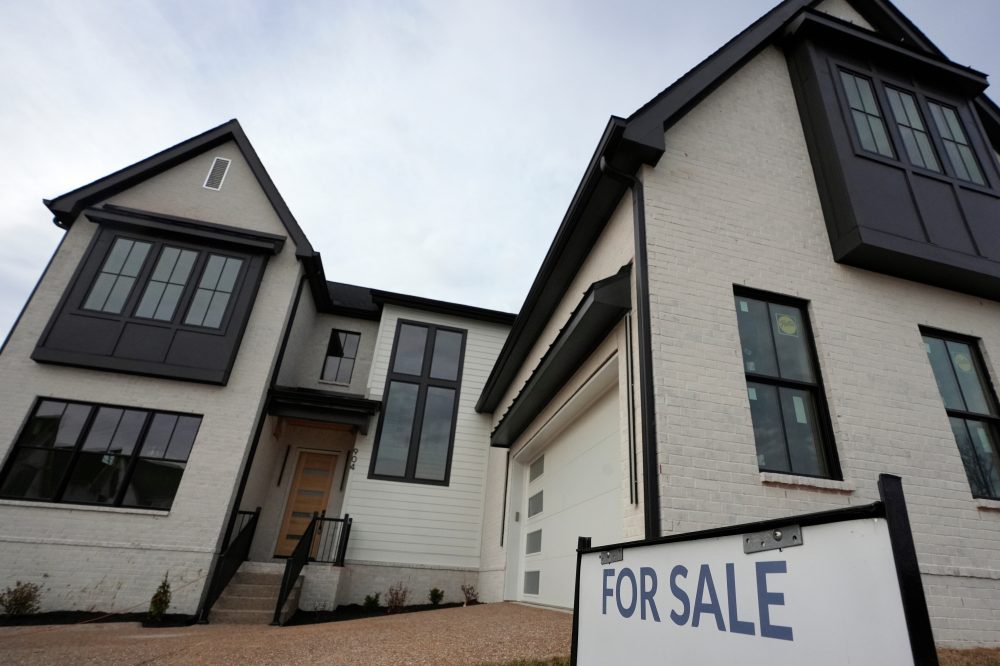

The U.S. housing market experienced a disappointing March as sales of previously owned homes dropped to their weakest level in nine months, despite mortgage rate improvements that failed to entice buyers during the traditionally active spring season.
According to Monday’s report from the National Association of Realtors, previously owned home transactions declined 3.6% from February, reaching a seasonally adjusted annual rate of 3.98 million units.
The March figures also showed a 1% decrease compared to the same month last year, with the Northeast and Midwest regions experiencing the steepest declines. Economists had anticipated sales would reach approximately 4.06 million units, according to FactSet data.
“Lower consumer confidence and softer job growth continue to hold back buyers,” Lawrence Yun, NAR’s chief economist, said in a statement.
Consumer sentiment data supports Yun’s assessment, with Americans’ short-term outlook for income, business conditions, and employment dropping 1.7 points to 70.9. This measurement has remained below the 80-point threshold that economists consider a potential recession indicator for 14 straight months.
Current sales activity has remained near the 4-million annual rate since 2023, significantly below the historical average of 5.2 million units annually.
While transaction volume decreased, property values continued their upward trajectory in March. The nationwide median selling price climbed 1.4% year-over-year to $408,800, establishing a new record for March based on data extending back to 1999. Home values have now increased annually for 33 consecutive months.
The housing sector has struggled since 2022, when borrowing costs started climbing from their pandemic-era lows. Last year saw previously owned home sales remain at three-decade lows, with sluggish performance continuing through the early months of this year as January and February sales lagged behind 2023 levels.
Many metropolitan markets have experienced slower price appreciation or declines, while housing inventory has expanded compared to last year.
Mortgage rates had been declining recently, reducing financing costs for potential buyers. Properties sold in March typically entered contracts during January and February, when 30-year mortgage rates ranged from 5.98% — the lowest in three and a half years — to 6.16%, based on Freddie Mac data.
However, borrowing costs have primarily increased since conflicts with Iran began, driving energy prices higher and raising inflation concerns. This has elevated yields on 10-year Treasury bonds, which mortgage lenders use to determine home loan pricing. Last week, the average 30-year mortgage rate reached 6.37%, according to Freddie Mac.
Rising mortgage rates prompted Yun to revise his 2026 existing home sales projection downward. He now anticipates a 4% increase this year, substantially lower than his previous 14% growth forecast.