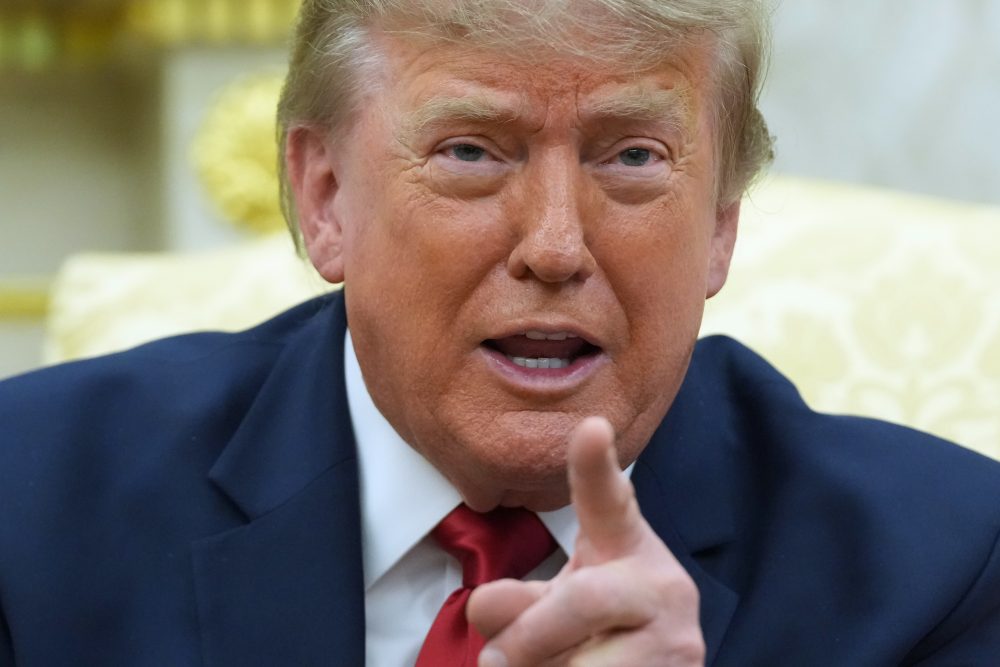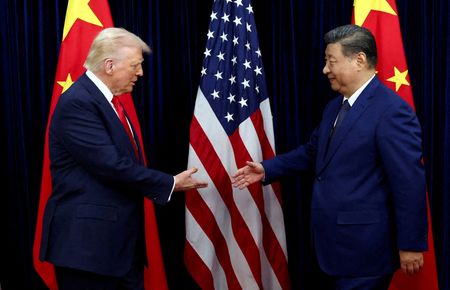

A powerful group of American business leaders will join President Donald Trump during his diplomatic meetings with Chinese President Xi Jinping on May 14-15, as major corporations look to break through business barriers in the world’s second-largest economy.
The delegation features over a dozen chief executives and senior leaders from prominent companies including Tesla, BlackRock, Illumina, Mastercard, and Visa, according to a White House official who spoke Monday.
This business contingent differs significantly from Trump’s 2017 China visit, which emphasized ceremony and trade agreements. Sources familiar with the planning process, who requested anonymity, indicate this smaller group focuses on companies with specific business challenges requiring resolution in China.
“Besides Boeing and Cargill being linked to purchase agreements, the others are mainly there to deliver demands on critical input supply,” explained Reva Goujon, a geopolitical strategist at Rhodium Group.
“This could help the US administration’s messaging that to even be able to discuss a board of investment, China needs to be a reliable investment partner and not weaponise supply,” Goujon added.
The corporate executives anticipate the high-level diplomatic discussions will create sufficient political momentum to overcome regulatory obstacles, secure market entry permissions, and open investment pathways, sources revealed. These companies confront broader regulatory and political challenges in China that extend beyond typical commercial negotiations.
When contacted for comment about their summit objectives, none of the participating companies provided responses.
According to one source, companies needed to demonstrate a “tangible ask” with potential for concrete results or agreement during the summit period to qualify for the trip.
However, another source emphasized that American businesses view this summit more as a political catalyst that could accelerate ongoing regulatory conversations in China rather than a platform for major formal announcements.
Meta faces immediate pressure regarding China’s state planning agency’s directive last month to reverse its acquisition of artificial intelligence company Manus, valued at over $2 billion. This order reflects Beijing’s increased examination of American investments in Chinese startups developing advanced technologies.
Tesla confronts potential restrictions on Chinese exports of solar manufacturing equipment to America, which could impact the company’s factory construction and expansion plans for increased domestic production.
Reuters previously reported in March that Tesla sought to purchase $2.9 billion worth of solar panel manufacturing equipment from Chinese suppliers, including Suzhou Maxwell Technologies, which required export permission from China’s commerce ministry.
Additionally, Tesla is pursuing Chinese regulatory permission to expand its Full Self-Driving assistance technology throughout China’s automotive market, the world’s largest.
Tesla CEO Elon Musk has previously recognized challenges created by technology restrictions from both American and Chinese governments, while expressing confidence about obtaining Chinese approval this year.
BlackRock CEO Larry Fink arrives in Beijing as his company leads a consortium facing examination over a proposed $23-billion purchase of port facilities, including two near the Panama Canal, from Hong Kong-based CK Hutchison.
Beijing has criticized this transaction amid Washington’s efforts to limit Chinese control over the strategically important waterway.
Technology company Coherent, which manufactures optical components, must navigate Beijing’s export restrictions on indium and related materials essential for advanced optical chip production.
Illumina joins the delegation as the American gene-sequencing company works to restore its operations after Beijing removed an export prohibition imposed on the firm last year.
Despite this progress, Illumina remains listed on China’s “unreliable entity” roster amid escalating American-Chinese tensions regarding biotechnology security and supply chain dependencies.
Payment processing leaders Mastercard and Visa hope to leverage the summit to strengthen their positions within China’s strictly controlled payments industry, according to the two sources.
One source indicated Mastercard desires American government support for increased ownership in its Chinese joint venture.
Mastercard achieved a milestone in 2023 as the first foreign payment network approved to process domestic yuan bank card transactions in China through its partnership with local company NetsUnion.
Another source revealed that Visa, which has not yet secured China’s domestic bank card processing authorization like competitors Mastercard and American Express, seeks to enter this valuable market with complete 100% ownership of a future joint venture license.
Citigroup CEO Jane Fraser and Goldman Sachs CEO David Solomon are also participating as Wall Street institutions continue pursuing deeper access to China’s capital markets.
Citigroup awaits approval for a fully owned securities brokerage license in China following its exit from a previous joint venture arrangement.
The bank also faces legal challenges with Zhejiang-based fuel company Haiyue Energy Group, which filed suit against Citibank over freezing a $27-million payment connected to American sanctions.
Agricultural agreements may emerge from the summit, potentially expanding Beijing’s grain and meat purchases from America, though market analysts don’t anticipate significant new soybean orders beyond last October’s agreement.