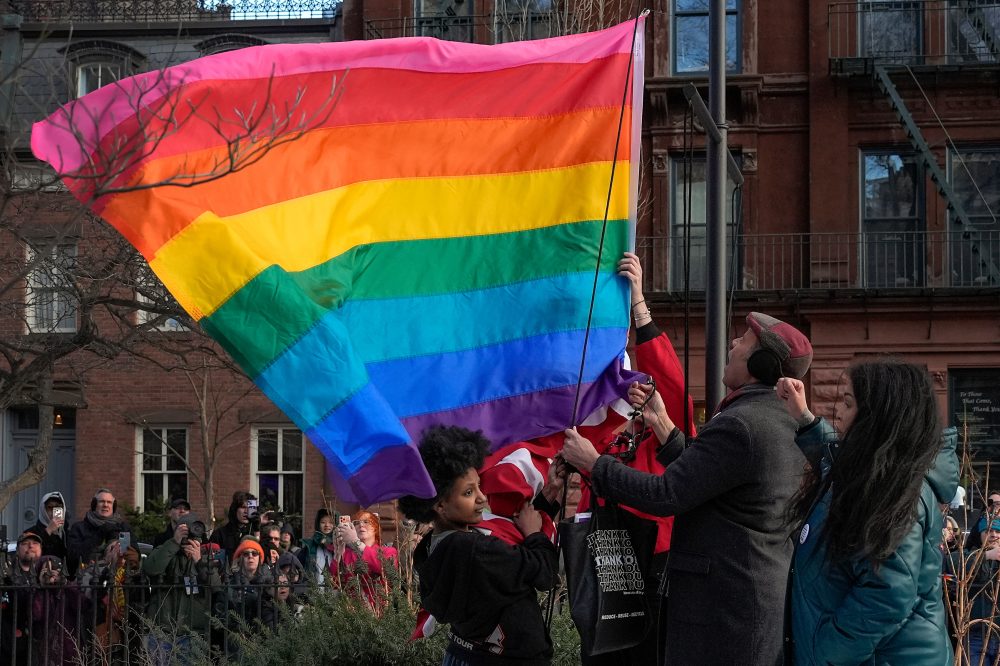

Sunday marks the pinnacle of Pride Month, with massive parades taking place in New York City and San Francisco — along with several other cities — on the anniversary of the Stonewall uprising of 1969, a pivotal moment that helped reshape and energize the modern LGBTQ+ rights movement.
Pride events have long blended festivity with advocacy, and this year is no different. The parades and festivals happening across the country this month come as President Donald Trump’s administration moves to dismantle transgender rights protections and roll back diversity, equity and inclusion programs. Earlier this year, the administration removed a rainbow Pride flag from the Stonewall National Monument, though it ultimately backed down following a legal challenge.
“As LGBTQIA+ events and symbols are being erased, it’s vital that our community have safe spaces to show up and march to make clear: We are here,” said Chris Piedmont, a spokesperson for New York parade organizers Heritage of Pride, in a statement released Friday. “We will not be erased.”
On the other side of the political spectrum, several Republican governors have declared June under conservative-themed names such as “Nuclear Family Month,” with some openly framing the designations as a pushback against Pride. Other prominent Republicans, including Vice President JD Vance, have weighed in on Major League Baseball’s handling of San Francisco Giants players who chose to add Bible verses to their rainbow-themed Pride Night caps.
Against this charged political backdrop, both the NYC Pride March and the San Francisco Pride Parade are moving forward as two of the largest and most historic celebrations of their kind in the world.
Both events trace their origins to 1970 gatherings held to honor the Stonewall rebellion, which occurred on June 28, 1969, when customers at a New York gay bar known as the Stonewall Inn fought back against a police raid, sparking a wave of LGBTQ+ activism that continues to this day.
The Stonewall Inn remains an operating bar. The Stonewall National Monument is centered around a small park directly across the street, located roughly half a mile from the Pride March route at its nearest point.
Also taking place in Manhattan on Sunday is the Queer Liberation March, a newer event created by activists who felt the main Pride March had become too corporate and institutionalized.
This year, some transgender rights advocates pushed Pride organizers to prohibit certain New York City hospital groups from participating in the march. Those hospitals recently announced they would no longer offer gender-affirming treatments for transgender youth — decisions that came in response to funding pressure from the Trump administration. At least some of those hospitals also received federal Justice Department subpoenas seeking transgender patients’ medical records, though a judge has temporarily put that demand on hold.
Heritage of Pride said it has been in discussions with the hospitals over the matter. The organization also pointed out that parade contingents are organized by LGBTQ+ employee groups within those institutions, not by the hospital executives who made the decisions about care.
Organizers of the San Francisco parade were asked whether they faced similar pressure, but no response was immediately available.
Other cities hosting Pride parades on Sunday include Seattle, where a World Cup soccer match on Friday took on an added dimension after the nations whose teams were playing — Iran and Egypt — unsuccessfully attempted to have the Pride celebrations called off.