
A remarkable philanthropic effort has generated more than $1 billion in charitable commitments in just 48 hours, as wealthy families joined forces to support ambitious nonprofit initiatives addressing some of the world’s most pressing problems.
In October, 35 affluent donor families participating in The Audacious Project convened in California, where they pledged $1.03 billion to support over a dozen charitable organizations with multi-year proposals tackling significant global challenges.
The initiative, operated through TED, revealed the recipient organizations on Tuesday following an extensive selection process that lasted more than a year. During this time, organizers worked with applicant groups to refine their proposals for projects larger in scope than typical philanthropic funding usually supports. The actual funding amounts are determined only when donors gather face-to-face.
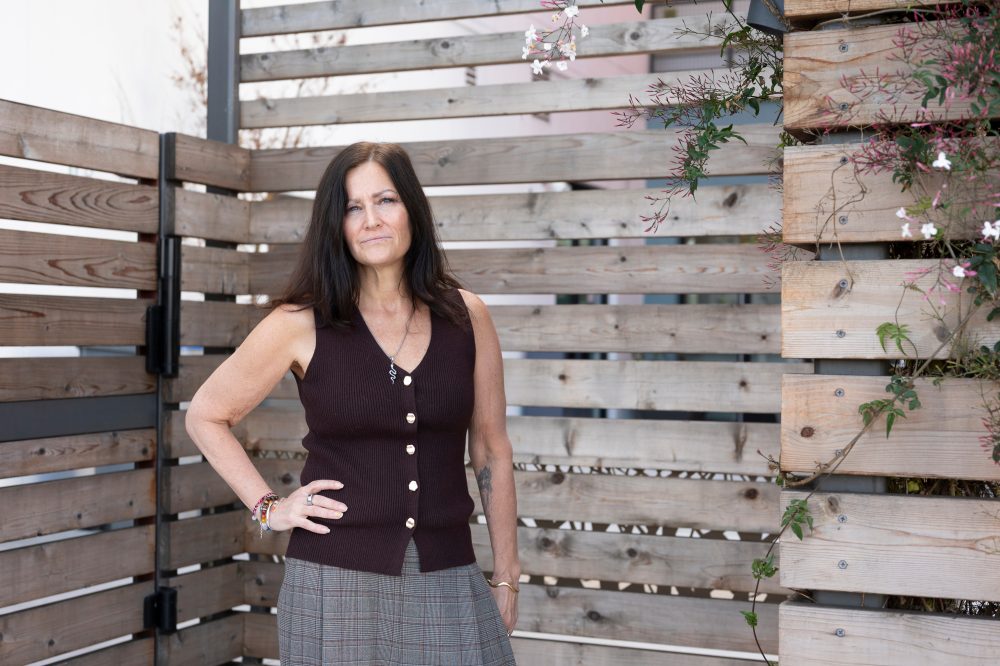
Jennifer Loving, who leads the San Jose nonprofit Destination: Home, described the experience as overwhelming when donors agreed to fully fund their request to bring homeless prevention programs to cities across the United States.
“It’s not for the faint of heart to work on this issue in America,” Loving said, referencing the stigma around poverty. “And so you kind of brace yourself. You never know if people are going to see what you see and it was beautiful. It was really beautiful.”
Connie Ballmer, who established Ballmer Group with her husband Steve Ballmer, Microsoft’s former chief executive and Los Angeles Clippers owner, has participated as a donor since 2021 after initially joining with one of their children to explore climate change funding opportunities.
“Nowhere that I know of can you raise a billion dollars in two days,” she said. “For an organization to raise an amount — whether it’s $40, $60, $80 million, I mean, do you know how long that takes them to do that kind of fundraising?”
Among this year’s recipients is the Arc Institute, a recently established California research organization that will use the funding to create a virtual cellular model designed to help scientists discover treatments for complicated conditions such as Alzheimer’s disease.
The South African organization Tiko also secured funding to broaden its services supporting teenage girls, including access to birth control, HIV care, and assistance with sexual violence situations. According to CEO Serah Joy Malaba, this marked Tiko’s third application attempt, driven by their goal to expand their reach to help more young women.
A total of 55 major donor families have taken part in at least one funding cycle of The Audacious Project. Membership grows through invitation, with participants required to pledge a minimum of $10 million per funding round. Many contributors exceed this threshold, often motivated by witnessing others’ generous commitments during the gathering.
Tegan Acton, who established Wildcard Giving with her husband Brian Acton, a WhatsApp co-creator, explained her participation stems from believing in collaborative approaches and appreciating the emphasis on supporting solutions created by those closest to the issues. She also finds value in observing different donors’ decision-making styles.
“Some people come and they have a binder printed and they have a thousand tabs with little notes about every project and they’ve marked up the appendices” she said, whereas others, “show up and watch the videos and see what sparks interest.”
During the application phase, finalist organizations create presentations similar to TED Talks to introduce themselves and their initiatives.
Loving explained that guidance from Audacious and The Bridgespan Group, a nonprofit advisory firm, helped strengthen their strategy for expanding their homelessness prevention model. Their Right at Home program identifies individuals and families at highest risk of housing loss and provides financial assistance and support to prevent homelessness. This method has now secured substantial public funding in San Jose.
“Going through this process was probably one of the most rigorous things we’ve ever done,” Loving said. “I can say with total confidence that it made us smarter.”
Loving’s initiative exemplifies the transformative change The Audacious Project aims to identify. While her organization hadn’t originally planned national expansion, they recognized their solution could benefit other communities. Rather than establishing new offices or direct expansion, they plan to collaborate with local organizations, provide funding, and include them in research to measure effectiveness.
This year marked the first time some organizations received follow-up commitments from Audacious donors, including Last Mile Health. Their original 2018 grant helped train community health workers across multiple African nations, growing from 2,000 to 23,000 workers. Their new $20 million award will support additional training while also backing efforts to coordinate and generate more domestic funding from the countries where they operate.
“It’s not just a philanthropic investment and then a cliff,” said Lisha McCormick, CEO of Last Mile Health. The funding will support restructuring how governments finance their public health systems following significant reductions to U.S. foreign aid, which comprised substantial portions of some nations’ health budgets.
Anna Verghese, executive director of The Audacious Project, noted they had contemplated second-round grants for some time.
“The honest question that we and our donor community had to wrestle with is, what kinds of partners are we if we walk away right when that momentum is building?” she said.