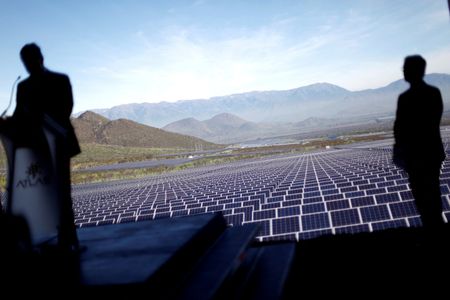

A major clean energy company has suspended $1 billion in planned renewable projects in Brazil after the country’s electrical grid operator began regularly turning away power from solar and wind facilities, according to the company’s chief executive.
Atlas Renewable Energy, which ranks among South America’s biggest clean power producers, made the decision to freeze the investments as grid curtailments reached 15%-25% for their current operations during the second quarter, CEO Carlos Barrera announced.
The company is controlled by Global Infrastructure Partners, a division of BlackRock. Barrera revealed the suspended projects totaled roughly 1.5 gigawatts of capacity that were scheduled to begin construction.
“There’s at least … 1.5 gigawatts that we put on hold in Brazil, where we had planned to already start construction,” Barrera explained during an interview at the SNEC photovoltaic conference in Shanghai.
Grid curtailment occurs when solar or wind facilities must shut down production because electrical networks have reached their capacity limits, even though weather conditions would allow for power generation.
The problem extends beyond Brazil, affecting renewable energy development in multiple nations including Australia, Japan, India and Chile, despite increased government support for clean energy following supply chain disruptions from international conflicts.
Brazil’s energy market structure creates additional financial strain for renewable companies. When grid operators reject their power output, these firms must purchase replacement electricity at premium prices to fulfill their contractual obligations.
“You’re being curtailed, but you’re buying energy at 2x the cost … that’s what’s been problematic,” Barrera said.
Credit rating agency Fitch Ratings issued negative outlooks for 11 Brazilian renewable project financings last month, warning that curtailments will persist through 2030 and harm cash flows, debt payments and liquidity. Fitch data shows average curtailments in their rated projects jumped to 7%-25% in 2025 from 6%-12% the previous year.
Barrera doesn’t anticipate reforms to the current market structure before 2028, citing upcoming elections this year. However, he predicts curtailments will gradually decrease as new solar installations slow down while electricity demand continues expanding.
The mismatch between rapid renewable capacity growth and insufficient transmission infrastructure development has forced clean energy companies to reduce operations and eliminate jobs.
“The real issue is overcapacity of solar. Even if you fix all the transmission issues in Brazil, you’re still going to have overcapacity, you’re still going to have curtailment,” Barrera stated.