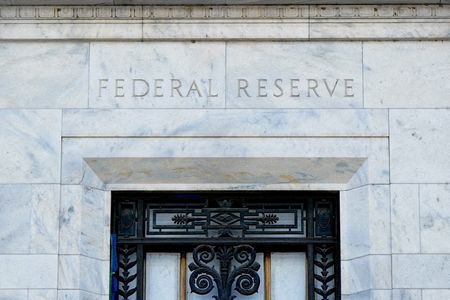

Financial institutions are working behind the scenes to persuade the Federal Reserve to make permanent its recent regulatory changes, ensuring future Democratic administrations cannot easily undo the lighter oversight rules, according to four sources familiar with the discussions.
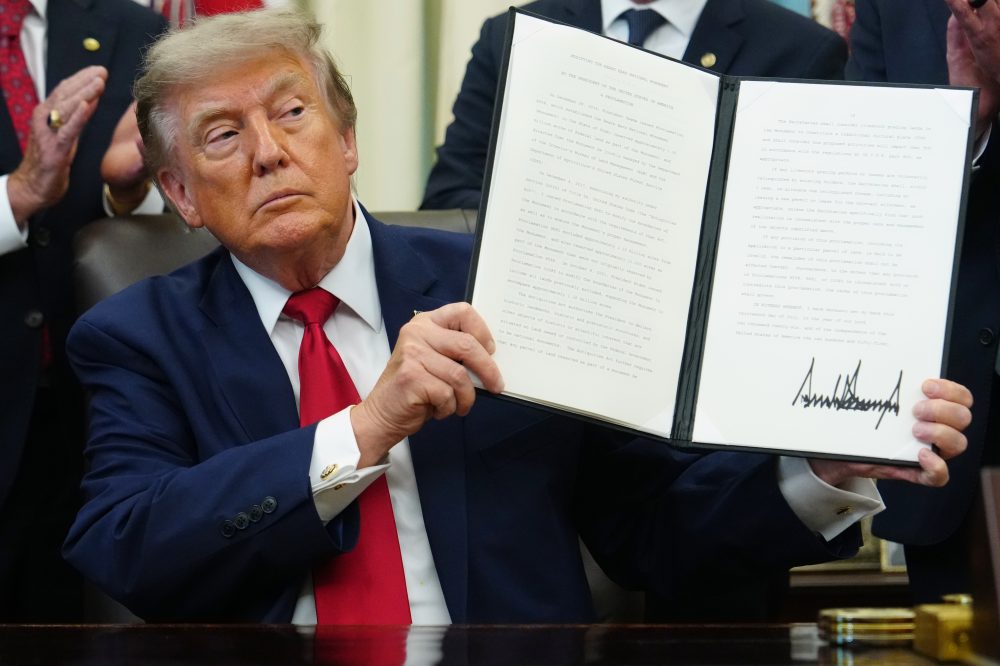
Under Republican President Donald Trump’s regulatory team, bank supervision has undergone its most significant transformation since the 2008 financial crisis. Officials have dramatically reduced the use of “matters requiring attention,” or MRAs, which bank examiners have traditionally relied on to compel financial institutions to address risk management problems and control deficiencies.
Recognizing this as a unique chance to reduce what they characterize as an aggressive and burdensome regulatory environment, financial institutions are working to secure their gains. They are pressing the central bank to formally clarify legal uncertainties around the gentler approach that has taken the place of MRAs, providing banks with long-term legal certainty, and the Fed intends to offer additional guidance, the sources said on condition of anonymity.
This initiative, disclosed here for the first time, demonstrates that financial institutions are already working to safeguard these modifications, expecting Democrats who are critical of financial institutions will attempt to overturn them — highlighting what some Fed observers describe as the increasing politicization of Fed oversight and regulatory policy.
Trump’s Fed Vice Chair for Supervision Michelle Bowman, who is spearheading these changes, is “attempting to alter the supervisory culture of the Fed and to shift the power balance … in favor of bank management,” said Todd Baker, senior fellow at the Richman Center for Business, Law and Public Policy at Columbia University.
Bowman has stated that supervisors are too focused on catching footfaults, or small missteps, and that her objective is to direct them toward genuine risks, not to diminish oversight. A Fed spokesperson declined to comment.
An MRA serves as a confidential method for examiners to identify problems they discover at banks and instruct the firms to resolve them. If a firm fails to address the issue, it could eventually escalate into a formal enforcement action and monetary penalties. Most large banks typically must handle numerous MRAs at any given time.
In October, the Fed announced it would reserve MRAs for material financial risks, and begin relying again on “observations,” a tool the central bank eliminated in 2013, as a way to informally flag issues. In a February memo, the Fed said it may also downgrade some existing MRAs to observations.
While MRAs can lead to enforcement actions, observations are nonbinding. While banks have welcomed the new approach, they believe observations are legally ambiguous and it is unclear how supervisors will respond if banks don’t act on them, the sources said. They worry future Democratic Fed leaders may seize upon that ambiguity to escalate observations they believe have not been fixed, to MRAs.
Banks are pushing the Fed for explicit written assurances that supervisors will not do that, and only escalate observations to MRAs if the facts around the issue change, the people said. The Fed has said it will amend public 2013 documentation around observations, and that could provide more clarity, one of the people said.
Banks have long complained supervisors routinely resort to MRAs for minor issues and their overzealous use can distract management. Silicon Valley Bank, they point out, had 19 open MRAs when it collapsed, most of which did not focus on the core issues that brought it down, a Fed post-mortem found.
MRAs became supervisors’ primary cudgel after the 2009 crisis highlighted that lenders were mostly ignoring observations, leading the Fed to scrap them, according to two former officials familiar with the Fed’s thinking at the time.
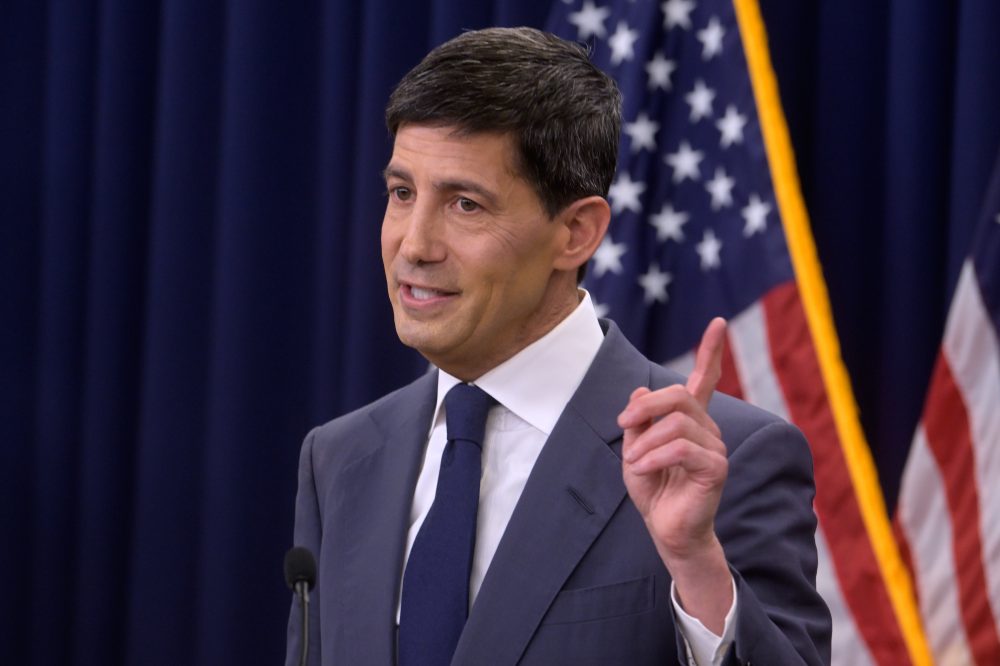
Arguing red tape is stymieing lending and the economy, the Trump administration is trying to steer softer bank rules and supervision, an effort that could gain steam under Trump’s new Fed Chair Kevin Warsh.
In addition to limiting MRAs, the Fed and other bank watchdogs have scaled back the number and scope of bank exams and this month proposed overhauling the confidential bank rating system. Bowman has also announced plans to reduce regulation and supervision headcount by around 30%, leading to the exit of long-tenured staff, and has brought in her own people.
Democrats say the changes are weakening financial system safeguards at a perilous time for the global economy, and some bankers expect a backlash if they take the White House in 2028.
While it has become typical for the regulatory pendulum to swing between Republican and Democratic administrations, that dynamic has become “supercharged” as Trump’s White House has asserted more control of the regulators, said Baker.
A White House spokesperson said the Trump administration is focused on “objective and measurable risks” to financial markets.
Enshrining the supervision pullback in formal regulations would make them tougher to unravel, said legal experts, but Bowman must put rulemakings to a Fed board vote. While Republicans hold the majority, the central bank has historically strived for consensus, and the board’s Democrats would likely dissent against such a move, according to industry officials.
Still, Bowman’s lieutenants have been peeling back the curtain on supervision by publishing new operating principles for examiners, a move aimed at making the changes more durable, said one of the sources who has direct knowledge of the matter.
Supervision has been shrouded in secrecy, which lenders say has fostered a culture of unaccountability. Publishing supervisory principles does not legally bind the Fed, but it raises the political and legal stakes of reversing course by forcing future policymakers to justify any shift, said the source.
Jeremy Kress, a University of Michigan law professor, said he believed the changes would have staying power, especially as more long-tenured examiners leave.
“It’s going to take a long time for a future Vice Chair for Supervision … to turn that tanker,” said Kress.