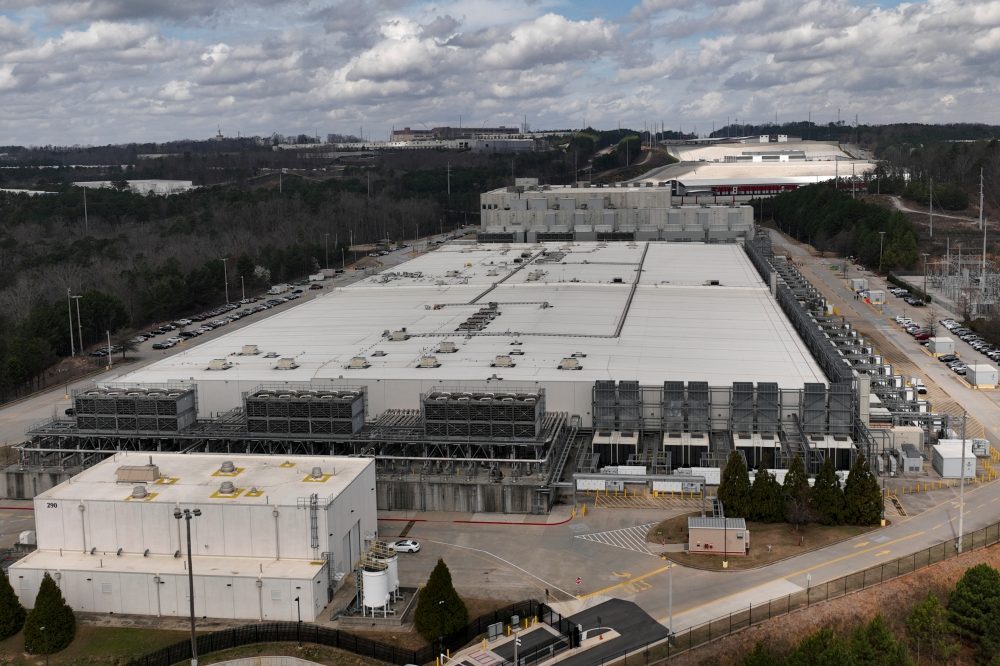

PORTLAND, Maine — Maine’s governor has rejected legislation on Friday that would have established the nation’s first statewide ban on large-scale data center construction.
The Democratic-led legislature had approved the measure, which would have halted construction of major data centers for over a year while establishing a special committee to help communities evaluate future developments. However, Governor Janet Mills blocked the legislation because it didn’t exempt a planned facility in Jay, where jobs are desperately needed following a mill closure.
While lawmakers in more than ten states have proposed similar construction freezes, Maine’s bill was the only one to successfully navigate through an entire legislative chamber. These proposals typically face strong pushback from development companies, business organizations, technology corporations, worker unions, and power companies.
Mills announced plans to establish a review committee through executive action to study data center impacts.
“I believe it necessary and important to examine and plan for the potential impacts of large-scale data centers in Maine, as the use of artificial intelligence becomes more widespread. Given the serious conversations about data centers here and around the country, I believe this work should commence without delay,” she said in a statement.
Several local governments and counties nationwide have implemented their own construction pauses, with opponents of state-level bans arguing that local officials should retain authority over these decisions within their communities.
The governor’s rejection sparked criticism from fellow Democrats, including the bill’s author and organizations advocating for cautious data center development. Representative Melanie Sachs, who introduced the legislation, stated that Mills is “resisting the will of a majority of Maine people” through her veto.
“While a veto might protect the proposed data center project in Jay, it poses significant potential consequences for all ratepayers, our electric grid, our environment, and our shared energy future. This decision is simply wrong,” Sachs said.
Community opposition to data center developments has grown rapidly even as high-ranking officials champion artificial intelligence and technology expansion. The Trump administration and numerous state leaders promote these facilities as crucial economic drivers and national security assets necessary for competing with China in the AI sector.
However, residents increasingly question the massive energy consumption of these facilities, while experts warn of potential power grid failures in mid-Atlantic regions within the coming years.