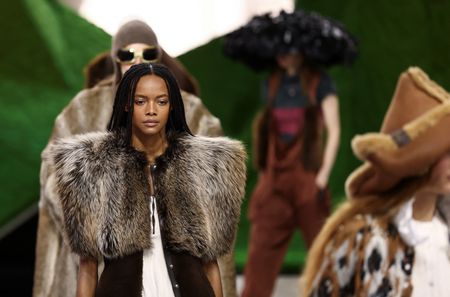

Stock prices for French luxury powerhouse LVMH tumbled as much as 3% Tuesday following the company’s announcement that ongoing conflict in Iran negatively impacted first-quarter sales figures, pushing back hopes for recovery in the high-end retail sector.
The parent company behind 75 luxury brands such as Louis Vuitton, Dior, and Tiffany & Co revealed Monday that the Middle Eastern conflict reduced worldwide sales by a minimum of one percentage point. This decline stemmed from reduced consumer spending in Gulf commercial centers like Dubai and decreased numbers of Middle Eastern customers traveling to European shopping destinations.
Since January, LVMH stock has declined 26% as expectations for luxury market recovery have diminished, with war-related disruptions and rising prices creating additional challenges for growth.
“It remains clear that 2026 is still a transition year for LVMH,” stated Ben Lambert, who manages European equity portfolios at Ninety One in London. “For the shares though that is already reflected in the valuation.”
Rising energy costs and mortgage rates will likely reduce demand from middle-income luxury shoppers, according to Kevin Thozet, a portfolio adviser at Carmignac in Paris. He also noted that declining stock markets could impact spending among affluent American consumers.
“The question is whether we are just kicking the can down the road because of what’s happening in the Middle East, postponing expectations of a recovery by one or two quarters, or if it’s something more material,” Thozet explained.
LVMH finance chief Cecile Cabanis reported that shopping center foot traffic in the Middle East, representing approximately 6% of company revenue, initially plummeted between 30% and 70%, averaging around 50%. “What we see today is still that demand is very much down,” she noted.
Although LVMH typically releases profit data during July’s half-year results, Cabanis indicated the war would likely have a more significant impact on profitability, describing the Middle East as “quite a profitable market.”
Market watchers will monitor how the conflict affects other luxury companies when Kering, Gucci’s parent company, releases results Tuesday evening, and Hermes announces first-quarter figures Wednesday morning.
“LVMH is one of the best-managed groups in the sector, I think, and if they’re doing all the right things and they’re struggling to move the dial, then it speaks to the broader malaise in the sector,” commented Berenberg analyst Nick Anderson.
A strengthening euro compared to the dollar also affected LVMH’s quarterly sales and may continue pressuring luxury demand as fewer tourists visit Europe to purchase handbags or fragrances, Anderson noted. “This will still be a big issue in the second quarter,” he added.