
Travelers who experienced a fatal hantavirus outbreak during an Antarctic cruise expedition face significant barriers if they want to pursue legal action against the ship’s operator, according to maritime law experts.
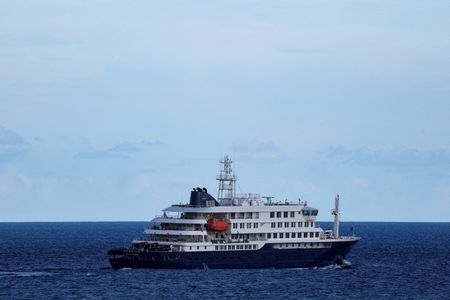
The situation unfolded aboard the MV Hondius, a polar expedition vessel flying under the Dutch flag and operated by Oceanwide Expeditions. The ship was carrying nearly 150 passengers and crew members near Antarctica when officials reported a cluster of serious respiratory illnesses to international health authorities on May 3.
Medical officials confirmed the outbreak as hantavirus after detecting the virus in a passenger who had left the ship in late April and received medical treatment in South Africa. While hantavirus typically spreads through contact with rodents, the particular strain discovered on the vessel can transmit between humans.
Health investigators are still working to determine how the virus made its way onto the ship. As of Tuesday, three deaths have been linked to the outbreak, and the World Health Organization reported nine confirmed cases on Monday. The final passengers left the vessel on Monday, ending their extended ordeal at sea.
Legal experts say passengers face an uphill battle in court due to extensive liability protections built into Oceanwide’s passenger agreements. The company’s general terms and conditions, posted on their website, state that Oceanwide cannot be held responsible for various incidents ranging from passenger illness and death to stolen belongings and criminal acts.
However, Dutch legal specialists note that these broad liability shields might not withstand court scrutiny if passengers can demonstrate the company acted with extreme negligence. Any legal challenges would need to be filed in the Netherlands, as specified in the company’s terms and conditions.
So far, no passengers have announced plans to file lawsuits or indicated they intend to pursue legal action.
Proving extreme negligence or reckless behavior under Dutch legal standards presents a substantial challenge and would require evidence showing Oceanwide knowingly engaged in dangerous practices, legal experts explained.
Such evidence might include disregarding health authority warnings or instructions, or failing to implement standard infection prevention measures while understanding these failures could endanger passengers, according to legal professionals.
No reports have emerged suggesting the MV Hondius crew engaged in improper conduct, and some passengers have publicly commended the crew’s response to the crisis. Oceanwide Expeditions did not respond to requests for comment.
The company’s terms and conditions designate the District Court of Middelburg in the Netherlands as the only venue for filing lawsuits. Legal experts say courts in the United States and other countries typically respect these jurisdictional requirements and would likely reject cases filed elsewhere.
Passengers might challenge Oceanwide’s comprehensive liability waivers as unreasonable and legally unenforceable under European Union consumer protection regulations, Dutch legal experts suggested.
Travelers could also argue that the company’s extensive liability protections violate EU contract fairness laws for consumers, which invalidate terms that create an unreasonable advantage for businesses.
Family members of passengers who died could potentially file wrongful death lawsuits, though Oceanwide would likely maintain that the ticket terms still govern claims related to the voyage and insist on Dutch court jurisdiction.
In Dutch courts, families could contend they never surrendered their wrongful death legal rights and attempt to persuade judges that Oceanwide’s terms were unjust and unreasonable. Nevertheless, they would still face the challenging task of proving extreme negligence or reckless conduct.
Dutch legal experts say there is minimal precedent for passengers suing cruise operators in Dutch courts.
Cruise companies faced passenger litigation in the United States regarding COVID-19 exposure, but courts dismissed many cases because plaintiffs couldn’t demonstrate how cruise operators directly caused their illnesses.
Unlike major cruise corporations such as Carnival, Oceanwide appears to lack U.S. business connections that could establish American court jurisdiction.