
WASHINGTON — Lawyers representing several prominent legal firms argued before federal appeals judges Thursday that President Donald Trump’s sanctions against their companies violate fundamental constitutional principles and should continue to be blocked by the courts.
The three-judge panel of the U.S. Court of Appeals for the District of Columbia Circuit heard arguments from both sides during a two-hour session, though they did not indicate when or how they plan to issue their decision. The government is seeking to overturn lower court rulings that favored four targeted law firms.
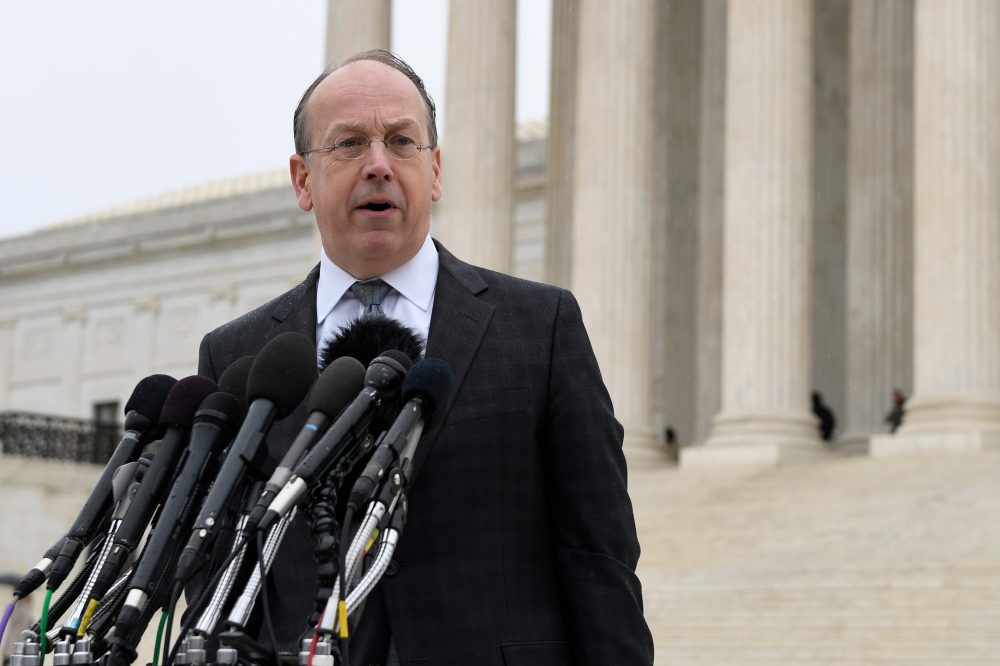
Paul Clement, representing the legal firms, argued that Trump inappropriately retaliated against the companies due to their connections with clients and lawyers who “raised the president’s ire.”
“The executive orders here strike at the heart of the First Amendment and the ability of lawyers to zealously represent their clients,” he said. “Lawyers cannot zealously represent their clients while walking on eggshells for fear of reprisals.”
Deputy Associate Attorney General Abhishek Kambli countered that lower court judges acted too hastily and exceeded their jurisdiction because they “clearly didn’t like the content” of Trump’s executive orders.
“President Trump is not beneath the law,” Kambli said. “He is entitled to the benefit of the Supreme Court and this court’s precedent on his authority to decide matters such as security clearance determinations and investigating anti-discrimination.”
Federal judges in Washington, D.C., have repeatedly determined that the White House cannot implement Trump’s executive orders targeting Perkins Coie, Jenner & Block, Susman Godfrey and WilmerHale. Trump imposed penalties on firms employing lawyers who had performed work opposing his agenda or who had connections to prosecutors investigating the Republican president.
The president’s orders called for revoking security clearances for lawyers at these firms, ending federal contracts and preventing staff from entering federal facilities. Additional major firms avoided similar orders by reaching preemptive agreements requiring them to provide hundreds of millions of dollars worth of pro bono legal work supporting Trump administration priorities.