
GENEVA (AP) — Lebanon’s government is calling on the Iran-backed militant organization Hezbollah to stay out of any potential conflict between the United States and Iran, according to statements made Tuesday by Lebanon’s foreign minister who expressed worries about renewed hostilities with Israel.
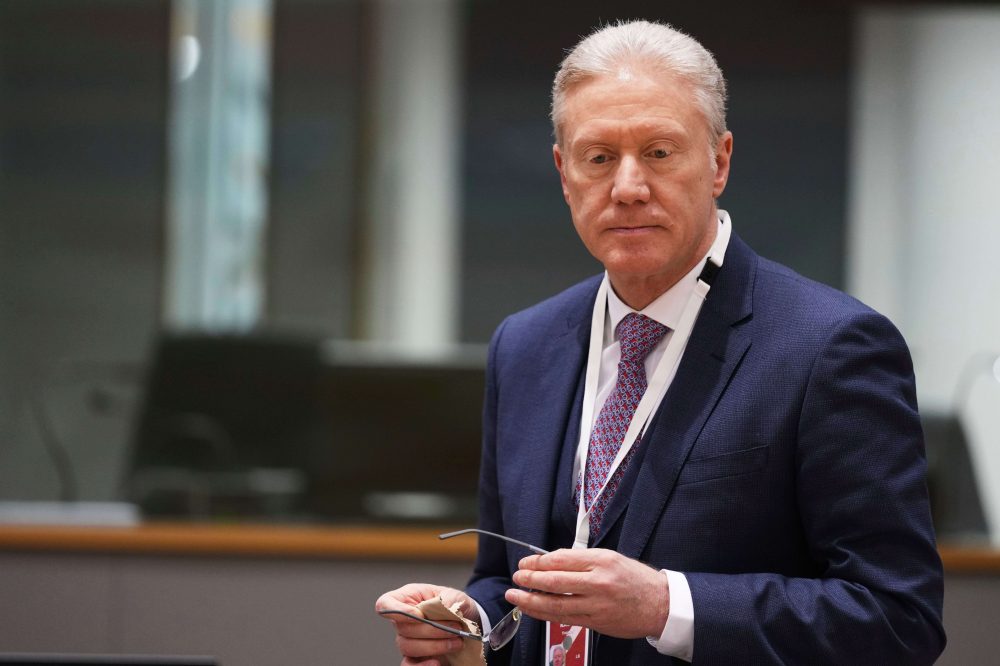
During a meeting with journalists in Geneva, Foreign Minister Youssef Rajji revealed that Lebanese leadership has been cautioned that if another war breaks out between Israel and Hezbollah, Israeli forces would target civilian infrastructure throughout Lebanon more aggressively than during past confrontations.
These concerns arise as speculation grows about possible new U.S. military action against Iran. On Thursday, Iran conducted yearly joint military exercises with Russia while a second American aircraft carrier moved toward the Middle East region.
Washington and Tehran have both indicated their readiness for military confrontation should diplomatic efforts regarding Iran’s nuclear activities collapse.
According to Rajji, Lebanese officials have requested that Hezbollah, which has engaged in multiple conflicts with Israel including most recently in 2024, refrain from any actions that might create “bad situations” for Lebanon’s civilian population.
“Lebanon has received signs that the Israelis could strike civilian infrastructure and maybe the airport” in Beirut, Rajji stated while attending a Human Rights Council meeting in Geneva.
The Beirut airport escaped damage and continued operating during the 2024 Israel-Hezbollah conflict, but Israeli forces did target the facility during their monthlong 2006 war. Previous battles between Israel and Hezbollah have resulted in numerous Lebanese civilian casualties, injuries, and displacement.
One day following Hamas’s October 7, 2023 assault on southern Israel that sparked the Gaza war, Hezbollah began firing rockets into Israeli territory. What started as limited skirmishes grew into full-scale warfare by September 2024, when Israel commenced bombing campaigns that eliminated most of Hezbollah’s senior leadership, then launched a ground offensive that significantly damaged the organization before a U.S.-mediated ceasefire theoretically ended hostilities.
Since the November 2024 truce agreement, Israel has maintained almost daily strikes within Lebanon, claiming these operations prevent Hezbollah from regrouping.
Rajji indicated Lebanon is also requesting Western allies to persuade Israel against targeting civilian infrastructure should Hezbollah attack Israel, a crucial U.S. partner, following any American strikes on Iran.
His remarks follow Monday’s State Department announcement ordering non-essential diplomatic staff and their families to depart the U.S. Embassy in Beirut as Iran-related tensions escalate with the possibility of immediate military action.
Rajji stated he was unaware of other nations implementing similar protective measures to those taken by the United States in Lebanon.
For decades, Lebanon has experienced multiple Iran-connected retaliatory attacks on American facilities, interests, and personnel due to Tehran’s backing of and control over Hezbollah. The organization has been blamed for the devastating 1983 Marine barracks bombing in Beirut and a 1984 embassy annex attack.