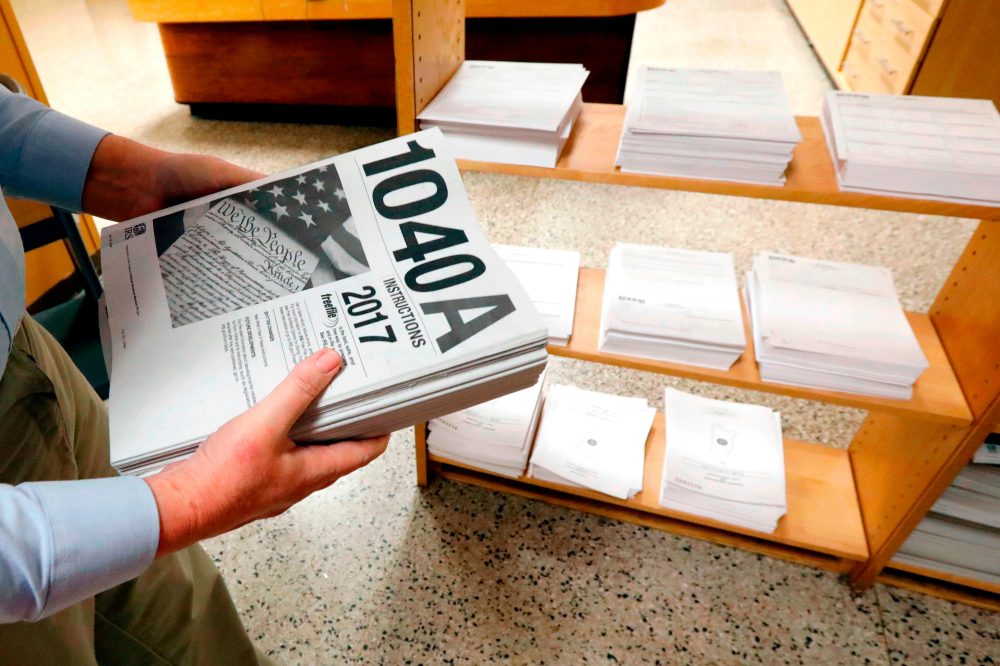

Wednesday represents the official Tax Day deadline across the United States, but those who have delayed filing their 2025 returns shouldn’t worry just yet. There’s still opportunity to complete the process today.
For taxpayers concerned about meeting today’s cutoff, requesting an extension remains an option that extends the filing deadline to October 15th.
Here’s essential information about Wednesday’s cutoff date and helpful guidance to consider.
Typically, all tax filers should have these items ready:
— Social Security number
— W-2 documentation for employed individuals
— 1099-G paperwork for those receiving unemployment benefits
— 1099 documentation for self-employed workers
— Records from savings accounts and investments
— Knowledge of qualifying deductions like educational costs, medical expenses, or charitable contributions
— Understanding of applicable tax credits, including child tax credits or retirement contribution credits
For comprehensive documentation requirements, taxpayers can visit the IRS website.
Tax experts advise collecting all paperwork in a single location before beginning your return, along with keeping previous year documents if your finances have significantly changed. Professionals also recommend establishing an identity protection PIN through the IRS to prevent identity theft. After creating this number, the IRS will mandate it for filing your return.
Should time run short for completing your tax filing, you can request additional time through your chosen tax software, the IRS Free File system, or postal mail.
Remember that extensions apply only to filing deadlines, not tax payment obligations. Those owing taxes should submit estimated payments before the deadline to prevent penalties and interest charges. Taxpayers expecting refunds will receive their money after filing.
Wednesday’s deadline applies to extension requests, providing until October 15th for filing.
The IRS explains that certain taxpayers, including military personnel and those living or working internationally, receive automatic two-month extensions until June 15th. However, payment obligations typically remain due April 15th.
Many taxpayers worry about IRS complications from filing errors. To prevent frequent mistakes:
— Verify your name matches your Social Security card
You should ensure your tax return name corresponds with your Social Security card information. Individuals who changed surnames after marriage, for instance, must use their former name if Social Security Administration updates haven’t been processed yet to prevent delays, according to the IRS.
When employers provide W-2 forms with names that don’t match your Social Security card, the IRS recommends contacting your employer for corrections.
— Look for tax documents if you’ve eliminated paper mail
Although many crucial tax forms still arrive via physical mail, people increasingly choose electronic delivery options. If documents aren’t appearing in your mailbox, review your digital accounts.
“If you didn’t get anything in the mail doesn’t mean that there isn’t an information document out there that you need to be aware of and report accordingly,” Tom O’Saben, director of tax content and government relations at the National Association of Tax Professionals, previously told The Associated Press.
— Include all income sources
Multiple job holders during 2025 need W-2 forms from each employer.
Individuals earning $89,000 or less last year can access IRS Free File for complimentary guided tax preparation with automatic calculations. The IRS also provides an interactive assistance tool for questions during form completion.
Besides TurboTax and H&R Block, taxpayers can employ licensed professionals like certified public accountants. The IRS maintains a national directory of tax preparation specialists.
The IRS supports two free assistance programs: Volunteer Income Tax Assistance (VITA) and Tax Counseling for the Elderly (TCE). VITA serves people earning $69,000 or less annually, individuals with disabilities, and those with limited English proficiency. TCE assists people aged 60 and older. The IRS website helps locate organizations hosting VITA and TCE services.
For tax-related problems, clinics nationwide can help resolve these matters. These tax clinics typically provide services in additional languages including Spanish, Chinese, and Vietnamese.