
NAIROBI, Kenya — Police in Kenya deployed roadblocks Thursday to restrict entry into the capital city of Nairobi, taking action ahead of planned demonstrations that mark two years since at least 60 people lost their lives during anti-government protests — an event that also saw demonstrators breach the parliament building.
Relatives of those who died during the 2024 unrest announced they would take to the streets to protest what they describe as an unacceptably slow pursuit of justice for victims. Critics have also accused the government of operating without transparency in its ongoing effort to compensate individuals whose human rights were violated during the demonstrations.
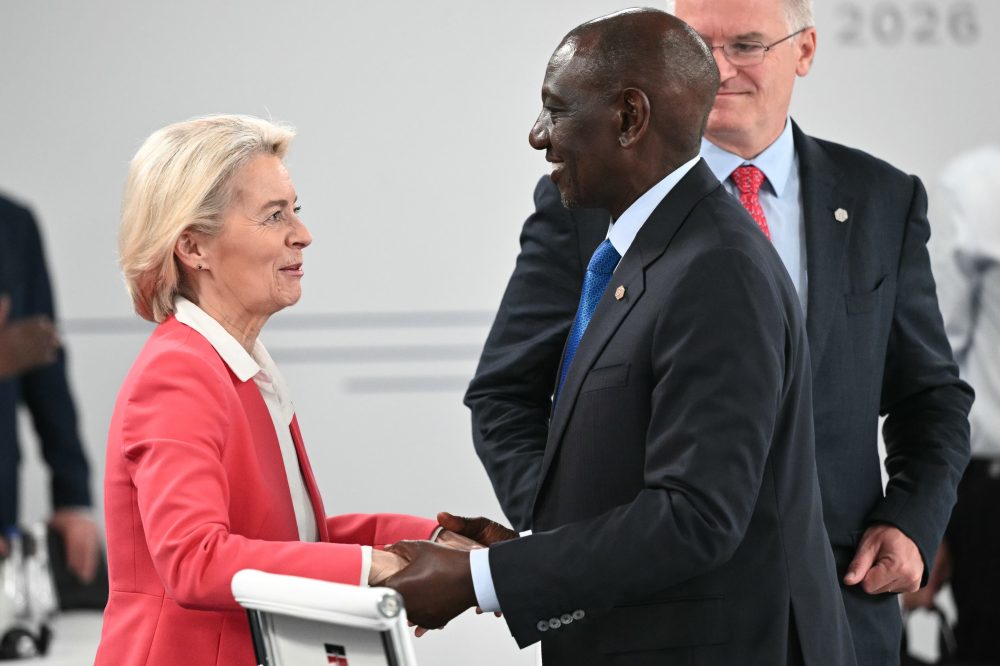
Last week, President William Ruto said citizens would be permitted to protest, but emphasized that the government would also defend the rights of children to attend school and workers to carry out their jobs. He issued a warning against any efforts by demonstrators to bring the country to a halt.
Interior Minister Kipchumba Murkomen announced Wednesday that law enforcement would accompany protesters along their route, but cautioned that criminals using the protest as cover would not be permitted to infiltrate and target businesses.
By Thursday morning, officers had established checkpoints on all major roads leading into Nairobi, turning away drivers attempting to enter the city. The parliament complex remained sealed off with barriers, and many businesses kept their doors shut.
Opposition figures voiced their support for the demonstrations, joining calls for the government to be more open about how its compensation program is being administered.
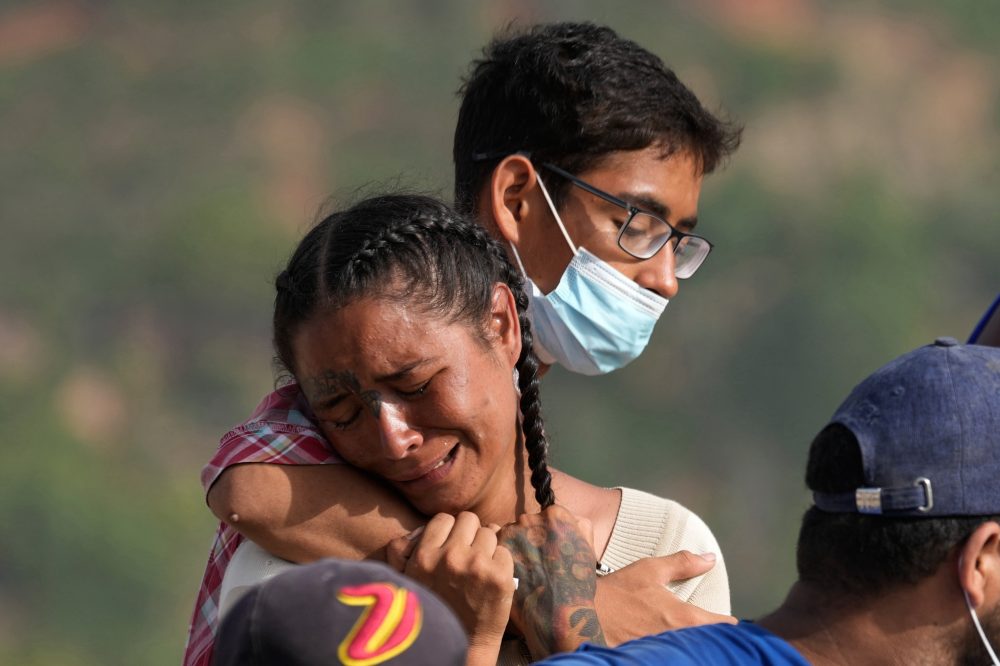
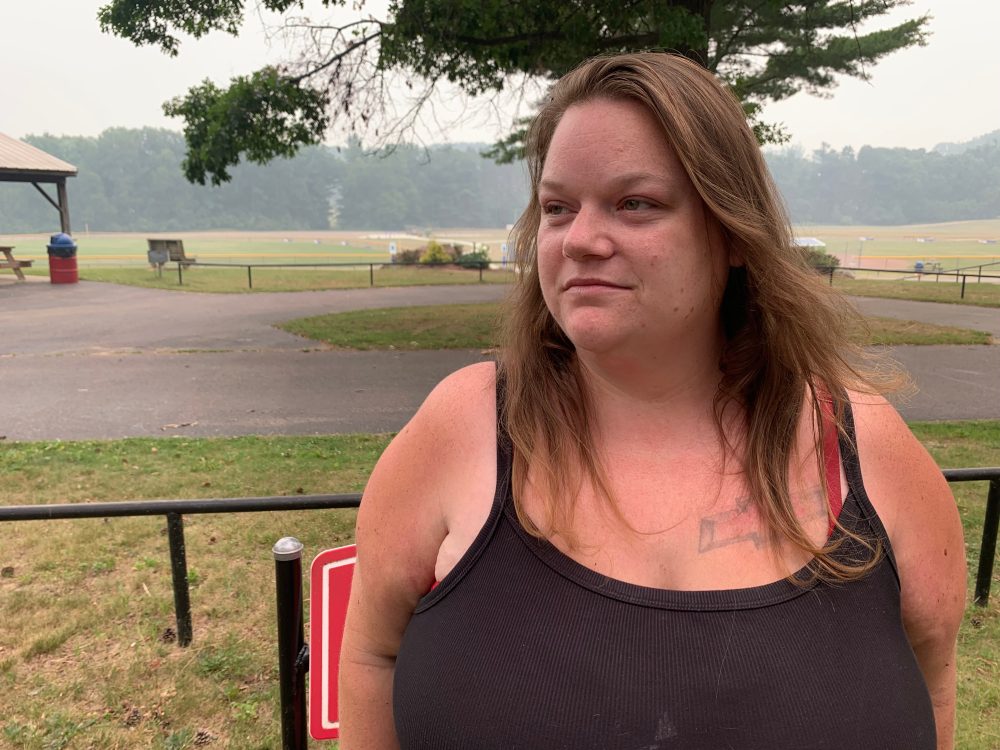
For Edith Wanjiku, the past two years have been marked by grief and hardship following the death of her son, Ibrahim Kamau, who was 19 years old when he was shot twice in the neck. “We’ve really suffered emotionally for the last two years,” she shared with The Associated Press.
Wanjiku said that despite submitting all required documentation to the Kenya Human Rights Commission, her family has yet to receive anything from the compensation program. “Only two out of 10 families whose children were shot that day near Parliament have been compensated and we are wondering what criteria the government is using,” she said.
The protests that erupted in June 2024 were driven largely by young Kenyans who flooded the parliament building, pressing lawmakers to reject a finance bill that proposed raising taxes at a time when the cost of living was already placing a heavy burden on citizens. Police responded by firing on the crowd outside the building, killing dozens.
President Ruto addressed the compensation issue last week, stating that the payments represent “a state acknowledgment that harm occurred” rather than an “admission” of wrongdoing. He also clarified that the compensation was not meant to serve as the “price of life, of pain or of loss,” and should not be interpreted as a “reward for violence or criminality” in a nation where violent protests occur with some regularity.