
LOS ANGELES — Legal teams on both sides are considering their options after a jury announced Thursday that it was unable to reach a unanimous decision in the federal trial of the man accused of starting the deadly 2025 Palisades Fire in Los Angeles.
The announcement came as a shock — less than 30 minutes after the jury had signaled it had reached a verdict. After just two days of deliberation, jurors in the case against 29-year-old Jonathan Rinderknecht said they were hopelessly divided on all three federal charges against him. Judge Anne Hwang ordered them to return to court Friday morning.
A note from the jury, read aloud by Judge Hwang, described the impasse in stark terms: “We have people on both sides that are dead set, unwavering and unwilling to change their opinion. We are at a standstill. We are unsure how to proceed.”
Rinderknecht has pleaded not guilty to charges of arson, malicious destruction by means of fire, and timber set aflame — crimes connected to what grew into one of the most catastrophic wildfires in California’s history.
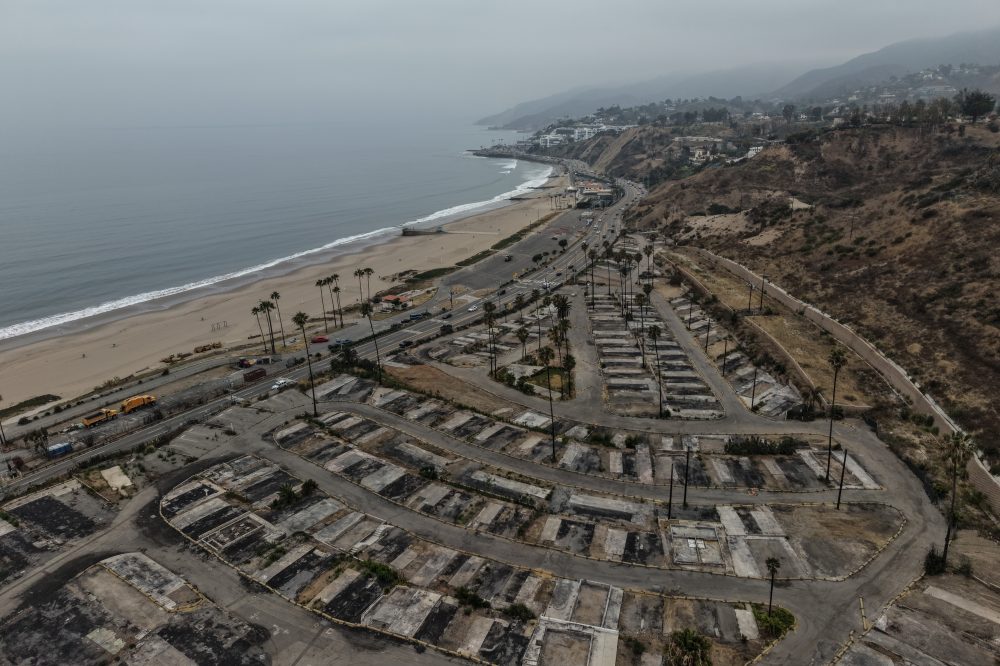
According to prosecutors, Rinderknecht started a fire on January 1, 2025, which smoldered undetected in root systems underground before reigniting a week later. The Palisades Fire officially broke out on January 7 and tore through the hillside communities of Pacific Palisades and Malibu, claiming 12 lives.
The trial began June 8 and included extensive testimony from investigators, expert witnesses, and residents from the surrounding areas. While prosecutors lacked direct evidence tying Rinderknecht to the initial fire, they placed him at the scene and presented evidence showing he was behaving in an angry and erratic manner that evening. They suggested his alleged motive stemmed from resentment toward wealthy and powerful individuals. The defense countered that fireworks were the more probable cause of the blaze.
Judge Hwang sent a note to jurors asking whether additional court instructions or a re-reading of testimony might help move deliberations forward. The jury declined. When asked whether the deadlock applied to all three charges, jurors confirmed it did.
Prosecutors proposed that the judge offer further argument to help jurors continue deliberating, but Rinderknecht’s legal team objected. Prosecutors also raised the possibility of an Allen charge — a stronger form of jury instruction designed to encourage a deadlocked jury to keep trying to reach agreement. Courts typically exhaust multiple options before declaring a mistrial.
Both legal teams requested that the jury be brought back Friday to allow more time to prepare their respective strategies.
Throughout the proceedings, Rinderknecht’s father sat in the courtroom and put his head in his hands when the deadlock was announced. His brother and sister were also present in court.
His attorney, Steve Haney, described his client’s emotional state during the tense proceedings. “You can imagine his life’s on the line. … It’s been a long run for him,” Haney said. “He’s been locked up for 10 months.” Haney said Rinderknecht was experiencing “a lot of anxiety” as he listened to the events unfold.