
Japan’s central bank is anticipated to increase interest rates this month unless severe escalation of Middle East conflicts disrupts financial markets, according to three sources who spoke on condition of anonymity because they lack authorization to comment publicly.
The sources indicate that rising energy costs from regional tensions are contributing to growing inflation pressures throughout Japan’s economy. Central bank officials plan to monitor Middle East developments and their economic impact right up until their final decision.
Financial markets are currently anticipating approximately an 80% probability that the central bank will increase its short-term policy rate from 0.75% to 1% during the two-day policy meeting concluding June 16. Such an increase would push the policy rate to heights not witnessed since 1995.
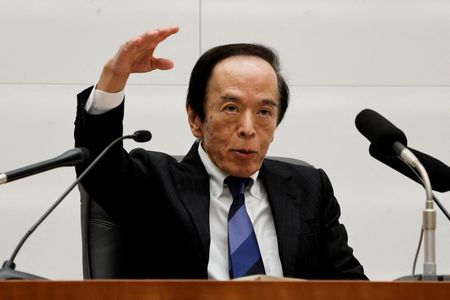
Bank of Japan Governor Kazuo Ueda nearly guaranteed a June rate increase during Wednesday remarks, signaling a clear shift toward combating inflation and suggesting more regular increases in borrowing costs ahead.
“Unless there’s a severe escalation in the conflict, the BOJ will probably hike rates in June,” stated one source knowledgeable about the bank’s deliberations, with two additional sources expressing similar views.
These comments follow a series of recent signals from the central bank that have increased expectations for a June rate adjustment, as worries about inflation risks from the Iran war drove bond yields to nearly 30-year peaks last month.
Following that development, central bank board members Kazuyuki Masu and Junko Koeda have issued warnings about increasing price pressures, suggesting they might align with three other officials favoring a rate increase as early as June.
A surge in wholesale inflation has concerned policymakers regarding how quickly businesses are transferring costs to consumers, which analysts believe will drive consumer inflation beyond the central bank’s 2% objective.
The Bank of Japan ended its decade-long massive stimulus program in 2024 and has implemented several policy rate increases, including one in December, based on expectations that Japan was approaching sustainable achievement of its inflation goal.
Escalating energy expenses from Middle East conflicts have created challenges for central bank rate decisions, driving up prices while simultaneously harming an economy that depends heavily on fuel imports.