
Business representatives on Japan’s primary economic advisory committee issued a warning Monday to the nation’s central bank about potential financial pressures on smaller businesses as Middle East conflicts continue.
The recommendations were presented to the Council on Economic and Fiscal Policy, which guides Japan’s budget planning and long-term economic strategy. The advisory effectively asks for careful consideration before implementing policy changes, even as the Bank of Japan has indicated possible interest rate increases to address inflation concerns related to ongoing conflicts.
Four private sector representatives released a joint statement saying: “We expect the BOJ to conduct appropriate monetary policy while closely monitoring price developments, including inflation expectations, and taking into account trends in supply and demand for funds across financial markets.”
Although current data shows no immediate financing difficulties for small and medium enterprises, the panel expressed worry that elevated energy prices and supply chain disruptions might create greater capital requirements for these businesses.
Companies are already taking defensive measures against potential supply disruptions. Bank of Japan statistics reveal that commitment line agreements, which provide companies with predetermined borrowing capacity from banks, jumped by 2.5 trillion yen (approximately $16 billion) in March. This represents the steepest monthly climb since May 2020 during the coronavirus outbreak.
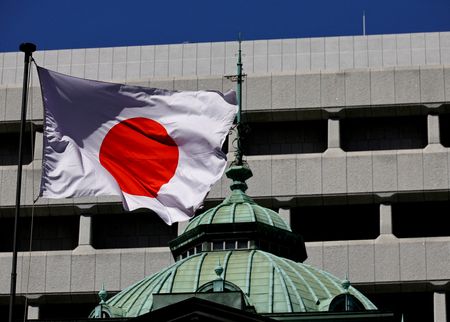
Japan’s central bank maintained current interest rates during its recent meeting but sent strong indications about a possible rate adjustment as early as June. This consideration stems from growing worries that rising energy expenses could accelerate inflation beyond manageable levels.
Financial experts suggest the gradual approach to rate increases contributes to the yen’s ongoing decline, creating policy challenges for government officials as it drives up import costs for everything from petroleum to food products.
However, increased interest rates would also mean higher debt payments, particularly affecting smaller businesses that depend more heavily on bank financing and typically maintain smaller cash reserves.
The four business representatives, including two individuals considered supportive allies of Prime Minister Sanae Takaichi’s economic policies, emphasized the need for strong cooperation between the central bank and government officials.
Additionally, the panel suggested the government should evaluate fiscal health using multiple measurements instead of depending solely on one indicator, shifting away from Japan’s traditional emphasis on primary balance as the primary fiscal responsibility metric.