
WASHINGTON — The U.S. House of Representatives struck down a proposal Wednesday that would have ended American aid to Israel, even as nearly half of all Democrats voted in favor of cutting off the funding — a sign of how sharply opinions within the party have shifted over Israel’s ongoing military operations in Gaza.
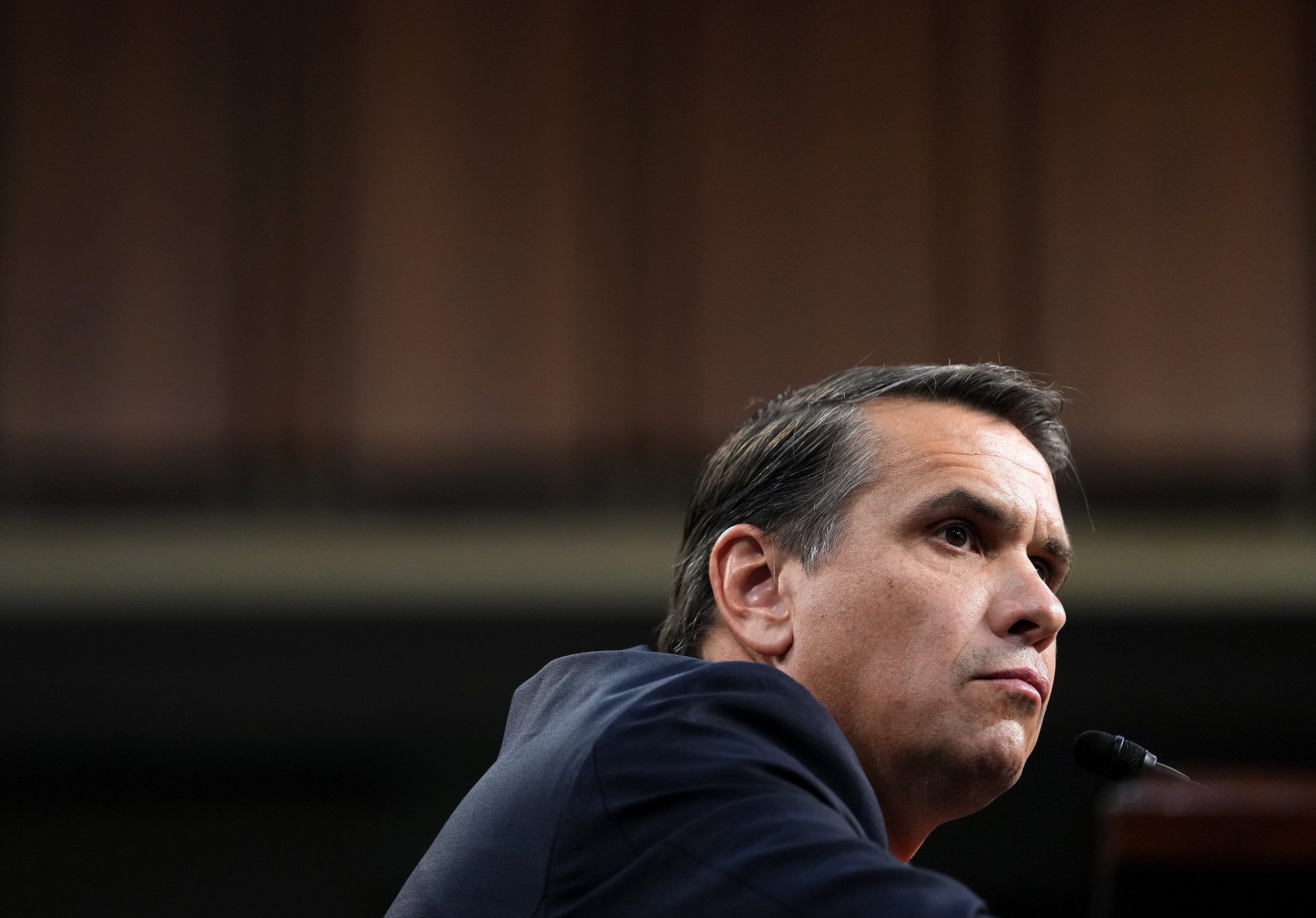
The final tally was 314 against and 104 in favor of the amendment, which was attached to a State Department spending bill. The measure was introduced by Republican Representative Thomas Massie of Kentucky.
Despite the lopsided defeat, 103 Democrats and one Republican voted in support — a striking contrast to past years when legislation backing Israel sailed through Congress with near-unanimous support. Progressive Democrats have been pushing to end U.S. aid to Israel altogether, while more moderate members of the party favor limiting any assistance to defensive weapons only.
Massie, known for opposing all foreign aid on fiscal grounds, said he was also motivated by the human cost of Israel’s military campaign. “There have been 70,000 casualties in Gaza and I don’t think we should be part of that,” he told colleagues during floor debate.
His amendment would have prohibited any money in the spending bill from going to Israel and would have blocked the $3.3 billion in annual security assistance the United States currently provides to the country.
According to Israeli figures, Hamas-led fighters killed 1,200 people during a cross-border assault on October 7, 2023. The Gaza health ministry has reported that Israel’s military response has since killed more than 73,000 Palestinians in the territory.
Large portions of Gaza have been reduced to rubble. Almost all of the enclave’s roughly 2 million residents — most of whom have been displaced multiple times — are now crowded into a narrow coastal strip, living primarily in makeshift shelters or heavily damaged structures.
Even if the House had approved the amendment, it would have been largely a symbolic gesture. For it to take effect, it would also have needed to clear the Senate and survive what would almost certainly have been a veto from President Donald Trump, who has made strong support for Israel a cornerstone of his foreign policy.
U.S. military assistance to Israel, along with campaign donations flowing from pro-Israel groups to political candidates, has become a flashpoint within the Democratic Party this year.
The level of political criticism now directed at Israel represents a significant departure from recent history. Massie’s amendment targeted annual funding tied to a 2016 Memorandum of Understanding with Israel that remains in effect through 2028. Back in September 2016, the House voted 405 to 4 in support of a resolution backing that same agreement.
Some candidates have won surprising primary victories by running on progressive platforms that include opposition to Israel’s actions in Gaza — and in some cases, challenging the country’s very right to exist.
The issue has also created visible fault lines among Democratic leaders. Representative Hakeem Jeffries of New York, the top Democrat in the House, said Tuesday he would vote against the Massie amendment, calling it “too broad.”
But the second-ranking House Democrat, Representative Katherine Clark of Massachusetts, announced Wednesday she would vote for it. “We should not provide a blank check for military aid to any country that does not comply with U.S. law, interests, and values,” she said in a written statement.
Last month, influential Representative Adriano Espaillat was defeated in a New York Democratic primary by Darializa Avila Chevalier, a member of the Democratic Socialists of America. She received support from New York City Mayor Zohran Mamdani, who also identifies as a democratic socialist.
The Democratic Party’s relationship with Israel will face another test on August 4, when Michigan voters head to the polls to choose candidates for U.S. Senate, the U.S. House, and governor, with U.S.-Israel relations expected to be a central issue in those races.