
Israeli military forces have elevated their state of readiness following intelligence assessments suggesting a potential confrontation with Iran could begin imminently, according to Wednesday reports from Israel’s state broadcaster Kan that cited high-ranking Israeli officials.
The heightened alert status comes as tensions continue to mount across the Middle East region, accompanied by a substantial increase in American military presence. Israeli leadership believes Washington may launch strikes against Iranian targets in the coming days, potentially developing into an extended military campaign spanning multiple weeks.
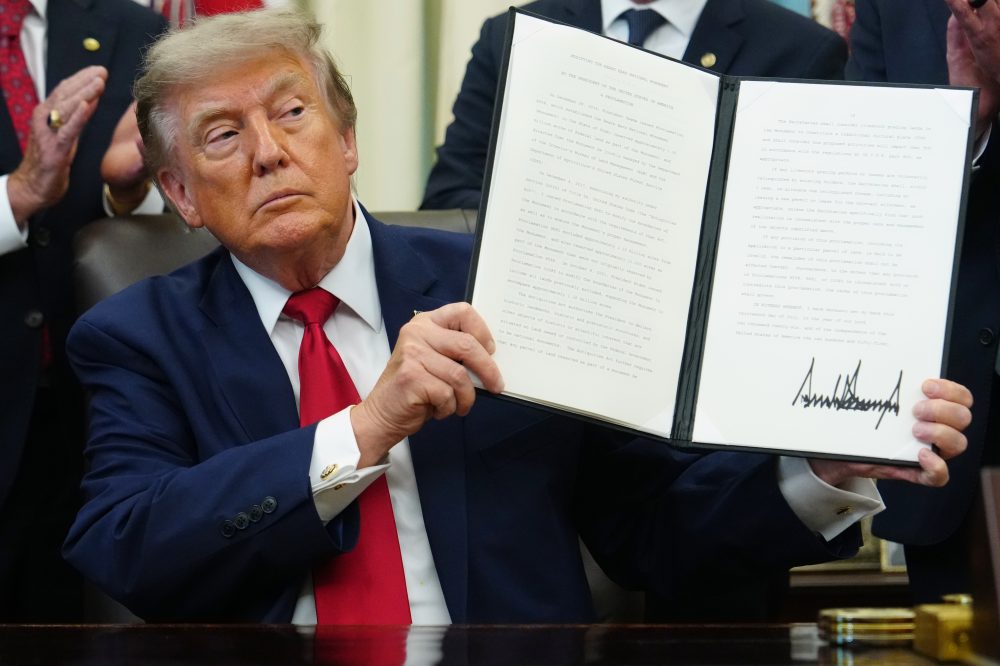
Sources speaking to Kan indicated that President Donald Trump appears increasingly inclined to approve major military action in the region, leading Israeli defense officials to prepare for hostilities that could commence “possibly within days.” Security agencies throughout Israel are operating under enhanced vigilance protocols.
During a recent parliamentary meeting, Boaz Bismuth, who leads the Knesset’s Foreign Affairs and Defense Committee, acknowledged the gravity of the situation. “We are facing challenging days in relation to Iran,” Bismuth stated. “The public is preparing, the authorities are preparing,” he added.
Israeli government officials confirmed that a previously scheduled security cabinet meeting has been moved from Thursday to Sunday due to the mounting tensions between Washington and Tehran, along with the expanded American military deployment throughout the region.
According to Axios reporting based on flight tracking data and U.S. official sources, the Trump administration sent a second aircraft carrier strike group to the Middle East last week. The news outlet documented that more than 50 military aircraft, including advanced F-35, F-22 and F-16 fighters, have been repositioned to the region within the past day.
The Wall Street Journal characterized the current American air power concentration as the most substantial Middle Eastern military buildup since the 2003 Iraq invasion. This deployment capability would support a far more extensive operation than the previous U.S. attack on Iranian nuclear installations during last June’s Israel-Iran conflict, which utilized B-2 stealth bombers.
Concurrently, Iran and the United States wrapped up their second session of indirect nuclear negotiations in Geneva this week. These diplomatic discussions took place at Oman’s embassy with mediation provided by Omani Foreign Minister Sayyid Badr bin Hamad Al Busaidi. The initial round of talks occurred in Muscat on February 6.
In a separate development, Polish Prime Minister Donald Tusk issued an urgent advisory for Polish nationals to immediately depart Iran, emphasizing that the threat of active military conflict is “very, very real.” Tusk warned that fighting could commence within “a few, a dozen or several dozen hours,” and stressed that evacuation opportunities may soon disappear entirely.
Earlier this year, both the U.S. State Department and the U.S. virtual embassy to Iran issued advisories recommending American citizens leave Iran as widespread protests and government crackdowns intensified throughout the country.