
The chief financial officer of Japan’s largest steelmaker says the company anticipates improved performance from its U.S. Steel operations without implementing workforce reductions, according to statements made this week.
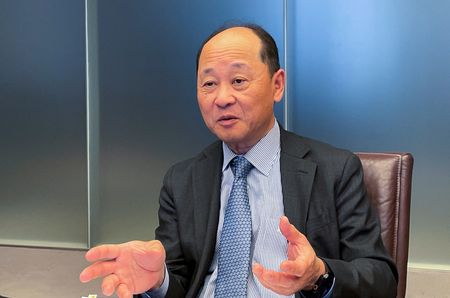
Takahiko Iwai, CFO of Nippon Steel, told reporters the company foresees U.S. Steel contributing to profits during fiscal 2026, a significant improvement from zero earnings projected for the current year. The turnaround is expected to come from rising steel prices and technology sharing between the companies.
Unlike capacity cuts Nippon Steel made in Japan during the early 2020s, similar measures won’t be necessary for the American operations due to expanding demand in the U.S. steel market, Iwai explained during the interview.
“U.S. Steel’s operation has been steadily improving through capital expenditure effects,” Iwai said, noting that approximately 100 Nippon Steel employees have been deployed to American facilities to implement proven methods and advanced technology.
The Japanese company finalized its $15 billion purchase of U.S. Steel in June following lengthy negotiations. However, Nippon Steel revised its earnings projection for the American business downward in November, dropping expectations from 80 billion yen ($515 million) to zero for the nine-month period ending March 2026.
Iwai attributed the disappointing forecast to challenging market conditions, customers delaying purchases due to U.S. tariff policies, and shipping delays caused by severe winter weather.
Looking ahead, facility upgrades are expected to boost next year’s financial results. The CFO highlighted that the Big River 2 plant is now operating near maximum capacity and will contribute for a complete fiscal year after beginning operations in late 2024.
The primary obstacle facing U.S. Steel is its expensive variable-cost framework, which resulted from insufficient investment over many years, Iwai noted. Nippon Steel aims to establish a system that can maintain steady profitability even when market conditions weaken.
The company plans to complete investment initiatives over four years to increase production of high-profit specialty products, which should “significantly improve quality and cost competitiveness,” according to Iwai.
He emphasized that the United States represents the world’s biggest market for premium steel grades and faces less competition from Chinese manufacturers compared to other regions.
Regarding financing, Iwai said 1.3 trillion yen of the 2 trillion yen bridge loan used for the acquisition must be refinanced by June, after excluding 700 billion yen already secured through subordinated loans and similar financial instruments. The company is evaluating multiple refinancing approaches.
When asked about reports that Nippon Steel might issue up to 500 billion yen in convertible bonds, Iwai declined to provide details.